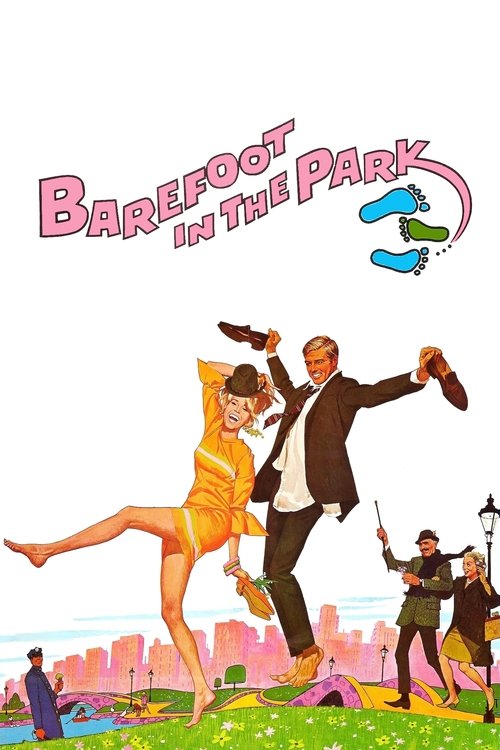
Barefoot in the Park
1967
No user ratings available yet
Representation score: 2.6 out of 10

Representation Score
Minimal
1969
PGDirector
Gene Saks
Runtime
103 minutes
Average Rating
No ratings yetNew Showbiz Analysis
Cactus Flower is a product of its time, adhering to traditional studio comedy conventions. It relies on mid-century narrative structures that prioritize romantic resolution over social or systemic exploration. While the film offers some subversions of gender roles through its plot devices, it lacks the multi-layered depth and racial diversity needed to transcend conventional narratives. Ultimately, the film presents a homogeneous depiction of its era, failing to incorporate the progressive critiques and diverse representations seen in more modern cinema.
Category Breakdown
The film focuses solely on heterosexual relationships and does not include any queer characters or non-traditional gender identities.
A key plot device involves a woman adopting a masculine appearance to navigate professional settings. This subverts traditional gender roles but primarily serves as a comedic tool for romantic tension.
The cast is predominantly white and Anglo-Saxon, reflecting the casting norms of the time. There is a noticeable lack of racial or ethnic diversity among the main characters.
The story follows a traditional romantic comedy format, focusing on personal relationships rather than critiquing societal institutions or traditions.
None of the main characters have visible or hidden disabilities. The film does not address neurodivergence or physical disabilities in its character development.
Present on Screen
Limited or Absent
Official Synopsis
A dentist pretends to be married to avoid commitment, but when he falls for his girlfriend and proposes, he must recruit his lovelorn nurse to pose as his wife.
1967
1964
1964
1942
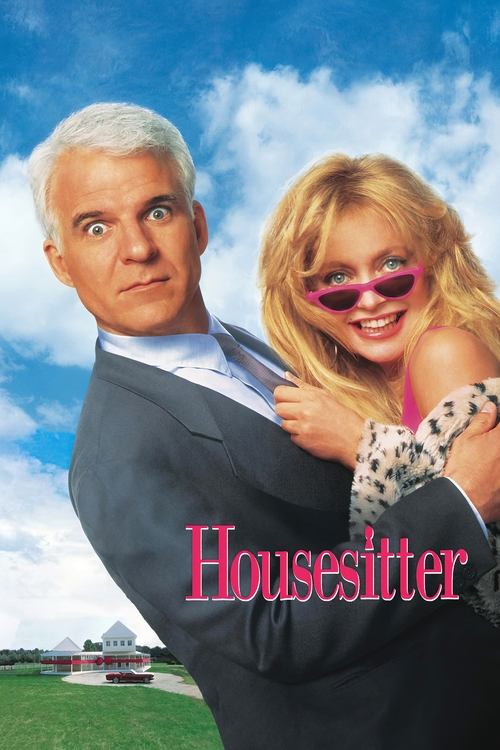
1992
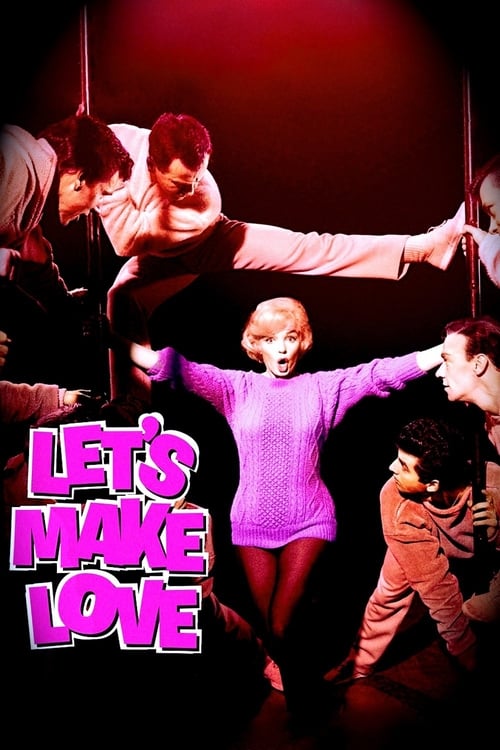
1960
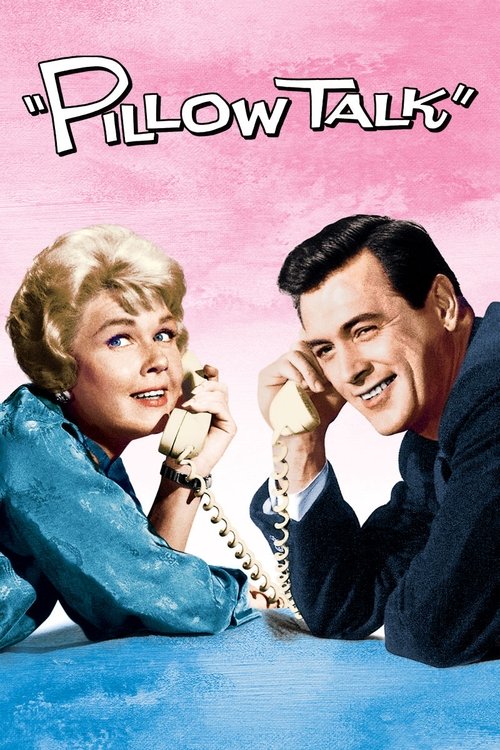
1959
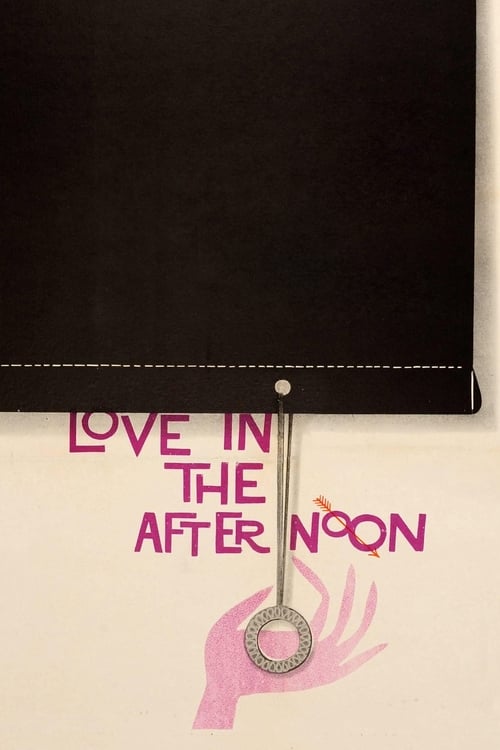
1957
No reviews yet. Be the first to share your thoughts on this movie!
Use the rating form above to leave a star rating and optional review.