Love in the Afternoon
1957
No user ratings available yet
Representation score: 2.5 out of 10
Representation Score
Minimal
1964
NRDirector
Howard Hawks
Runtime
120 minutes
Average Rating
No ratings yetNew Showbiz Analysis
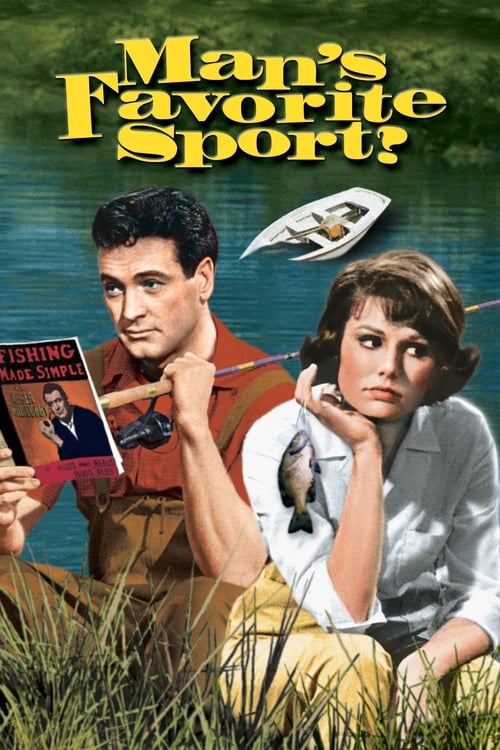
Howard Hawks' comedy is a quintessential product of the mid-20th-century studio system. It prioritizes traditional masculine camaraderie and conventional character archetypes over any form of social critique or disruption. The film functions as a narrow character study of masculinity and romantic reconciliation, adhering strictly to the social mores of 1964 and reinforcing established demographic norms.
Category Breakdown
The film follows a strictly heterosexual and cisgender structure, focusing entirely on a romantic pursuit between a man and a woman, with no presence of LGBTQ+ identities.
The story centers on male identity and professional masculinity. While Abigail Paige drives the plot forward, her role is framed through romantic persistence rather than challenging traditional gender roles.
The setting and casting reflect a homogeneous, predominantly white, middle-class environment. The film lacks diverse ethnic ensembles or actors from different racial backgrounds.
The narrative celebrates mid-century American leisure and traditional Western social orders. It operates within a conventional moral framework without challenging existing institutions or cultural norms.
There are no significant portrayals of physical or neurodivergent disabilities within the primary narrative arc.
Present on Screen
Limited or Absent
Official Synopsis
Roger Willoughby is a renowned fishing expert, who, unbeknownst to his friends, co-workers, or boss, has never cast a line in his life. One day, he crosses paths with Abigail Paige, a sweetly annoying girl who has just badgered his boss into signing Roger up for an annual fishing tournament.
1957

1942
1959
1932

1964

1960

1940

1958
No reviews yet. Be the first to share your thoughts on this movie!
Use the rating form above to leave a star rating and optional review.