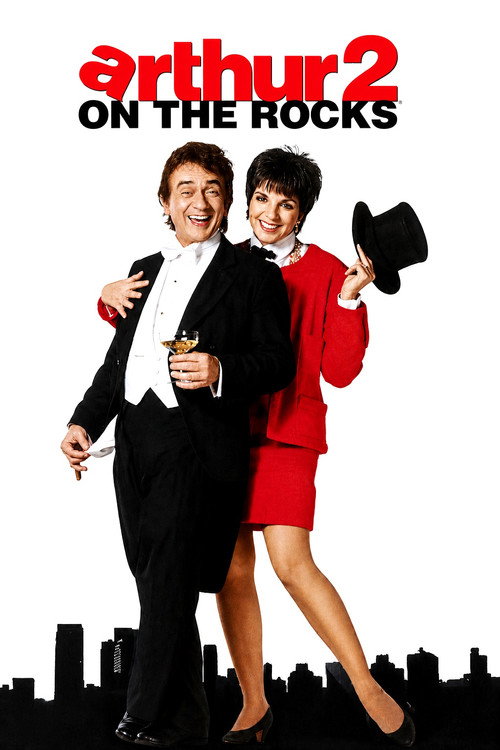
Arthur 2: On the Rocks
1988
No user ratings available yet
Representation score: 3.3 out of 10

Representation Score
Limited
1971
GDirector
Elaine May
Runtime
102 minutes
Average Rating
No ratings yetNew Showbiz Analysis
A New Leaf is a sophisticated political satire that prioritizes the deconstruction of social pretense over demographic representation. While it lacks diversity in terms of race, gender, and LGBTQ+ identities, it offers progressive value through its narrative structure. By portraying authority and political institutions as inherently compromised, the film challenges mid-century moral hierarchies. It replaces the 'heroic' archetype with a cynical, postmodern view of systemic corruption. Ultimately, the film's strength lies in its anti-establishment framework rather than its inclusive casting.
Category Breakdown
The story focuses on a traditional romance between the male protagonist and a female lead. There are no characters with non-binary genders or narratives exploring LGBTQ themes.
The plot is driven by a male-dominated scheme of manipulation. Although the female lead has significant influence, the film adheres to traditional gender power dynamics.
The setting appears predominantly homogeneous, reflecting the cinematic norms of 1971. The cast lacks notable racial or ethnic diversity within its local context.
The film excels at critiquing institutional integrity and deconstructing the heroic reformer cliché. It presents a world defined by moral relativism and systemic corruption rather than traditional hierarchies.
There are no characters with visible or invisible disabilities serving as central plot devices or subjects of representation.
Present on Screen
Limited or Absent
Official Synopsis
After running out of funds, Henry Graham, a carefree playboy, plots to marry and murder wealthy botanist Henrietta Lowell.
1988

1942

1960
1966

1961

1972

1969

1936
No reviews yet. Be the first to share your thoughts on this movie!
Use the rating form above to leave a star rating and optional review.