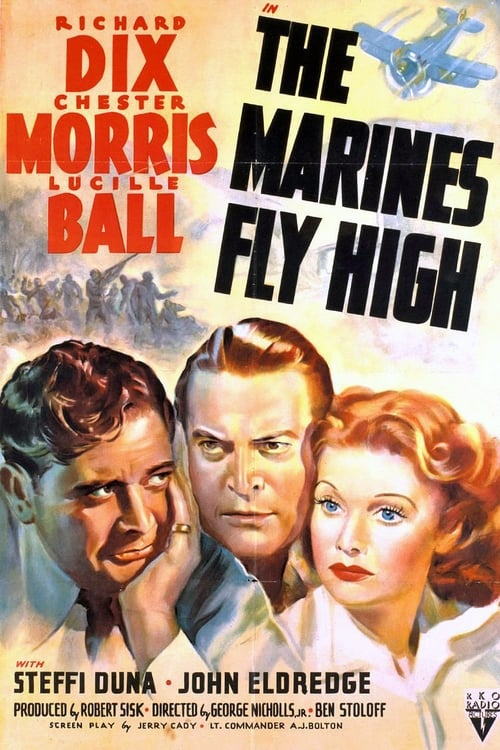
The Marines Fly High
1940
No user ratings available yet
Representation score: 0.3 out of 10
Representation Score
Minimal
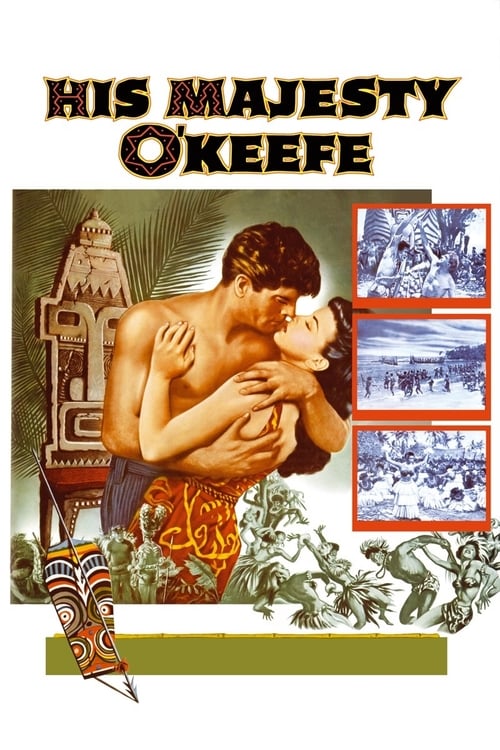
1954
NRDirector
Byron Haskin
Runtime
90 minutes
Average Rating
No ratings yetNew Showbiz Analysis
His Majesty O'Keefe is a typical mid-century adventure film that prioritizes traditional hierarchies. The film centers around the masculine ability to act of Burt Lancaster, presenting the South Seas through a colonial lens where a Westerner assumes command over local populations. While the setting includes a diverse cast of indigenous actors, the narrative structure upholds established social norms. The plot emphasizes Western conquest and capitalist themes without delving into nuanced cultural perspectives. Overall, the film serves as a standard genre piece of its time, providing spectacle without challenging the period's conventional views on gender, race, or colonial power dynamics.
Category Breakdown
The film adheres to the conventions of the 1950s, where there are no depictions of same-sex relationships or non-binary gender identities.
The story focuses on the masculine ability to act of the male lead, while female characters mainly serve as romantic catalysts rather than having their own goals.
The narrative follows a colonial-era framework where a Western protagonist leads over indigenous islanders. Non-white actors play supporting roles but are framed through a Western heroic perspective.
The film celebrates Western individualism in a foreign setting. It lacks criticism of colonial structures, focusing instead on the pursuit of coconut oil as a commodity.
Characters are portrayed through the lens of idealized physical capability. There is no focus on neurodivergence, physical disabilities, or chronic illnesses.
Present on Screen
Limited or Absent
Official Synopsis
Men steal for it. Nations go to war for it. The it is oil - and it grows on trees. Coconut oil is the precious lifeblood of 1870s South Seas traders. And lots of real blood will be spilled to get it! Screen royalty Burt Lancaster is His Majesty O'Keefe in this last of three adventures that (along with The Flame and the Arrow and The Crimson Pirate) blew a revitalizing wind into the sails of the swashbuckler genre. Action, cunning and derring-do are watchwords of the title seafarer as he befriends, defends and ultimately rules the islanders of exotic Yap. Lensed on gorgeus Fiji locations, grandly scored by Robert Farnon and rousingly directed by Byron Haskin, His Majesty O'Keefe delivers heroics of regal proportions.
1940
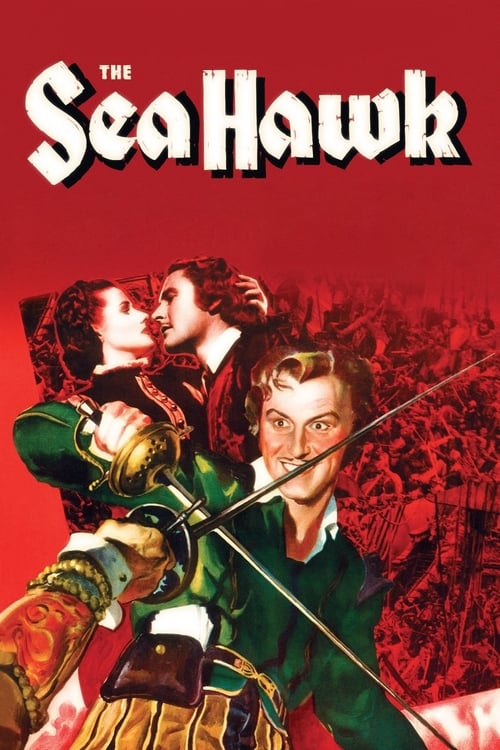
1940
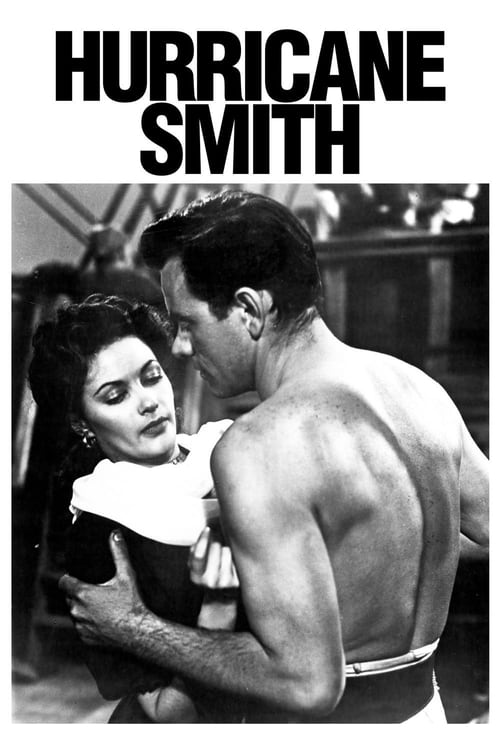
1952
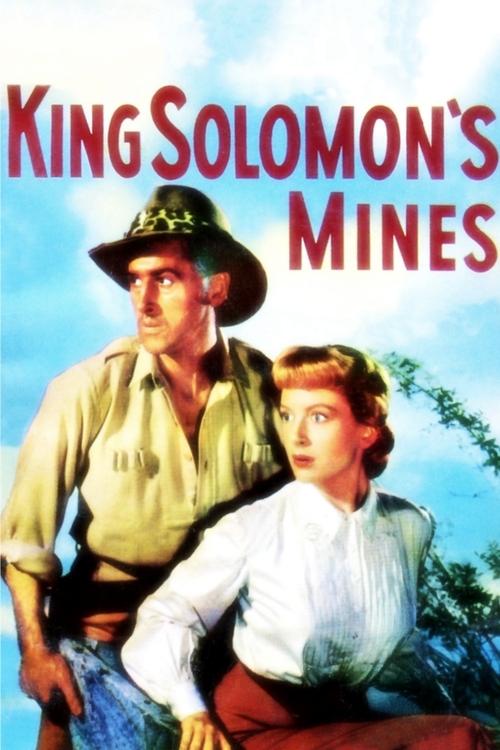
1950
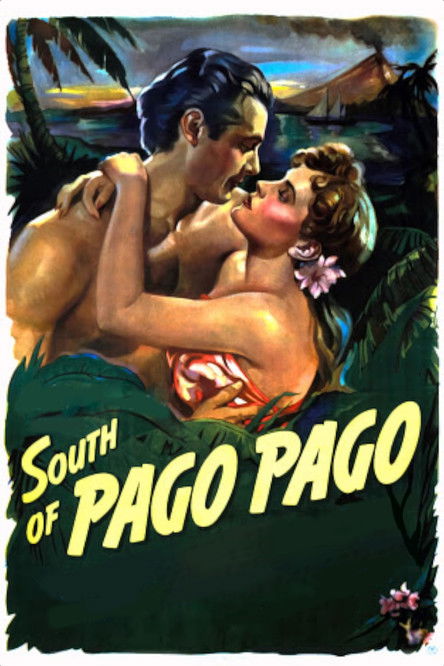
1940
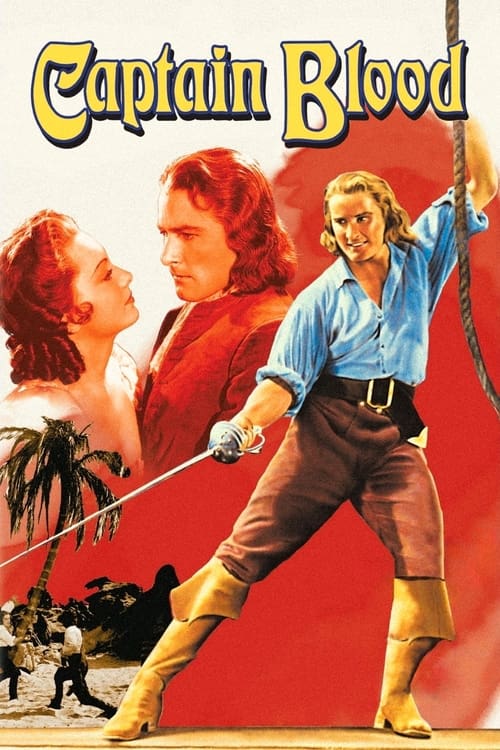
1935

1952
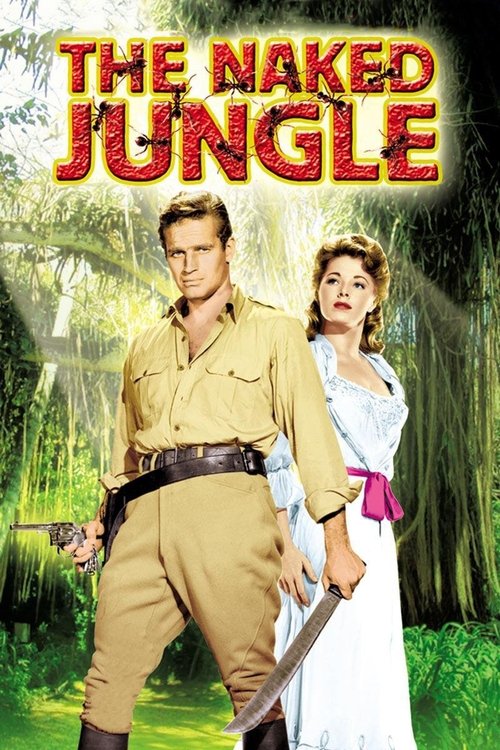
1954
No reviews yet. Be the first to share your thoughts on this movie!
Use the rating form above to leave a star rating and optional review.