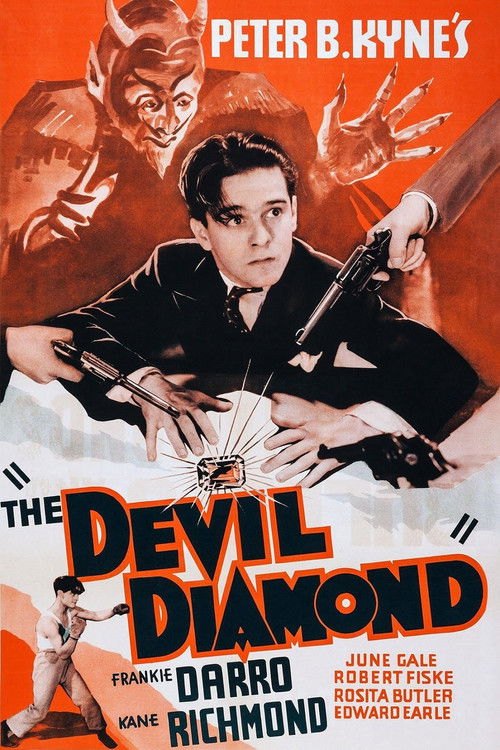
The Devil Diamond
1937
No user ratings available yet
Representation score: 0.9 out of 10
Representation Score
Minimal
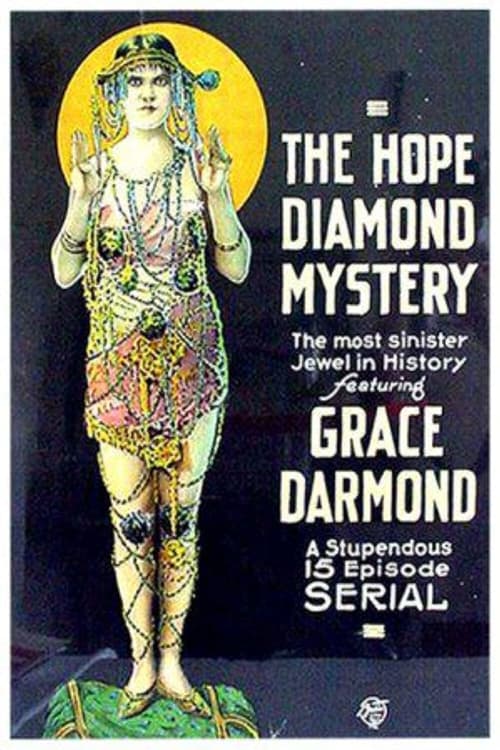
1921
PassedDirector
Stuart Paton
Runtime
300 minutes
Average Rating
No ratings yetNew Showbiz Analysis
The film operates as a traditional biographical adventure that upholds the social and moral frameworks of the early 1920s. It prioritizes the historical lineage of the Hope family over challenging societal norms. Narrative ability to act is heavily weighted towards the male protagonist, with female characters serving primarily as emotional anchors. The setting and subject matter suggest a homogeneous, Anglo-Saxon social hierarchy typical of the time. The film does not actively seek to disrupt traditional gender, racial, or cultural hierarchies, presenting a story deeply rooted in the period's established norms.
Category Breakdown
The film focuses on the heterosexual marriage between Lord Francis Hope and May Yohe. It lacks any evidence of queer narratives or non-assuming gender matches what was assigned at birth identities.
The film emphasizes the male character's role in driving the plot, while female characters such as May Yohe are defined by their reactions to the male protagonist’s actions.
The story centers around British aristocracy and American showgirls, indicating a predominantly Anglo-Saxon cast. There are no characters of color with significant roles.
The narrative explores Western themes of inheritance and class status, treating the diamond's curse as a cautionary tale about individual morality and fate.
There is no documented evidence of characters with visible or invisible disabilities in this production.
Present on Screen
Limited or Absent
Official Synopsis
The true story of Lord Francis Hope who inherits the Hope Diamond and marries showgirl May Yohe. Lord Francis Hope gambles away the family fortune and May Yohe leaves him. Another suspected curse of owning the Hope Diamond.
1937
1927
1952
1926
1953
1936
1928
1931
No reviews yet. Be the first to share your thoughts on this movie!
Use the rating form above to leave a star rating and optional review.