The House Without a Key
1926
No user ratings available yet
Diversity score: 3.6 out of 10
1936
ApprovedDirector
Ladislao Vajda
Runtime
63 minutes
Average Rating
No ratings yetSynopsis
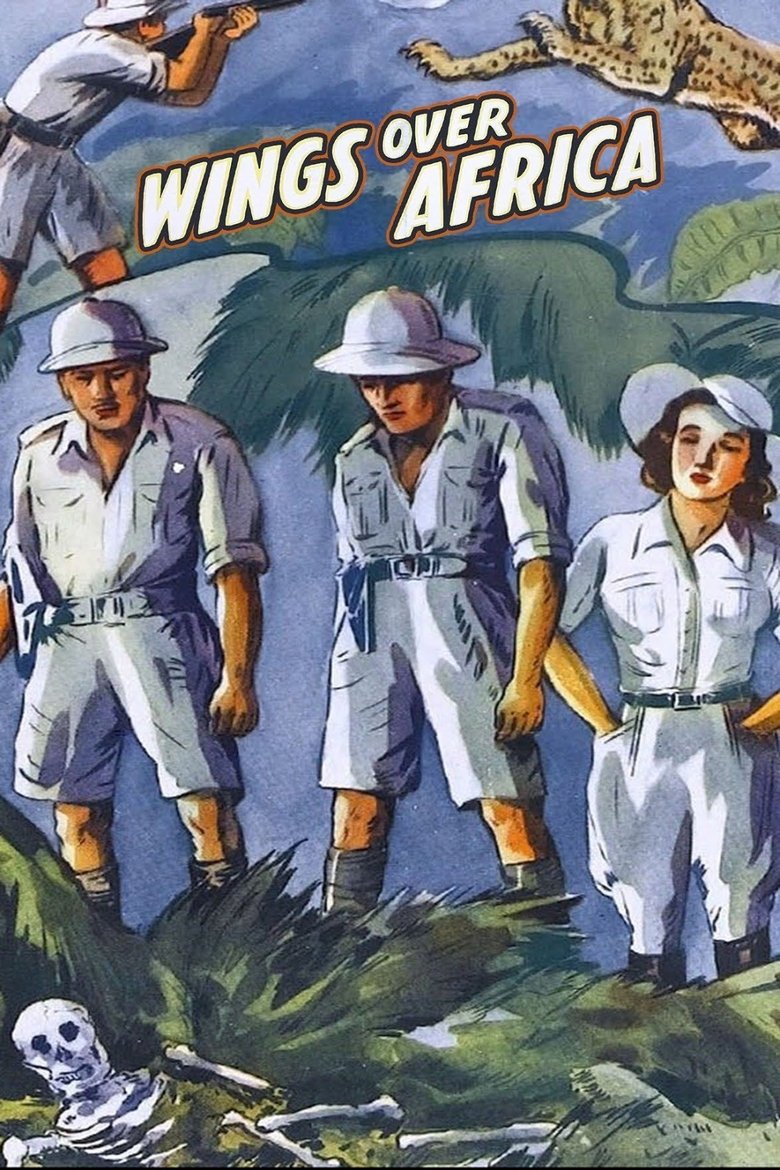
Two prospectors in Africa, Tony Cooper and Dalton come across a skeleton that has nearly been picked clean by vultures. They find a letter on the body addressed to a clerk in London named Wilkins . Cooper goes to Wilkins in London and tells him that his brother, whose body they had found, has left a map and a deed to a large diamond mine. Wilkins decides to go to Africa with Cooper to find the mine and, in order to speed up and finance their venture, they give a third interest to Carol Reade and her partner John Trevor), who operate a barnstorming airplane service. In Africa, close to the mine location, they are greeted by some tough gentlemen named Collins and Quincy who have terrorized the natives and lorded over the region, who quickly discover the reason for the party's mission. They join, unasked, in the race for the diamonds. The race is interrupted by the death of Trevor who is found knifed in his bunk.
Overall Score
Limited
Category Breakdown
LGBTQ+ Representation
The film follows a conventional romantic trajectory centered on heterosexual protagonists. There are no depictions of same-sex intimacy or non-cisnormative identities.
Gender Representation
Carol Reade displays professional agency as an aviation business partner. However, the plot remains driven by male characters within traditional gender hierarchies.
Racial & Ethnic Diversity
The narrative employs a colonialist framework where indigenous populations appear as passive subjects. The story centers on an Anglo-centric quest for diamonds.
Religious & Cultural Diversity
The plot reinforces Western colonial structures and capitalist pursuits of wealth. It normalizes Western dominance rather than critiquing colonial power dynamics.
Disability Representation
There is no mention of characters with visible or invisible disabilities in the narrative.
Strengths
Areas for Improvement
AI Analysis
Wings over Africa is a product of its 1936 era, functioning as a standard adventure-romance that adheres to established social hierarchies. The film centers its agency almost exclusively on white male protagonists, following a traditional capitalist adventure model. The narrative relies on colonialist tropes, positioning African indigenous populations as background elements to a Western quest for resources. This reinforces a worldview of Western dominance rather than offering a critique of colonial structures. While the film provides a rare instance of female professional agency through Carol Reade, it does not subvert the period's masculine-led genre conventions or offer meaningful intersectional representation.
No reviews yet. Be the first to share your thoughts on this movie!
Use the rating form above to leave a star rating and optional review.