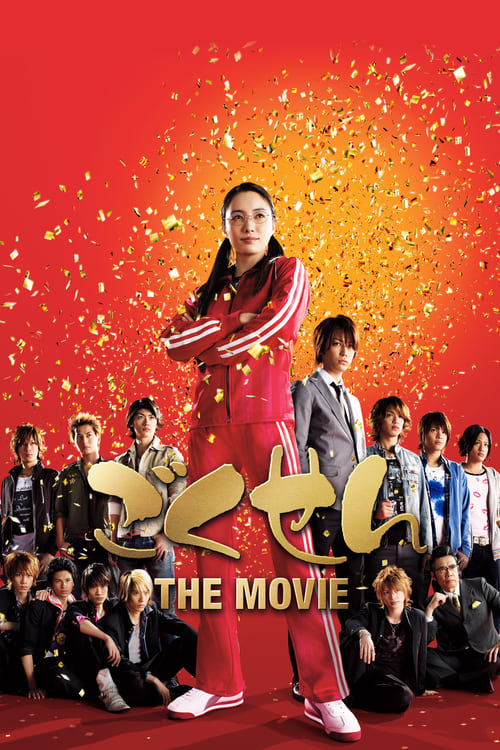
Gokusen: The Movie
2009
No user ratings available yet
Representation score: 5.1 out of 10

Representation Score
Fair
2013
Director
Kazuhisa Imai
Runtime
88 minutes
Average Rating
No ratings yetNew Showbiz Analysis
GTO: The Graduation Special serves as a character-driven drama that challenges rigid cultural expectations surrounding careerism. Its main strength lies in its skepticism towards the standardized pursuit of corporate success and institutional conformity. However, the film remains limited by a highly homogeneous cast and a lack of explicit LGBTQ+ or disability-centric narratives. The social landscape is largely traditional and lacks multi-layered depth. Ultimately, the work provides a subtle disruption of Japanese educational values rather than a broad overhaul of social identities.
Category Breakdown
The story focuses on heterosexual and cisgender relationships without including any central LGBTQ+ identities or narratives.
Female characters such as Fuyutsuki Azusa have important professional roles that contrast with the lead character. The series highlights Onizuka’s masculinity, but their partnership suggests a functional professional relationship.
The cast is predominantly made up of people from similar backgrounds, reflecting the demographics of a typical Japanese high school. The film does not emphasize multi-ethnic or racially diverse representation.
The film questions traditional societal milestones by criticizing the drive for prestigious universities and corporate loyalty. It suggests that personal fulfillment is more important than following established institutional paths.
There is no specific evidence of characters with visible or invisible disabilities playing central roles. The representation in this area is minimal and does not focus on neurodivergence.
Present on Screen
Limited or Absent
Official Synopsis
The national university entrance examination is coming up and the students of Class 3/4, which Onizuka Eikichi (AKIRA) is in charge of, enter exam mode. Onizuka who conducts career counselling for the students with assistant form teacher Fuyutsuki Azusa (Takimoto Miori), questions their mentality of aiming for a good university in order to get into a good company.
2009

2015
2012
2022
2013
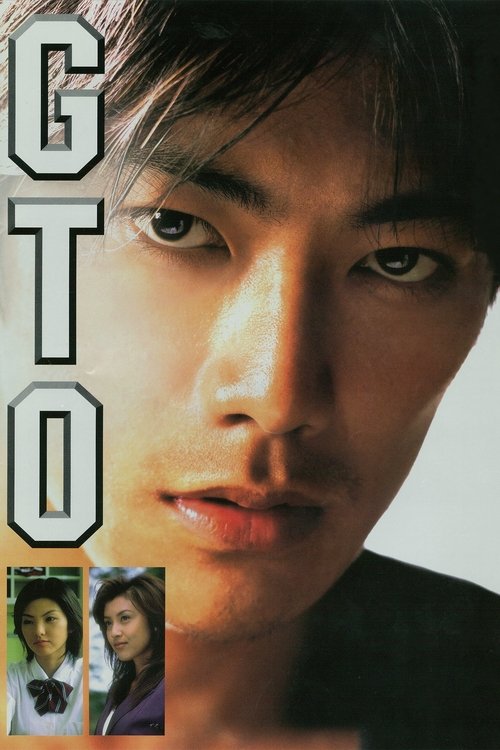
1999

2015
1993
No reviews yet. Be the first to share your thoughts on this movie!
Use the rating form above to leave a star rating and optional review.