
A Class to Remember II
1996
No user ratings available yet
Representation score: 6.5 out of 10

Representation Score
Fair
1993
Director
Yoji Yamada
Runtime
128 minutes
Average Rating
No ratings yetNew Showbiz Analysis
A Class to Remember is a historical drama that centers on the dignity of individuals during a time of societal collapse. It focuses on the struggles of underrepresented people rather than exploring modern identity frameworks. The film's lower scores are due to its period-accurate setting in 1940s Japan, which limits its representation of diverse identities. However, it offers a nuanced look at life on the fringes of Japanese society through a lens of social realism.
Category Breakdown
The film does not include any identifiable LGBTQ+ characters or stories that question the idea that everyone is straight or cisgender. Instead, it focuses on the economic and social challenges faced by adult students during a time of national crisis.
The movie emphasizes traditional gender roles and social norms from mid-20th century Japan. While it highlights personal resilience, it doesn't challenge the typical expectations of masculinity and traditional femininity.
The cast is mainly Japanese, providing an authentic portrayal of a specific demographic on the outskirts of society. It reflects the historical and cultural context of the setting.
The film examines the difficulties faced by individuals due to historical forces. It uses the setting of a night school to subtly criticize the shortcomings of mainstream institutions.
The film does not prominently feature characters with visible or invisible disabilities that drive the plot. Instead, it focuses on socioeconomic status and age-related exclusion.
Present on Screen
Limited or Absent
Official Synopsis
A cantankerous but loveable high school teacher teaches a night school in a poor neighborhood for adult students on the fringes of Japanese society.
1996

1936
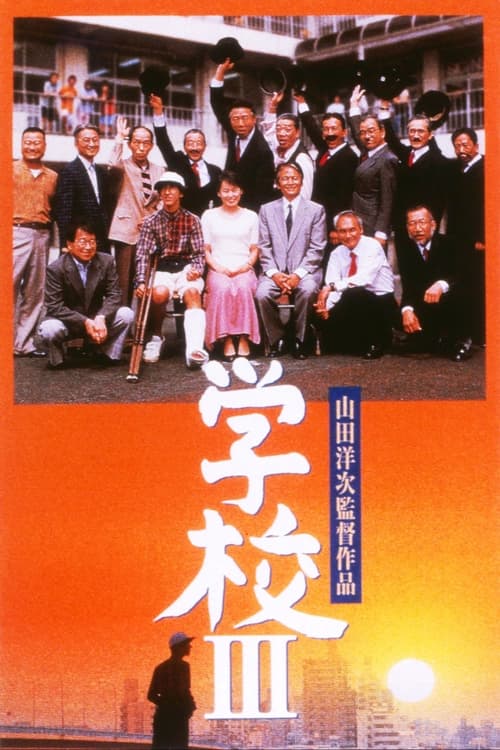
1998

1970

1988

2006
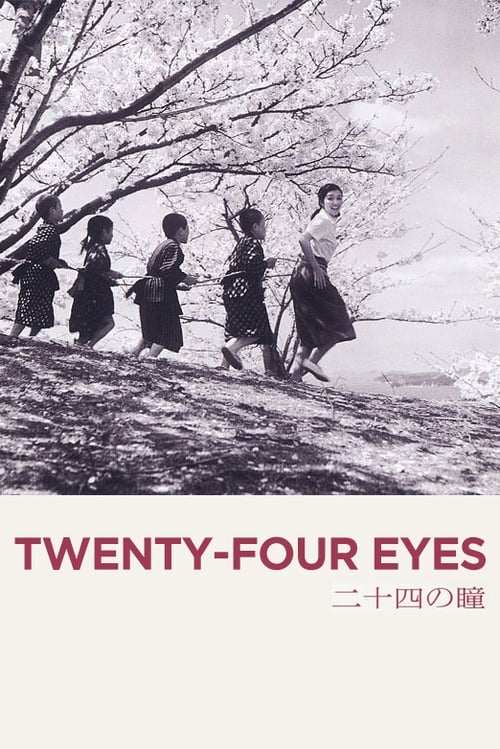
1954

1967
No reviews yet. Be the first to share your thoughts on this movie!
Use the rating form above to leave a star rating and optional review.