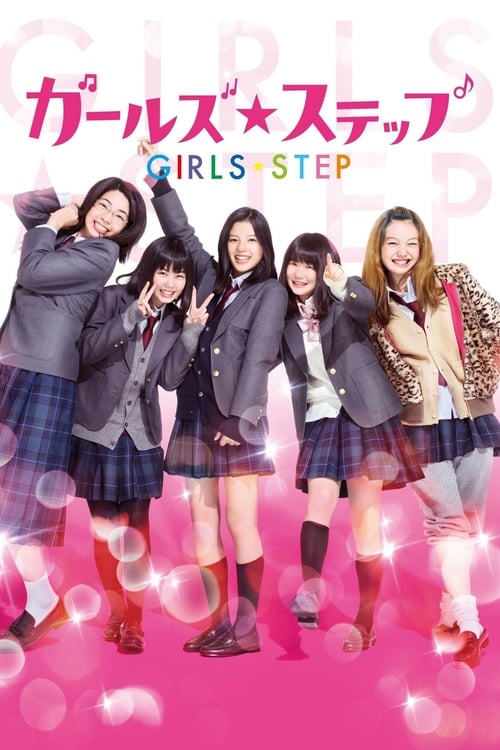
Girls Step
2015
No user ratings available yet
Representation score: 5.4 out of 10
Representation Score
Minimal
2015
Director
Nobuhiro Doi
Runtime
117 minutes
Average Rating
No ratings yetNew Showbiz Analysis
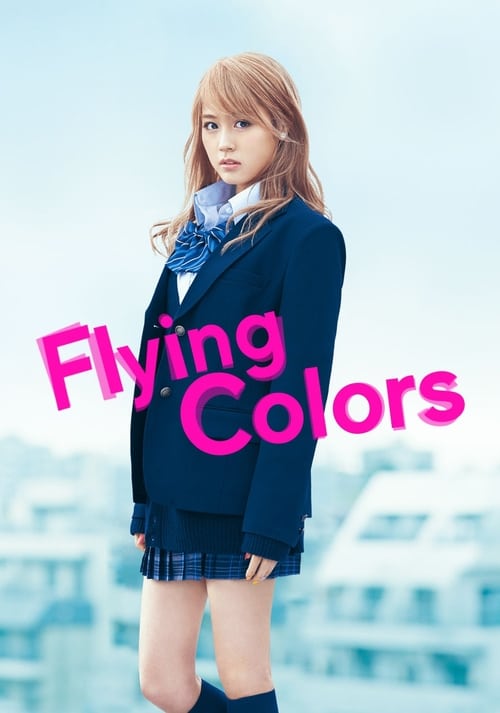
Flying Colors is a biographical drama centered on individual achievement and academic success. The story follows Sayaka Kudō's journey from a struggling student to a successful university candidate, highlighting personal discipline and social mobility within the Japanese educational system. While the film effectively showcases breaking academic stigmas, it remains within a traditional social framework. It focuses on institutional respect and conventional character development without addressing systemic power dynamics or diverse identity issues. The film's cultural specificity and homogeneity reflect the social context of its setting without engaging broader diversity themes.
Category Breakdown
The film does not include any LGBTQ+ characters or explore non-straight relationships. It stays within a traditional social framework without challenging assumptions about straight relationships.
Sayaka Kudō is a female protagonist whose journey through academia drives the plot. Her story focuses on academic success rather than challenging gender norms.
The cast and setting are uniform, reflecting the specific context of the Japanese educational system. There is no racial diversity in the film, which aligns with its biographical nature.
The story emphasizes the importance of the Japanese academic hierarchy. It portrays the education system as a meritocratic ladder achievable through personal discipline and mentorship.
The film does not feature any characters with visible or invisible disabilities. There are no arcs defined by neurodivergence or physical impairment.
Present on Screen
Limited or Absent
Official Synopsis
A high school girl, Sayaka Kudō was the bottom of the class. After a year, she improved her deviation value from 30 to 70, then passed Keio University that is considered one of the most difficult to enter in Japan.
2015
2000
2003
2018
2009

2017
2015
2020
No reviews yet. Be the first to share your thoughts on this movie!
Use the rating form above to leave a star rating and optional review.