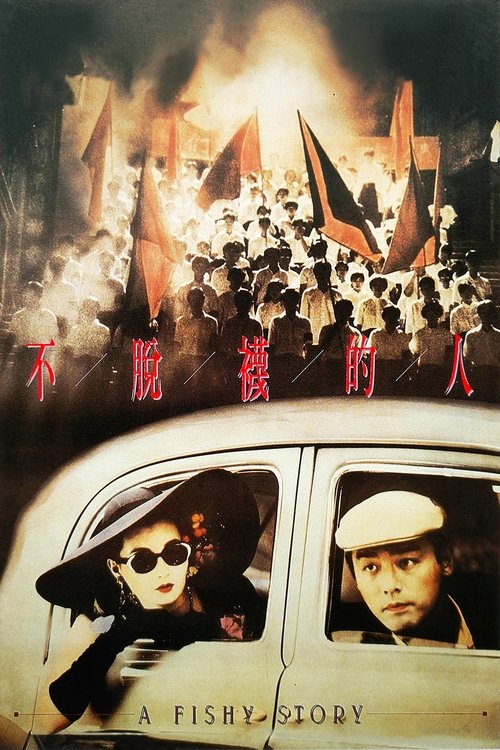
A Fishy Story
1989
No user ratings available yet
Representation score: 4.1 out of 10
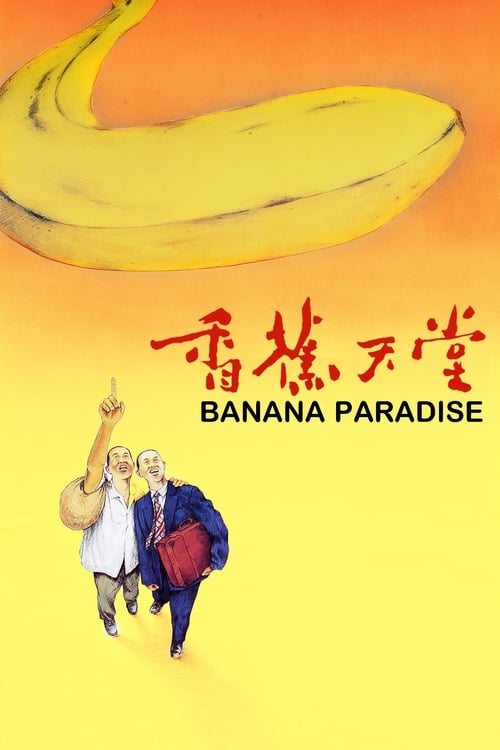
Representation Score
Limited
1989
Director
Wang Tung
Runtime
148 minutes
Average Rating
No ratings yetNew Showbiz Analysis
Banana Paradise challenges the Western perspective by setting its narrative within Taiwan, offering a localized view of the immigrant experience and political suspicion. However, the film's reliance on traditional masculine friendship clichés and the absence of strong female or LGBTQ+ characters limit its inclusivity. While the East Asian setting provides a unique cultural backdrop, the lack of diverse character development keeps the overall diversity score moderate.
Category Breakdown
The film does not include any characters who identify as LGBTQ+, nor does it address non-binary gender identities.
The story focuses on two young male characters and lacks strong female characters with significant influence or roles that challenge traditional gender norms.
The film sets its story in Taiwan, shifting the focus from Western perspectives to explore identity and suspicion within the Taiwanese sociopolitical context.
The narrative engages with non-Western social structures and political instability but does not explicitly critique Western institutions or offer a secularist viewpoint.
The film does not feature any characters with physical, sensory, or neurodivergent disabilities.
Present on Screen
Limited or Absent
Official Synopsis
A young man and his friend move to Taiwan, believing it to be a land of possibilities, but it's not long before they're accused of being spies.
1989

1993
1985

1996
1987
2018
1968

1992
No reviews yet. Be the first to share your thoughts on this movie!
Use the rating form above to leave a star rating and optional review.