
Cry Terror!
1958
No user ratings available yet
Representation score: 0.3 out of 10
Representation Score
Minimal
1939
NRDirector
Charles Vidor
Runtime
69 minutes
Average Rating
No ratings yetNew Showbiz Analysis
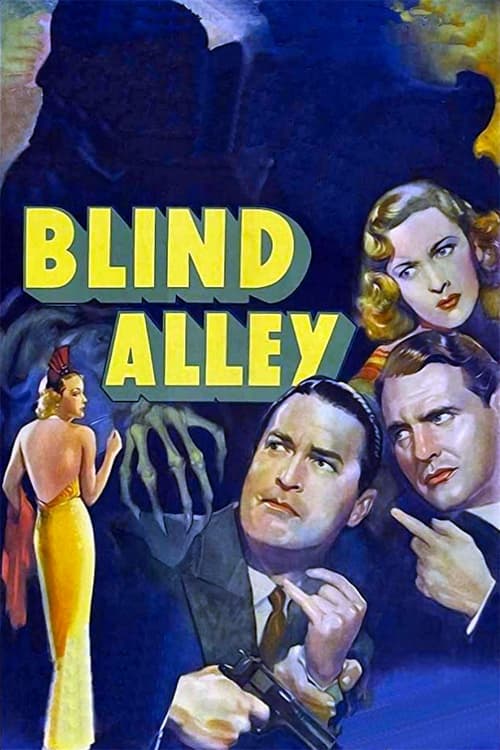
Blind Alley is a crime drama set in the late 1930s, emphasizing the moral journey of its male protagonist. The film centers on the tension between personal ability to act and criminal influence within a gritty urban environment. The movie does not aim to disrupt social norms. Instead, it reinforces the gender and racial hierarchies of the time, reflecting the narrow social perspectives of its era. Overall, the film provides insight into the socioeconomic concerns of 1939 but fails to offer nuanced representations of diverse identities or challenge prevailing cultural norms.
Category Breakdown
The film does not include any LGBTQ+ characters or individuals with non-conforming gender identities. It adheres strictly to the conventions of the time, presenting only heterosexual relationships.
Male characters dominate the plot and character development. Female characters are limited to supporting roles, often reacting to the actions of male characters.
The cast is predominantly white, with minimal diversity in ethnicity or race. The story focuses on a specific urban class without showcasing a variety of backgrounds.
The story presents a moral lesson about maintaining social order. It upholds traditional values without questioning systemic issues like capitalism.
The film does not depict any characters with physical, sensory, or cognitive disabilities. There are no characters with disabilities in the story.
Present on Screen
Limited or Absent
Official Synopsis
A gangster takes a doctor and his family hostage.
1958
1954
1949
1995
1948

1955
1974
1948
No reviews yet. Be the first to share your thoughts on this movie!
Use the rating form above to leave a star rating and optional review.