
The Man from Wyoming
1924
No user ratings available yet
Representation score: 1.3 out of 10
Representation Score
Limited
1948
NRDirector
Ray Enright
Runtime
90 minutes
Average Rating
No ratings yetNew Showbiz Analysis
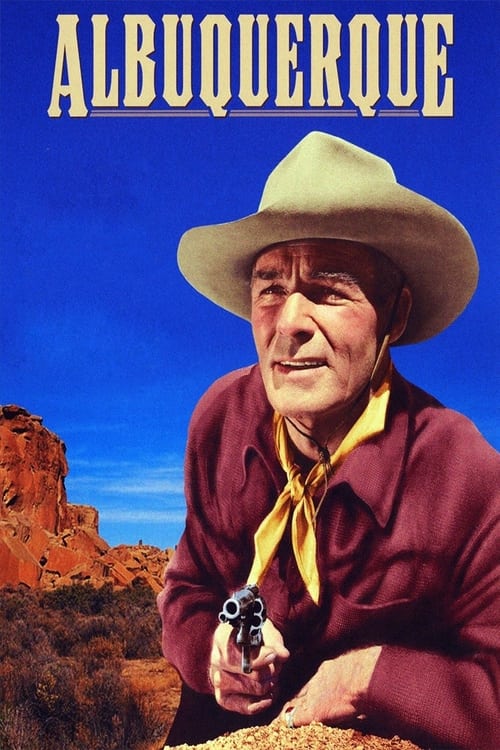
Albuquerque is a product of its time, adhering to the standardized narrative structures and social hierarchies of 1948. The film focuses on traditional genre clichés, particularly the moral dichotomies found in Westerns and industrial dramas. The story prioritizes male-driven conflict and competition. While female characters like Celia Wallace have business-oriented roles, the power dynamics remain centered on male leadership and rivalry. Representation is limited by the conventions of mid-century cinema. The film lacks significant racial diversity and offers no evidence of LGBTQ+ identities, reflecting the homogeneous casting typical of the period.
Category Breakdown
The film operates within a framework that assumes everyone is straight and cisgender. There are no depictions of same-sex relationships or non-binary identities.
Celia Wallace plays a significant role in running a freight line. However, the main conflicts are driven by male characters and their business rivalries.
The story focuses on industrial expansion in the American West. It lacks diverse casting and does not feature non-Anglo-Saxon characters with significant roles.
The plot explores themes of industrial competition and family conflict. It frames morality through individualistic Western notions of loyalty and justice, without addressing systemic issues.
There are no visible or invisible disabilities mentioned or depicted among the characters in this narrative.
Present on Screen
Limited or Absent
Official Synopsis
Cole Armin comes to Albuquerque to work for his uncle, John Armin, a despotic and hard-hearted czar who operates an ore-hauling freight line, and whose goal is to eliminate a competing line run by Ted Wallace and his sister Celia. Cole tires of his uncle's heavy-handed tactics and switches over to the Wallace side. Lety Tyler, an agent hired by the uncle, also switches over by warning Cole and Ted of a trap set for them by the uncle and his henchman.
1924
1940
1929
1951

1937
1966

1948
1971
No reviews yet. Be the first to share your thoughts on this movie!
Use the rating form above to leave a star rating and optional review.