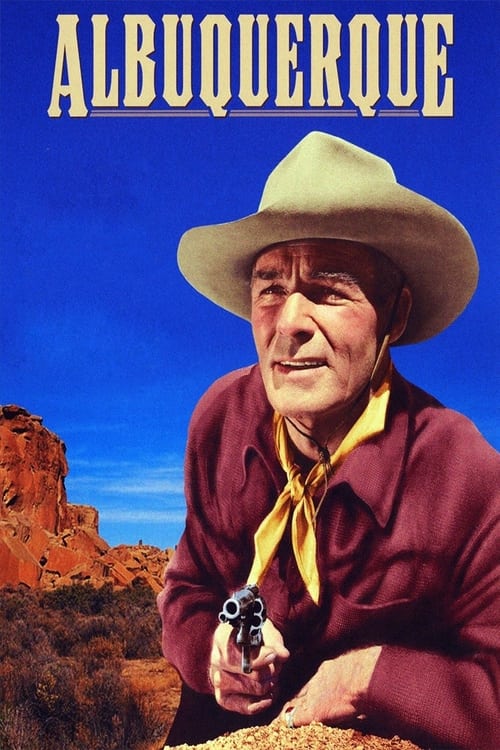
Albuquerque
1948
No user ratings available yet
Diversity score: 3.0 out of 10
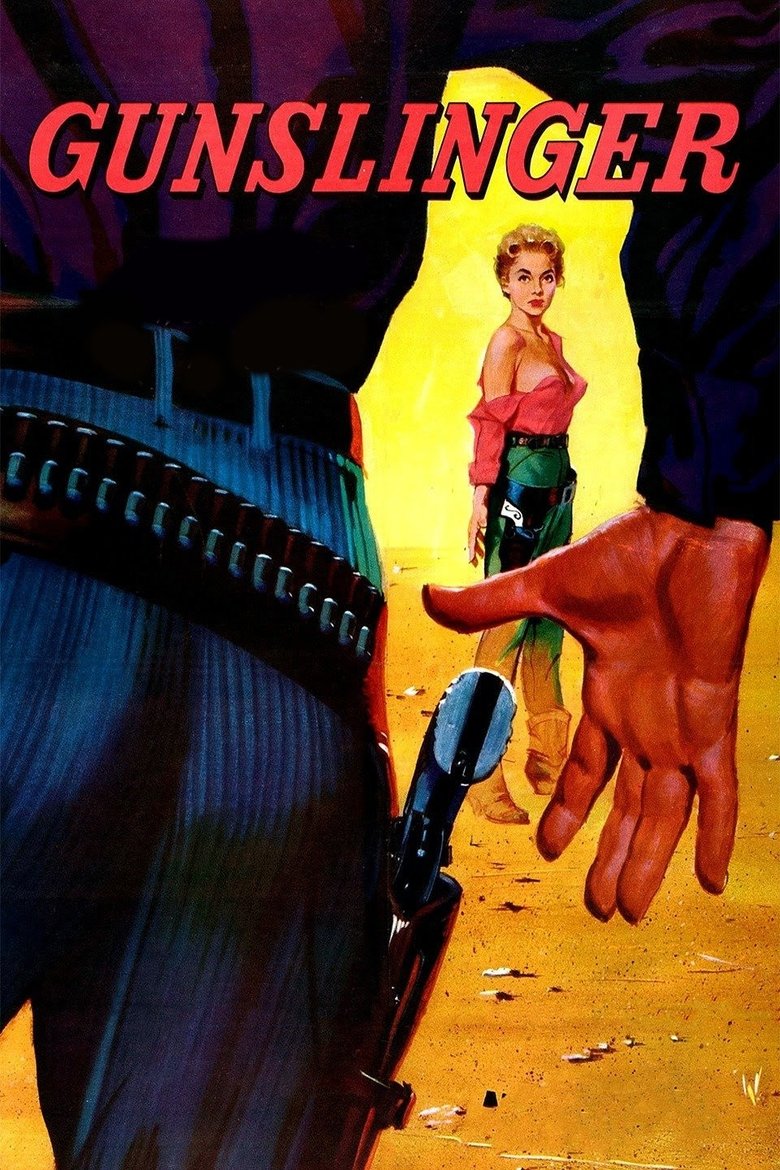
1956
NRDirector
Roger Corman
Runtime
71 minutes
Average Rating
No ratings yetSynopsis
After her husband is gunned down, Rose Hood takes his place as sheriff of a small Western town.
Overall Score
Limited
Category Breakdown
LGBTQ+ Representation
The film adheres to the standard heteronormative social structures of the 1950s. There is no evidence of non-cisnormative gender identities or narratives that critique traditional norms.
Gender Representation
Rose Hood provides a notable disruption of traditional hierarchies by assuming the role of sheriff. This shift from the domestic sphere to institutional authority offers a degree of female agency.
Racial & Ethnic Diversity
The production reflects the homogeneous racial norms prevalent in 1950s Hollywood. It appears to follow standard Western tropes without evidence of a non-white majority cast.
Religious & Cultural Diversity
The narrative likely reinforces the stability of Western social structures and frontier justice. It shows no evidence of deconstructing traditional institutions like the family or local law.
Disability Representation
There is no information available regarding the portrayal of physical disabilities, neurodivergence, or mental health conditions within the film.
Strengths
Areas for Improvement
AI Analysis
Gunslinger is a quintessential product of its era, functioning primarily as a genre-standard Western. Its most significant contribution to representation is the elevation of a female character to a position of civic leadership and physical agency. However, this singular focus on gender does not offset the film's adherence to the racial and cultural hierarchies of the 1950s. The narrative lacks the systemic critique or intersectional identities necessary for a broader diversity profile. Ultimately, the film operates within established social frameworks, reinforcing traditional Western tropes rather than subverting them.
1948
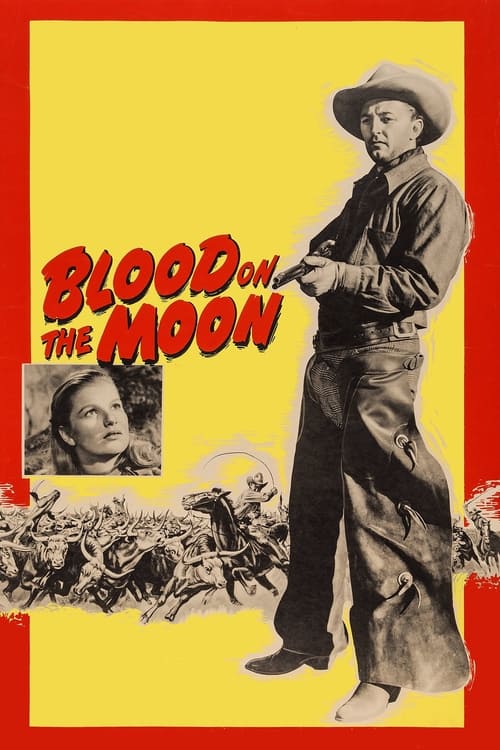
1948

1924
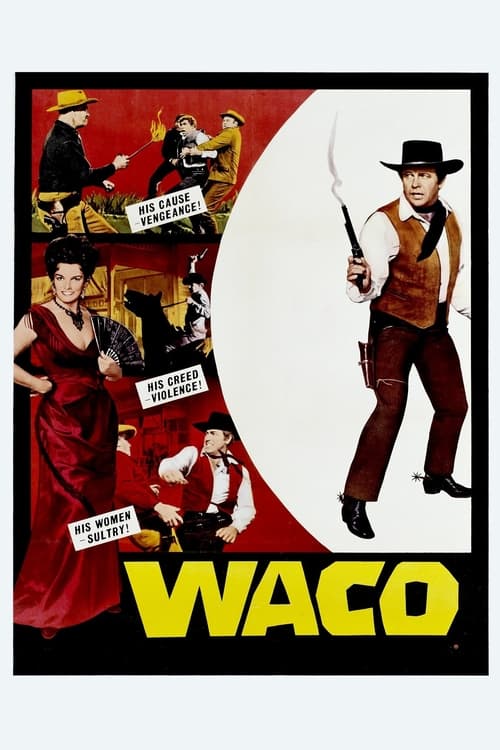
1966
1967
1971
1955
No reviews yet. Be the first to share your thoughts on this movie!
Use the rating form above to leave a star rating and optional review.