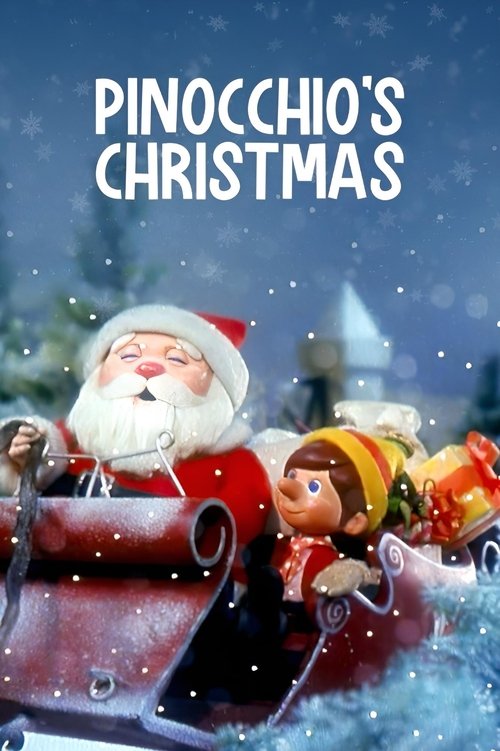
Pinocchio's Christmas
1980
No user ratings available yet
Representation score: 0.4 out of 10

Representation Score
Minimal
1979
ApprovedDirector
Jules Bass, Arthur Rankin, Jr.
Runtime
48 minutes
Average Rating
No ratings yetNew Showbiz Analysis
Jack Frost is a traditional seasonal fable that prioritizes classic fairy-tale clichés over modern inclusive storytelling. The narrative arc revolves around a conventional path toward social and romantic integration through material success. The film reflects the social norms of its era, emphasizing patriarchal structures and Western domesticity. Since the characters are largely personified elemental beings, the story avoids exploring diverse human identities or overlapping aspects of identity.
Category Breakdown
The story focuses on a romance between Jack Frost and Wendy, which is centered around straight relationships. There are no representations of non-straight or non-cisgender identities.
The film relies on traditional gender roles. Jack's journey to becoming human is defined by acquiring masculine traits such as wealth, property, and a wife.
The cast includes elemental beings and snow creatures, avoiding specific human racial diversity. This results in a lack of diverse human representation.
The narrative follows a Western folkloric framework, reinforcing values of material stability and the nuclear family as ultimate goals.
There are no portrayals of physical or neurodivergent disabilities. Character struggles focus on the transition from spirit to human rather than disability.
Present on Screen
Limited or Absent
Official Synopsis
Pardon-me Pete, the official groundhog of Groundhog Day, tells the story of Jack Frost, who falls in love with a beautiful young woman and begs Father Winter to make him human so that she can see him. His request is granted, but only on the condition that by the Spring he has a house, a bag of gold, a horse and a wife. But Jack finds that life as a human is more complicated than he thought.
1980
1976
1979
2021
1987

1957
1981
1970
No reviews yet. Be the first to share your thoughts on this movie!
Use the rating form above to leave a star rating and optional review.