The Winter War
1989
No user ratings available yet
Diversity score: 2.7 out of 10
2016
Director
Ole Bornedal
Runtime
121 minutes
Average Rating
No ratings yetSynopsis
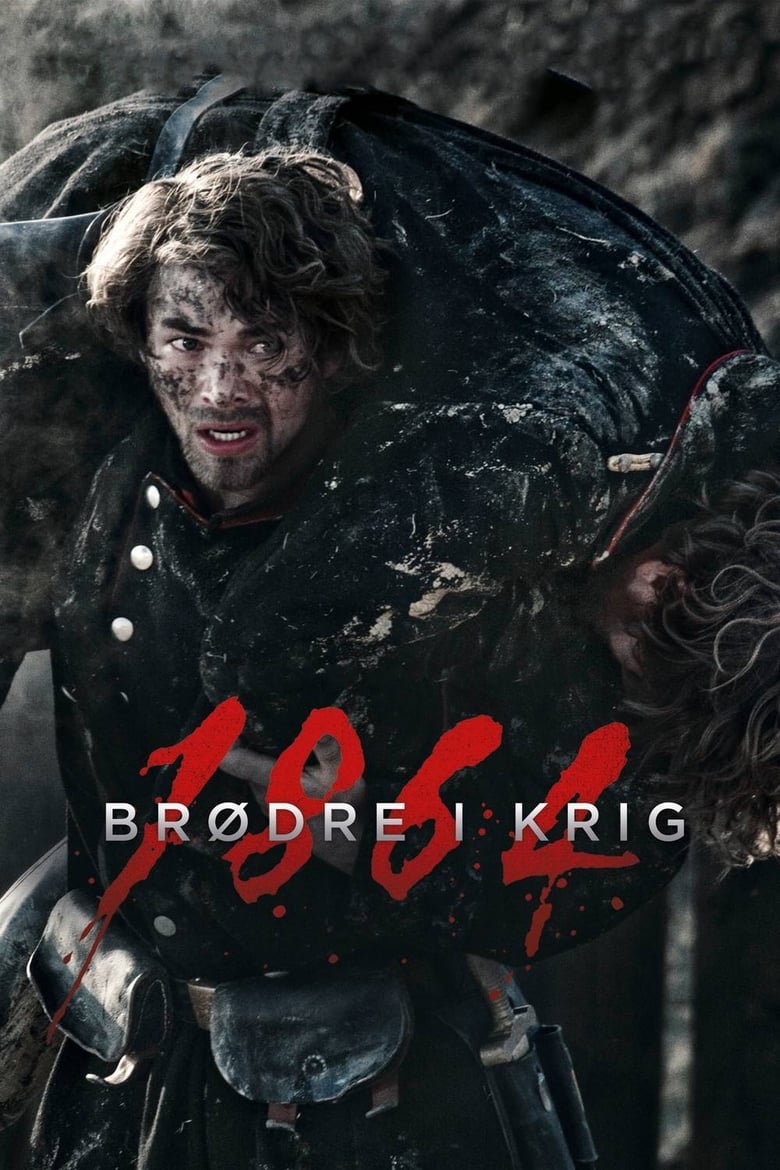
When Prussia and Austria declare war on Denmark, two brothers are called to serve in the bloodiest battle in Denmark's history.
Overall Score
Limited
Category Breakdown
LGBTQ+ Representation
The film adheres to the heteronormative social structures of the mid-1800s. There is no depiction of non-cisnormative gender identities or same-sex intimacy.
Gender Representation
Narrative agency is concentrated on male protagonists within a combat setting. Women appear primarily in domestic or supportive roles, reinforcing traditional gendered divisions of labor.
Racial & Ethnic Diversity
The cast is almost entirely homogeneous, reflecting the Danish and Germanic populations of the era. This historical accuracy results in a lack of intersectional representation.
Religious & Cultural Diversity
The film offers a skeptical view of nationalistic fervor rather than a patriotic one. It focuses on the human cost of conflict within Western historical traditions.
Disability Representation
Physical trauma and combat injuries serve as plot drivers to illustrate war's horrors. These elements lack nuanced neurodivergent representation or meaningful character agency.
Strengths
Areas for Improvement
AI Analysis
1864: Brødre i krig is a grim, realistic historical drama that prioritizes period authenticity over modern intersectional diversity. The film centers on traditional masculine bonds and the homogeneous social structures of the 19th century. While the film successfully deconstructs romanticized notions of national heroism, it does so through a lens of visceral suffering rather than social subversion. The narrative remains rooted in established hierarchies of gender and race consistent with the Second Schleswig War. Ultimately, the film functions as a study of geopolitical brutality. It lacks representation of LGBTQ+ identities, racial diversity, or nuanced disability, focusing instead on the narrow, traditional experience of mid-1800s warfare.
1989
1918
2012
1919

1967
2008
2002
2015
2011
2011
1997
2017
No reviews yet. Be the first to share your thoughts on this movie!
Use the rating form above to leave a star rating and optional review.