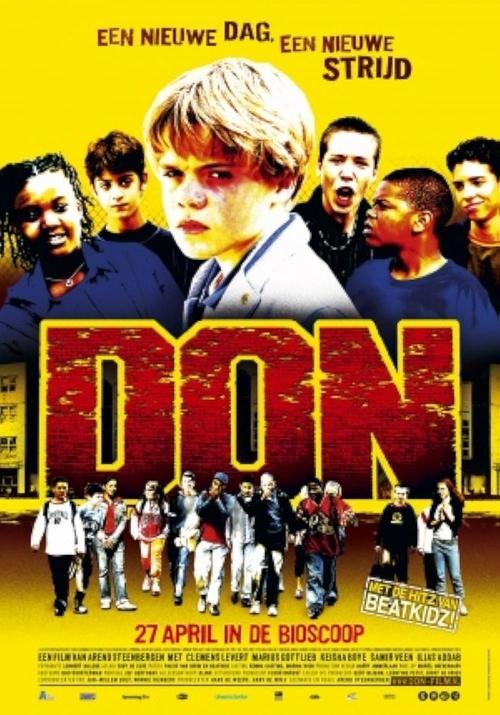
Don
2006
No user ratings available yet
Representation score: 4.4 out of 10
Representation Score
Fair
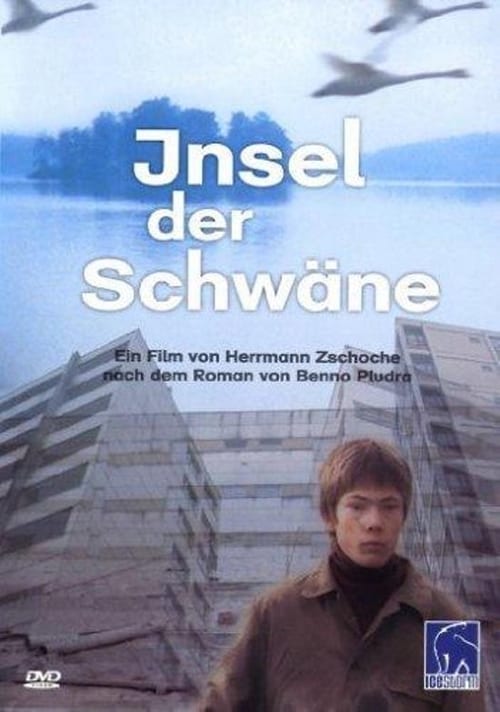
1983
Director
Herrmann Zschoche
Runtime
85 minutes
Average Rating
No ratings yetNew Showbiz Analysis
Island of Swans is a social realist drama that prioritizes thematic depth over broad demographic representation. It effectively deconstructs authority and explores social friction within a changing urban landscape. However, the film lacks diverse racial and LGBTQ+ representation. Its setting and production context result in a relatively homogeneous cast. Ultimately, the film's strength lies in its critique of power structures rather than its portrayal of diverse identities.
Category Breakdown
The film does not explicitly depict LGBTQ+ identities or relationships outside of heterosexuality. It centers on adolescent social dynamics and peer relationships.
Despite focusing on a male protagonist, the film features strong female characters who play key roles. A female-led household provides stability during the family's transition.
The cast reflects the demographic uniformity of 1983 East Germany. The story emphasizes class and geographic shifts rather than ethnic or racial diversity.
The film critiques institutional structures by depicting authority figures as performative or opportunistic. It examines the tension between individual ability to act and state-driven urban development.
No specific mention of physical or neurodivergent disabilities is made. The character Hubert exhibits anxiety, but this does not represent formal disability.
Present on Screen
Limited or Absent
Official Synopsis
Fourteen-year-old Stefan Kolbe, along with his mother and sister, moves from an idyllic small town to the developing area of Berlin-Marzahn, where his father works as a construction worker. Stefan must find his way in a completely new environment and surrounded by strange people. Stefan gets to know two girls, who attempt to seduce him, and gets himself into trouble with the landlord, who kisses up to societal authority figures. He becomes friends with the anxious Hubert, defends him against the constant humiliation of the older student Windjacke, and encourages him to stand up for himself. It ends tragically in a bitter fight between Stefan and Windjacke.
2006
2000
1983

1980
1982
1980
1983

1988
No reviews yet. Be the first to share your thoughts on this movie!
Use the rating form above to leave a star rating and optional review.