And I'll Run to the Ends of the Earth
1980
No user ratings available yet
Representation score: 5.8 out of 10
Representation Score
Good
1983
Director
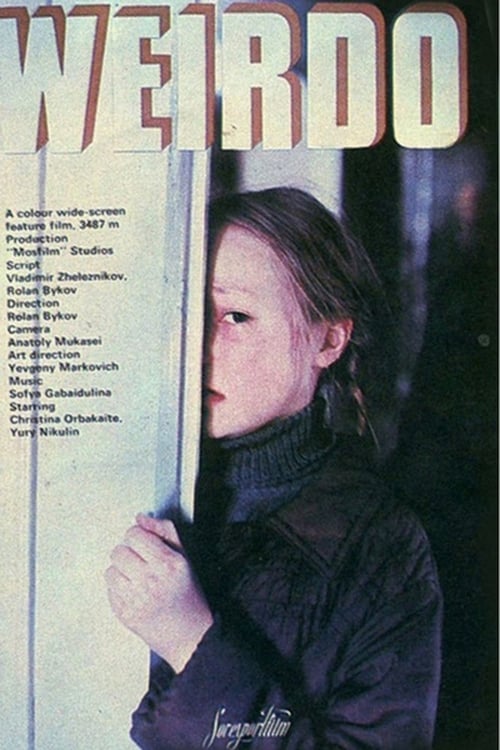
Rolan Bykov
Runtime
127 minutes
Average Rating
No ratings yetNew Showbiz Analysis
Scarecrow is a sophisticated examination of individual ability to act versus the oppressive weight of collective conformity. It transcends typical coming-of-age stories to critique how institutions demand the erasure of personal identity. The film's strength lies in its exploration of power dynamics and systemic dehumanization. Despite a lack of explicit demographic diversity regarding race or sexual orientation, it offers a profound look at human resilience. Ultimately, the work serves as a powerful commentary on the social consequences of non-conformity, highlighting the cruelty of enforced social cohesion through the protagonist's isolation.
Category Breakdown
The film doesn't include explicit LGBTQ+ characters or non-cisgender identities. However, its exploration of social isolation and 'otherness' reflects the experiences of underrepresented groups.
Lena challenges traditional gender roles by acting as a strong moral protagonist instead of a passive figure. Male characters are often portrayed as cowardly and morally weak.
The setting shows a homogeneous society within a specific Soviet context. There is no indication of racial or ethnic diversity or intentional casting to break demographic norms.
The narrative critiques institutionalized authority and the corruption of collective morality. It emphasizes individual truth over the dehumanizing demands of a rigid bureaucracy.
Though there are no characters with visible physical disabilities, the film delves into the psychological trauma of social alienation. It reflects the experience of being perceived as 'different' by a standardized collective.
Present on Screen
Limited or Absent
Official Synopsis
A twelve years old girl Lena who has come to live with her grandfather in a small Russian town is being bullied by her classmates. She took the rap of being a class traitor because she was in love with the boy who had betrayed his classmates when they were bunking off and going to cinema instead of a literature lesson. The class is penalized for that, not being allowed to go to Moscow for fall holidays with the rest of the school. Lena is being ostracized, "boycotted" however not telling the truth, waiting that the boy himself would confess to be guilty.
1980
1961
1982

1999

1980

2006
1983
2010
No reviews yet. Be the first to share your thoughts on this movie!
Use the rating form above to leave a star rating and optional review.