Scarecrow
1983
No user ratings available yet
Representation score: 7.8 out of 10
Representation Score
Fair
1980
Director
Peter Solan
Runtime
71 minutes
Average Rating
No ratings yetNew Showbiz Analysis
The film offers a poignant critique of social conformity by centering on a protagonist who exists on the margins of physical and social norms. It challenges traditional hierarchies of acceptance through a lens of social realism. The narrative's strength lies in its empathetic treatment of disability and its skeptical view of domestic and educational authority. By focusing on the protagonist's internal world, it provides a nuanced look at adolescent alienation. However, the film lacks explicit details regarding LGBTQ+ identities and shows no evidence of racial or ethnic diversity. The representation remains focused on individual physical and social struggles.
Category Breakdown
The film explores a pivotal first love affair and a secret friendship. While the gender of the romantic interest is not explicitly defined, the emphasis on emotional intimacy suggests a departure from traditional social structures.
The story centers on a female protagonist navigating social hostility and internal autonomy. It challenges traditional maternal archetypes by portraying the mother as a source of criticism rather than a nurturing figure.
There is no evidence of a diverse racial cast or specific ethnic conflicts within the narrative. The focus remains on social and physical stratification rather than racial identity.
The narrative critiques traditional institutions like the nuclear family and school systems. It prioritizes subjective emotional truth, finding refuge in a grandmother's care and a fantasy world.
The protagonist's minor physical disability is central to her social struggle. The film explores how her gait leads to familial tension and peer mockery, highlighting her psychological resilience.
Present on Screen
Limited or Absent
Official Synopsis
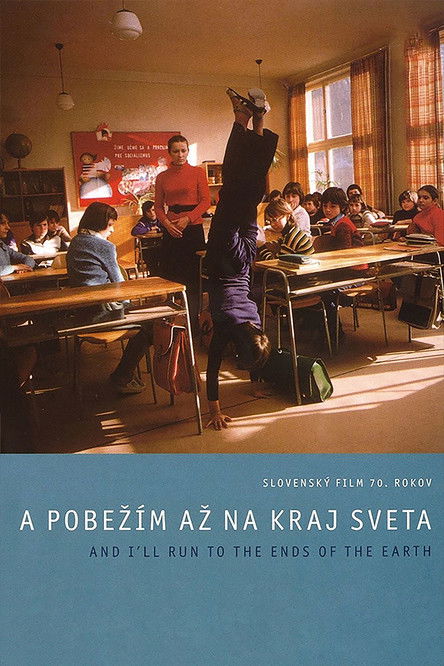
Majka "Chatterbox" is a girl entering adolescence. She was born with a minor disability. While her mother keeps scolding her for the way she walks, her classmates mock her and call her a "duck". Along an innocent first love affair and a secret friendship, she receives little understanding from her parents and lots of malice from her schoolmates. Majka finds refuge with her grandmother and in her own fantasy world.
1983

1999
1982
2015
2017
1986
1983

1985
No reviews yet. Be the first to share your thoughts on this movie!
Use the rating form above to leave a star rating and optional review.