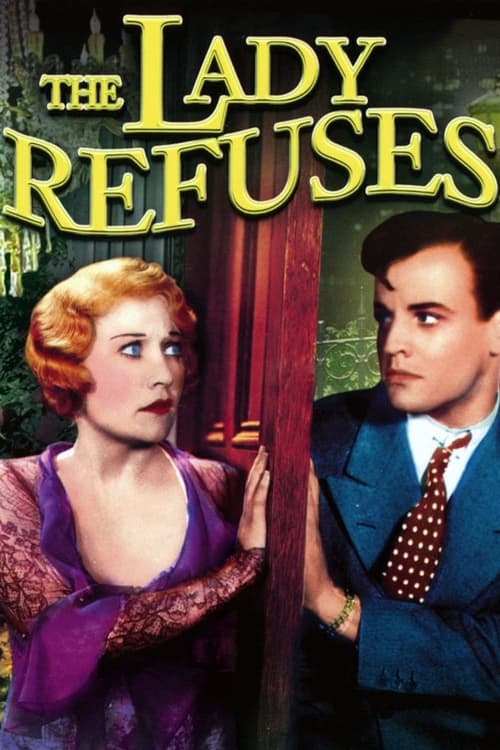
The Lady Refuses
1931
No user ratings available yet
Diversity score: 2.5 out of 10
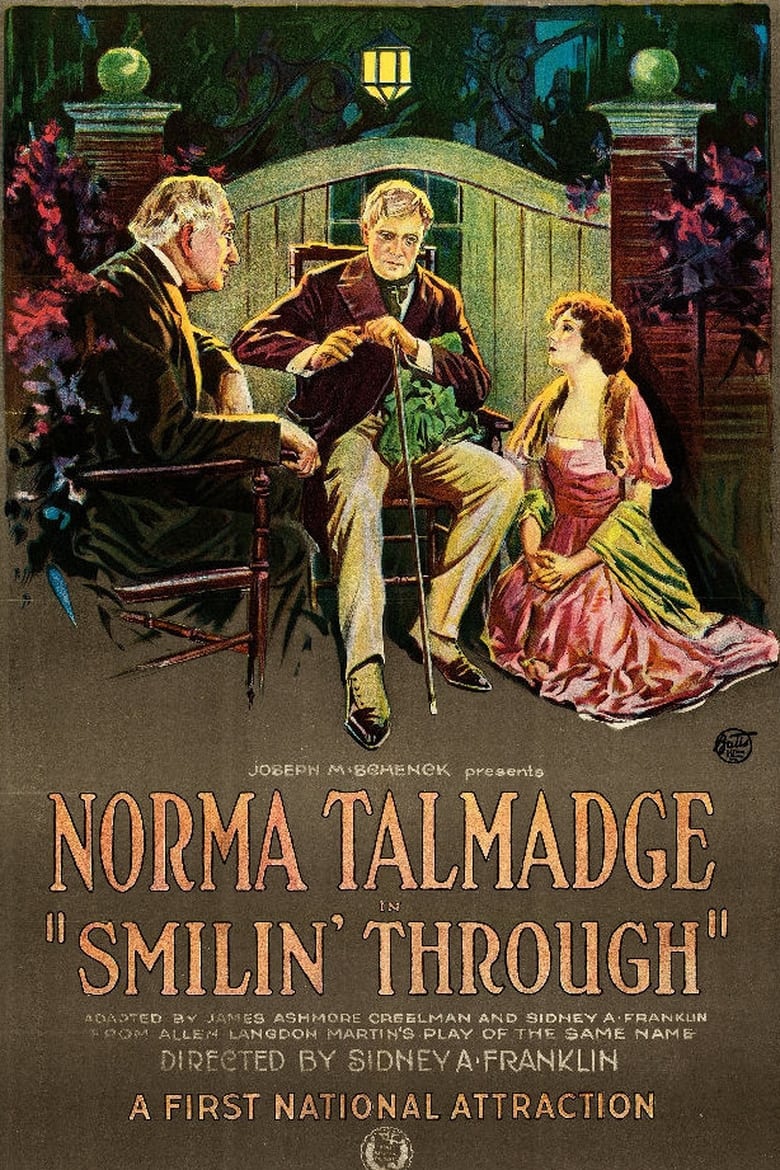
1922
PassedDirector
Sidney Franklin
Runtime
96 minutes
Average Rating
No ratings yetSynopsis
The story is essentially the same as the popular Jane Cowl play, with Talmadge in the dual role of Kathleen and Moonyean. Kathleen, a young Irish woman, is in love with Kenneth Wayne but is prevented from marrying him by her guardian John Carteret. John is haunted by memories of his thwarted love for Kathleen's aunt, Moonyean.
Overall Score
Limited
Category Breakdown
LGBTQ+ Representation
The film relies on traditional romantic pairings and heteronormative structures. There is no presence of non-cisnormative identities or same-sex intimacy within the plot.
Gender Representation
The story centers on female emotionality and mourning, offering a glimpse into the female perspective. However, character agency remains tied to romantic relationships and domestic roles.
Racial & Ethnic Diversity
The cast reflects the homogeneous social standards of the 1920s. While the protagonist is Irish, this serves as a standard character archetype rather than a disruption of Anglo-centric norms.
Religious & Cultural Diversity
The narrative operates within a traditional Western framework, emphasizing sentimental morality and familial bonds. It reinforces conventional social structures rather than offering critiques of Western institutions.
Disability Representation
The film explores the psychological weight of grief and loss. However, it lacks specific portrayals of physical or neurodivergent disabilities as central character traits.
Strengths
Areas for Improvement
AI Analysis
Smilin' Through is a quintessential product of early 1920s Hollywood, prioritizing classical romantic structures and sentimental drama. The narrative focuses on emotional resonance through traditional lenses, reinforcing the social hierarchies and gender roles of its era. While the film provides space for female emotional depth, it does so within a framework that limits female agency to domestic and romantic spheres. The lack of diverse identities or subversions of the status quo makes it a standard period piece rather than a progressive work.
1931
1927
1926
1934
1915
1937
1930
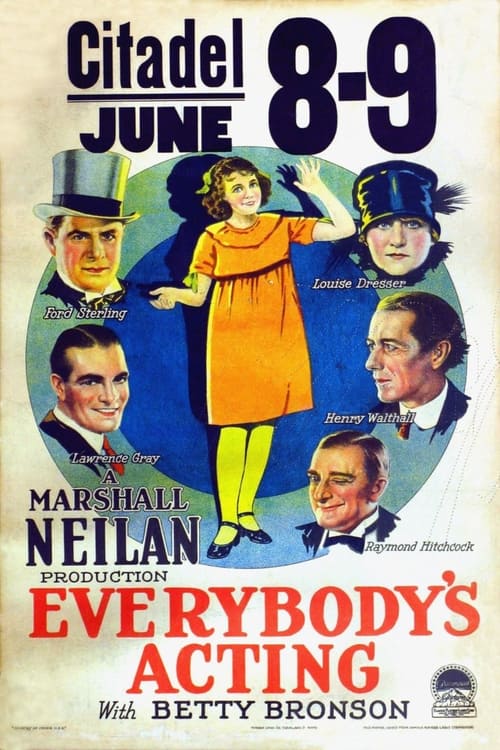
1926
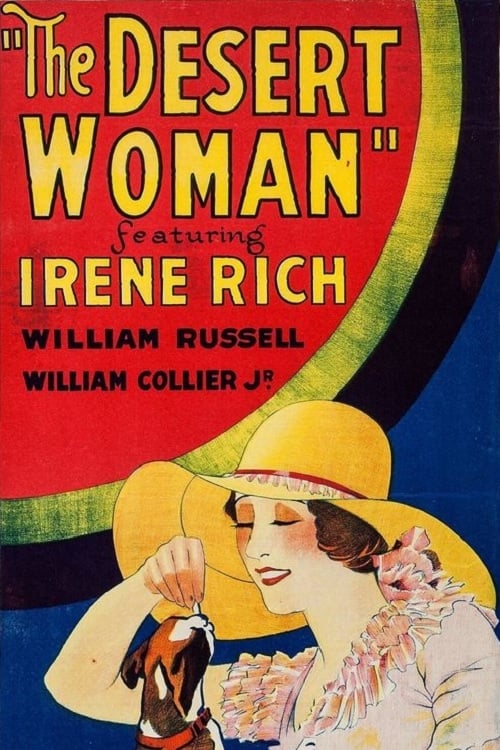
1927
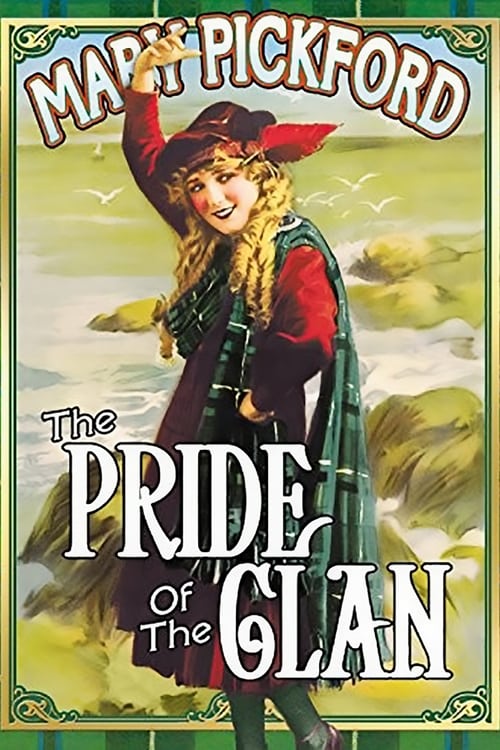
1917
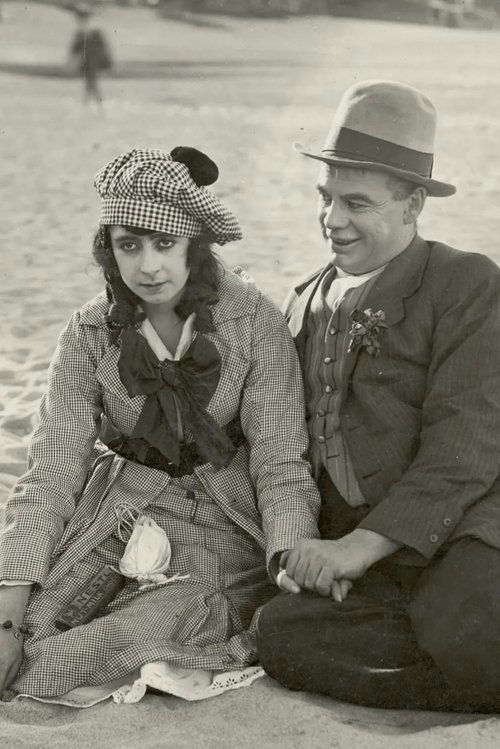
1919

1929
No reviews yet. Be the first to share your thoughts on this movie!
Use the rating form above to leave a star rating and optional review.