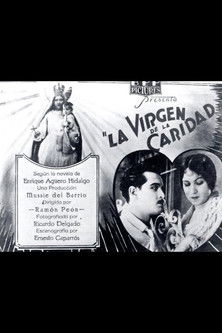
The Virgin of Charity
1930
No user ratings available yet
Diversity score: 3.2 out of 10

1920
NRDirector
James Vincent
Runtime
35 minutes
Average Rating
No ratings yetSynopsis
Vera Blaine, a young woman in the deep South, is passionate and romantic. So, she's easy prey for José Dalmarez.
Overall Score
Limited
Category Breakdown
LGBTQ+ Representation
The film lacks any evidence of non-heteronormative identities. The focus remains on a conventional romantic framework between a female lead and a male character.
Gender Representation
Vera Blaine serves as the central protagonist, yet her characterization as 'easy prey' suggests a lack of agency. The narrative appears to lean into tropes of feminine passivity.
Racial & Ethnic Diversity
The setting in the deep South and the name José Dalmarez hint at ethnic diversity. However, it is unclear if this provides meaningful representation or relies on period caricatures.
Religious & Cultural Diversity
The story operates within traditional Western frameworks of the 1920s. It focuses on individual romantic drama rather than critiquing institutional or religious structures.
Disability Representation
There is no information regarding the portrayal of physical or neurodivergent characters in this production.
Strengths
Areas for Improvement
AI Analysis
Stolen Moments is a conventional period romance that reflects the social hierarchies of the early 20th century. The narrative structure prioritizes traditional romantic tropes over intersectional agency or the disruption of established cultural norms. While the film centers on a female protagonist, the characterization suggests a reliance on vulnerability and passivity. The presence of a non-Anglo-Saxon character name introduces a layer of ethnic diversity, but the depth of this representation remains unverified. Ultimately, the film appears to reinforce the standard social mores of its era, offering little in the way of progressive or subversive storytelling.
1930

1914

1927
2000
1932
1962

2004

1977

2018
2017
2020
1957
No reviews yet. Be the first to share your thoughts on this movie!
Use the rating form above to leave a star rating and optional review.