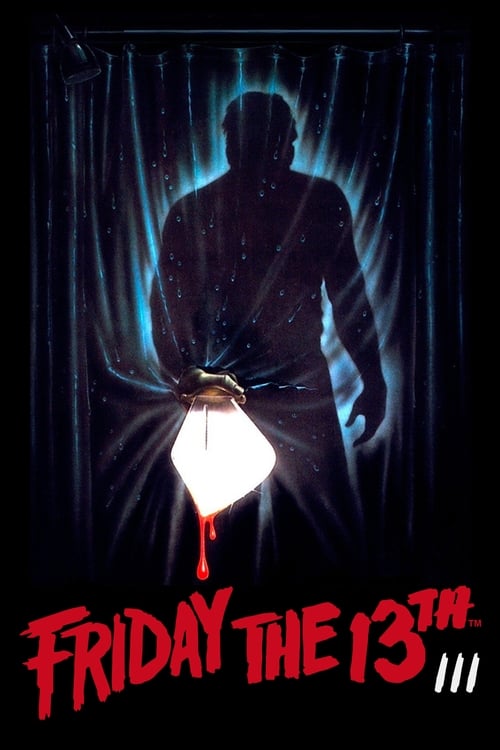
Friday the 13th Part III
1982
No user ratings available yet
Representation score: 1.6 out of 10
Representation Score
Minimal
1984
RDirector
Joseph Zito
Runtime
91 minutes
Average Rating
No ratings yetNew Showbiz Analysis
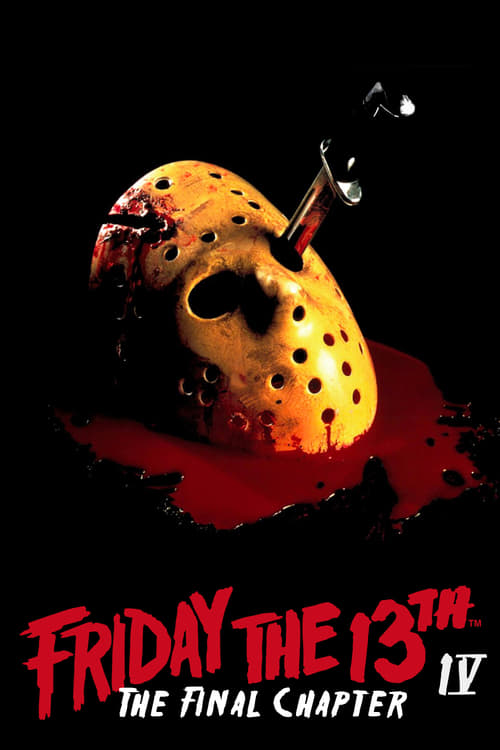
Friday the 13th: The Final Chapter functions as a quintessential 1980s slasher, prioritizing suspense and genre mechanics over social exploration. The narrative focuses on individual survival within a closed ecosystem rather than challenging established social hierarchies. The film maintains a traditional view of social dynamics. It relies on archetypal roles and homogeneous casting, offering little engagement with diverse cultural perspectives. Ultimately, the work serves the requirements of the horror genre without attempting to deconstruct masculine/feminine archetypes or provide a platform for non-Anglo-Saxon representation.
Category Breakdown
The film does not include any LGBTQ+ characters or explore non-straight relationships. It follows the conventional social structures of the 1980s.
The story relies on traditional slasher archetypes and gendered clichés. While the main female character plays a significant role in driving the story, women are generally portrayed as vulnerable.
The cast is mostly homogeneous, reflecting the casting trends of 1980s horror. There is no meaningful exploration of racial diversity or multicultural dynamics.
The story operates within a standard Western horror framework. A child character's extreme anti-social behavior disrupts the 'innocent child' cliché but does not critically examine societal norms.
There is no meaningful representation of physical or neurodivergent disabilities. Characters are defined solely by their physical abilities needed for survival-horror.
Present on Screen
Limited or Absent
Official Synopsis
After his revival in a hospital morgue, Jason fixes his vengeful attention on the Jarvis family and a group of hitherto carefree teenagers.
1982
1981

1980
1988

1989
1990
2009
1985
No reviews yet. Be the first to share your thoughts on this movie!
Use the rating form above to leave a star rating and optional review.