The Experiment
2010
No user ratings available yet
Representation score: 5.6 out of 10
Representation Score
Limited
1971
RDirector
Peter Watkins
Runtime
88 minutes
Average Rating
No ratings yetNew Showbiz Analysis
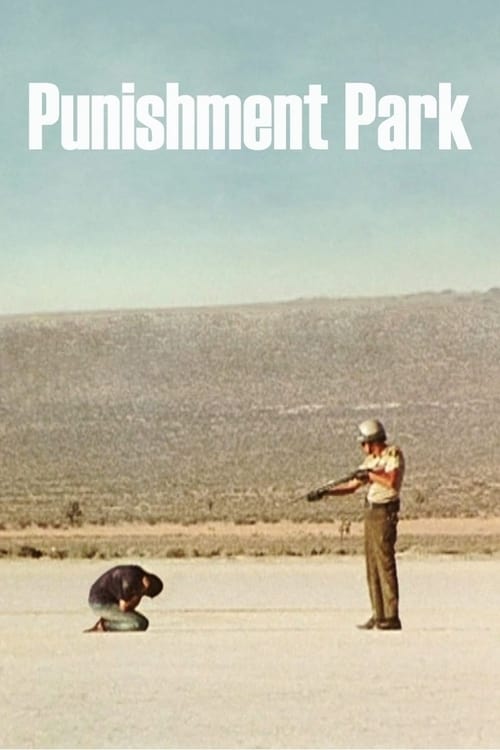
Punishment Park is a powerful political film that prioritizes systemic critique over broad demographic representation. It uses a pseudo-documentary style to challenge the legitimacy of state authority and Western institutional morality. However, the film's impact is limited by its narrow demographic focus, which reflects a specific 1970s political subculture rather than a diverse human experience. Ultimately, the work's strength lies in its cultural deconstruction, even though it lacks diverse identities.
Category Breakdown
The film does not feature any LGBTQ+ characters. The story focuses solely on ideological conflict and survival, ignoring non-straight and non-cisgender identities.
Gender hierarchies disappear as participants engage in state-sanctioned violence. The film avoids traditional clichés of male leadership or female submissiveness, showing both genders as equally involved.
The cast is predominantly homogeneous, focusing on a specific middle-class, anti-war youth demographic. This leads to a lack of character depth related to race and a lack of diverse representation.
The film provides a deep critique of Western institutional stability and state-mandated fascism. It portrays the American legal system as predatory, emphasizing a critique of systemic power.
There are no visible or invisible disabilities portrayed as central to the character arcs or the plot progression.
Present on Screen
Limited or Absent
Official Synopsis
In this fictional documentary, U.S. prisons are at capacity, and President Nixon declares a state of emergency. All new prisoners, most of whom are connected to the antiwar movement, are now given the choice of jail time or spending three days in Punishment Park, where they will be hunted for sport by federal authorities. The prisoners invariably choose the latter option, but learn that, between the desert heat and the brutal police officers, their chances of survival are slim.
2010
1964
1962
1972

2001
1981
1969
1965
No reviews yet. Be the first to share your thoughts on this movie!
Use the rating form above to leave a star rating and optional review.