Trumbo
2015
No user ratings available yet
Representation score: 3.9 out of 10
Representation Score
Fair
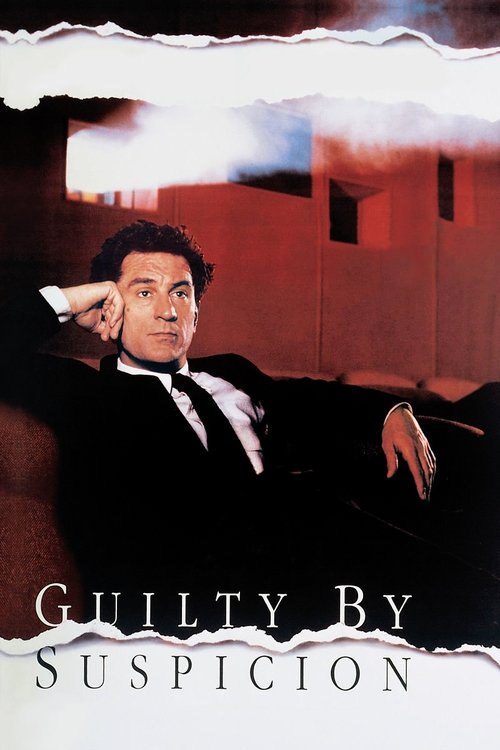
1991
PG-13Director
Irwin Winkler
Runtime
100 minutes
Average Rating
No ratings yetNew Showbiz Analysis
Guilty by Suspicion is a character-driven drama that prioritizes a critique of systemic power over visibility of diverse identities. The film's strength lies in its exploration of how institutions marginalize individuals based on ideological associations. While the narrative effectively deconstructs institutional infallibility, it appears to rely on traditional dramatic structures focused on political and professional ability to act rather than a diverse array of social identities. Ultimately, the film functions as a study of the outsider, though it lacks specific evidence of diverse racial, gender, or LGBTQ+ representation.
Category Breakdown
The film does not include any explicit representations of LGBTQ+ identities or non-straight relationships. While political persecution can intersect with underrepresented groups, there is no specific confirmation of queer representation.
The story focuses on a male protagonist fighting for professional rights, adhering to a traditional dramatic structure. There is no indication of subverting gender hierarchies or portraying masculinity in non-traditional ways.
The narrative explores the idea of being an outsider within a dominant institution. However, there is no confirmation of a non-white majority cast or specific instances of diverse ethnic representation.
The film excels in its critique of Western institutional stability. It centers on a protagonist underrepresented by the Hollywood establishment, challenging state-sanctioned morality and centralized power.
There is no evidence that neurodivergence, physical disabilities, or mental health conditions play a central role in the narrative or as character traits.
Present on Screen
Limited or Absent
Official Synopsis
Owing to his alleged involvement with communist parties, film director David Merrill is forbidden from working in Hollywood. He decides to fight for his rights and faces numerous challenges.
2015

1965

2012
1950

1989
1964

1999
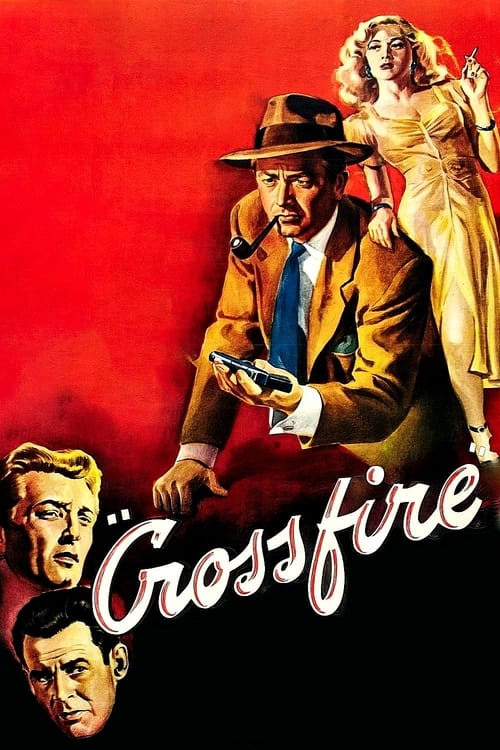
1947
No reviews yet. Be the first to share your thoughts on this movie!
Use the rating form above to leave a star rating and optional review.