Makuko
2019
No user ratings available yet
Representation score: 5.3 out of 10
Representation Score
Good
2020
Director
Akihiro Toda
Runtime
97 minutes
Average Rating
No ratings yetNew Showbiz Analysis
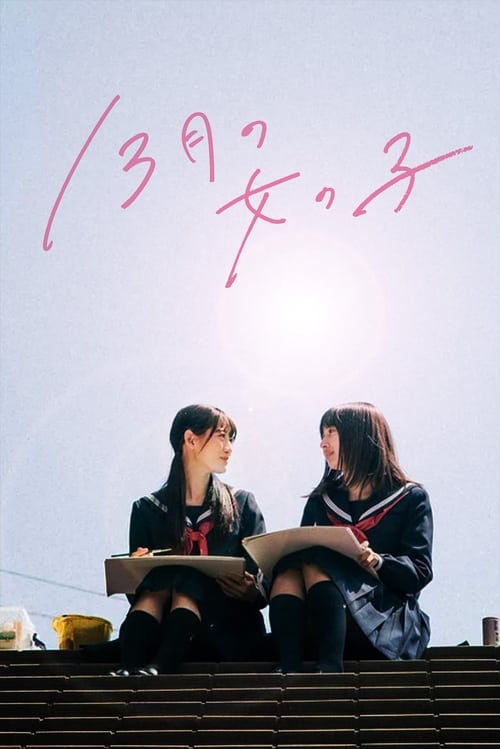
Girls of the Thirteenth Month is a character-driven drama that excels in its female-centric perspective. By focusing on the social friction and medical struggles of young women, it avoids traditional masculine-led clichés. The film provides a meaningful exploration of vulnerability and the outsider experience. However, the film remains limited by its demographic homogeneity. The lack of racial diversity and the absence of overt LGBTQ+ markers prevent it from achieving a more multi-layered impact. It functions primarily as a localized study of youth identity and social alienation. Ultimately, the film succeeds in offering a nuanced portrait of identity through its focus on disability and women's ability to drive the story, even if it stays within traditional cultural boundaries.
Category Breakdown
The film focuses on a strong friendship between two female characters but does not explicitly confirm any romantic or non-cisgender identities.
The narrative emphasizes the internal lives of high school girls, disrupting traditional patriarchal storytelling structures by prioritizing female perspectives and interpersonal dynamics.
As a localized Japanese production, the film features a predominantly homogeneous cast reflecting its specific cultural setting rather than pursuing intentional multi-layered racial blending.
The story explores social alienation and disruptions of standard social orders through a fantasy element that questions established realities and rigid social conformity.
Miko’s heart disease is a foundational part of her identity, and the film treats her chronic illness with nuance rather than using it merely as a plot device.
Present on Screen
Limited or Absent
Official Synopsis
Kazuho Anamori, who had difficulty fitting in with her class, meets Miko Karakida, who suffers from heart disease, and becomes close friends with her, however, six months later, Miko dies while hospitalized. Kazuho receives a letter saying that there is something to discuss about Miko. When she goes to the address she has been called to, she finds a mysterious transfer student, Rio Ukima, waiting for her.
2019

2018

2015
2018

2019

2016

2022

2020
No reviews yet. Be the first to share your thoughts on this movie!
Use the rating form above to leave a star rating and optional review.