
anohana: The Flower We Saw That Day - The Movie
2013
No user ratings available yet
Representation score: 4.7 out of 10
Representation Score
Good
2016
TV-14Director
Hiroshi Hamasaki
Runtime
63 minutes
Average Rating
No ratings yetNew Showbiz Analysis
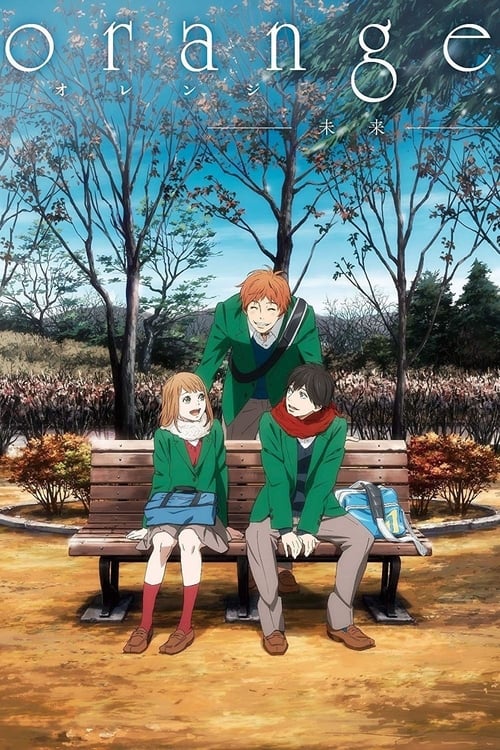
Orange: Future is a character study that prioritizes emotional resonance and the processing of collective trauma. It moves beyond simple nostalgia by forcing characters to confront the painful realities of a lost friend's death. While the film lacks aggressive engagement with identity politics or diverse racial casting, it finds depth in the complexities of human connection and the internal landscapes of its protagonists.
Category Breakdown
The story focuses on established romantic relationships and shared grief. There is no direct mention of LGBTQ+ identities or a critique of the assumption that everyone is straight or cisgender.
Female characters such as Naho, Takako, and Azusa play significant roles in driving the story through their emotional journeys. However, they often fit into traditional dramatic roles.
As a Japanese production, the cast is ethnically uniform. The film reflects its specific cultural setting without actively engaging in racial blending or subverting casting norms.
The film explores memory and loss through traditional social structures like family and communal mourning. It deconstructs idealized pasts but remains tied to conventional social frameworks.
The plot centers on the psychological impact of loss and trauma. Physical disabilities are not detailed, but the film treats neuro-emotional states and grief as central drivers.
Present on Screen
Limited or Absent
Official Synopsis
Twenty-six-year-old Hiroto Suwa; his wife, Naho; and their old high school classmates—Takako Chino, Azusa Murasaka, and Saku Hagita—visit Mt. Koubou to view the cherry blossoms together. While watching the setting sun, they reminisce about Kakeru Naruse, their friend who died 10 years ago. Mourning for him, they decide to visit Kakeru's old home, where they learn the secret of his death from his grandmother.
2013
2020

2015

2019
2018
2013

2022
2020
No reviews yet. Be the first to share your thoughts on this movie!
Use the rating form above to leave a star rating and optional review.