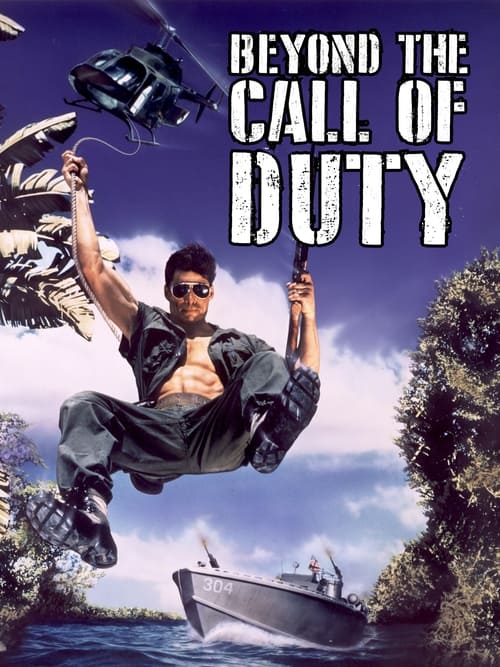
Beyond the Call of Duty
1992
No user ratings available yet
Diversity score: 2.7 out of 10
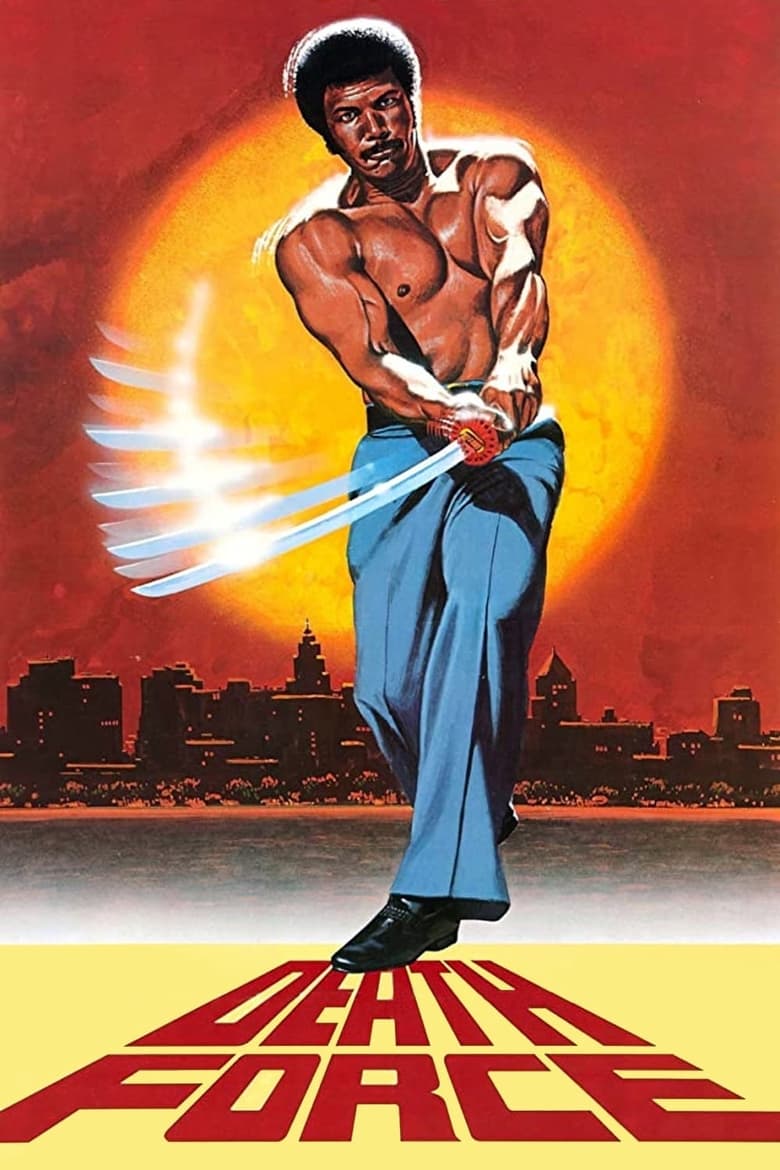
1978
RDirector
Cirio H. Santiago
Runtime
110 minutes
Average Rating
No ratings yetSynopsis
James Iglehart is Doug Russell, an American who steals a shipment of gold in the Philippines with two Vietnam War buddies, who cut his throat and throw him overboard. Russell washes ashore an island inhabited by two Japanese soldiers stranded there since World War II. They nurse him back to health and he is taught martial arts and the art of the samurai. Back in the States, his treacherous pals, Marelli and Maghee, use their loot and viciousness to muscle their way into Los Angels mafia turf.
Overall Score
Limited
Category Breakdown
LGBTQ+ Representation
The film follows a traditional masculine action framework. There are no non-cisnormative gender identities or narratives that engage with heteronormativity.
Gender Representation
Narratives are driven almost exclusively by male protagonists and antagonists. Women are relegated to secondary roles, and power dynamics center on masculine physical dominance.
Racial & Ethnic Diversity
The production features a multicultural cast due to its Philippine filming location. It depicts a cross-cultural exchange between an American protagonist and Japanese soldiers.
Religious & Cultural Diversity
Themes of betrayal and survival are explored through genre-standard vigilantism. The moral framework focuses on individual retribution rather than systemic or ideological critique.
Disability Representation
There is no representation of physical, sensory, or neurodivergent identities. Physical vulnerability is treated only as a temporary obstacle to overcome through training.
Strengths
Areas for Improvement
AI Analysis
Death Force is a standard 1970s exploitation film that prioritizes kinetic action and martial arts tropes over social commentary. The narrative is built on traditional hierarchies of masculinity and physical dominance, offering little room for intersectional complexity. While the film benefits from a multicultural production setting that blends Western and Asian cast members, this inclusion serves the plot rather than deep character exploration. The interactions between the American lead and Japanese soldiers function primarily as tools for survival and training. Ultimately, the film lacks intentionality regarding diversity. It functions as a genre piece centered on individualistic combat and retribution, adhering to the era's conventional social expectations.
1992
1986
1985
1968
1987
1976
1986
1979

1994
1985
1985
1987
No reviews yet. Be the first to share your thoughts on this movie!
Use the rating form above to leave a star rating and optional review.