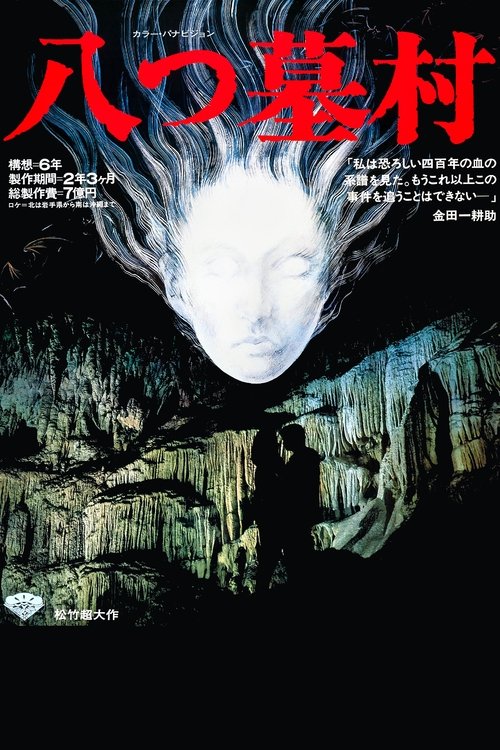
Village of Eight Gravestones
1977
No user ratings available yet
Representation score: 3.7 out of 10
Representation Score
Fair
1976
Director
Kon Ichikawa
Runtime
146 minutes
Average Rating
No ratings yetNew Showbiz Analysis
Kon Ichikawa’s masterpiece prioritizes the deconstruction of social hierarchies over modern demographic representation. The film uses the mystery genre to expose systemic corruption within an elite, closed society. While the work lacks explicit LGBTQ+ or racial diversity, it offers a sophisticated critique of traditional institutions. It challenges the sanctity of the family unit by framing inheritance as a destructive, corrupting force. The film's complexity lies in its narrative structure, which explores the tension between individual identity and rigid societal expectations through a lens of moral relativism.
Category Breakdown
The film focuses on lineage and patriarchal bloodlines. There is no clear presence of queer subtext or non-traditional gender identities within the character arcs.
Authority is centered around male heads of households, reflecting a patriarchal structure. However, women play a significant role in driving the mystery through strategic actions and strong influence.
The cast is ethnically uniform, reflecting the 1936 Japanese setting. The film maintains cultural authenticity without using whitewashing or Western casting norms.
The narrative questions the sanctity of the family unit, showing the clan as a place of corruption. It highlights the decay within traditional power structures.
Physical and psychological conditions are used primarily as plot devices to enhance the horror. Characters with disabilities have limited independence outside the central mysterious plot.
Present on Screen
Limited or Absent
Official Synopsis
When a tycoon passes away, he unexpectedly leaves the family fortune to outsider Tamayo on the condition that she marries one of the grandsons, pitting blood against blood.
1977
2000

1971
1972

1974
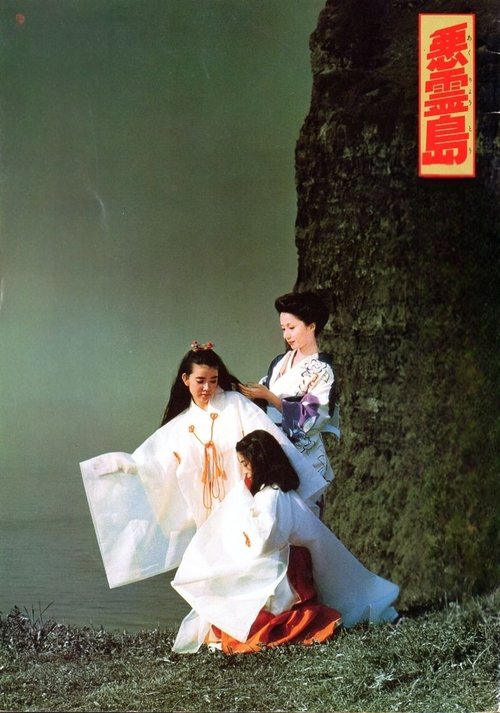
1981
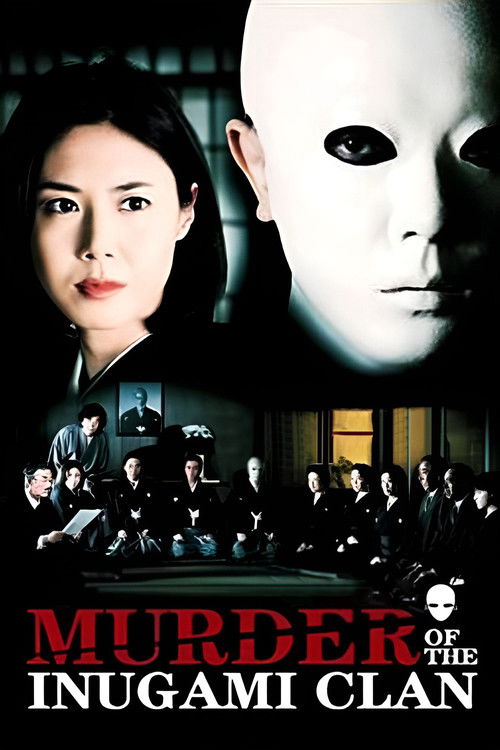
2006
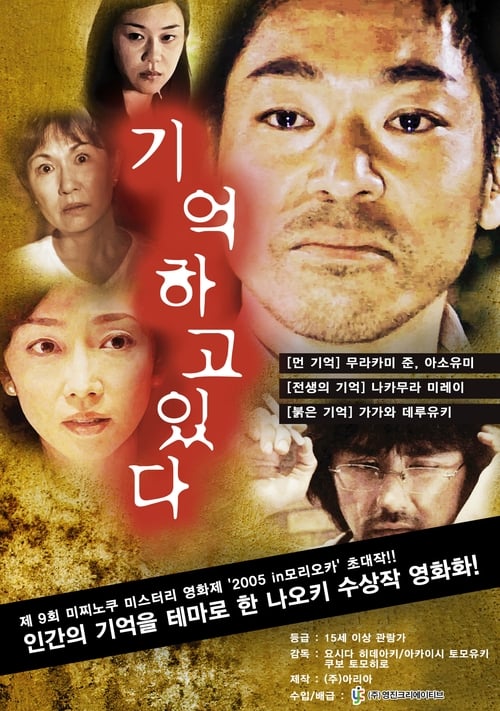
2005
No reviews yet. Be the first to share your thoughts on this movie!
Use the rating form above to leave a star rating and optional review.