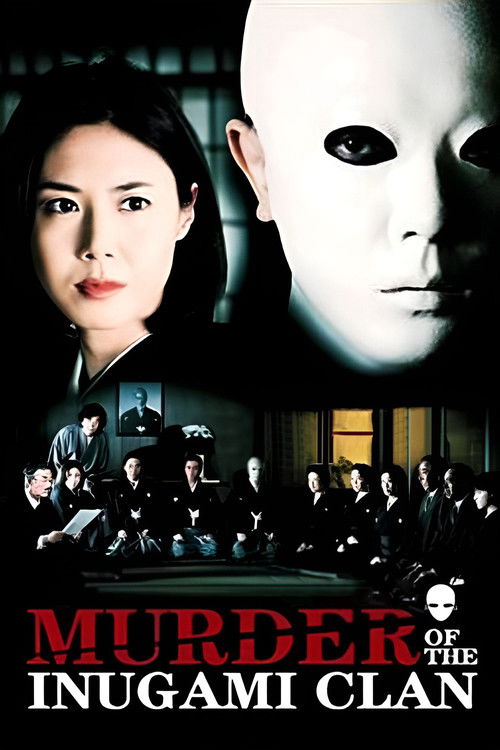
Murder of the Inugami Clan
2006
No user ratings available yet
Representation score: 4.0 out of 10
Representation Score
Fair
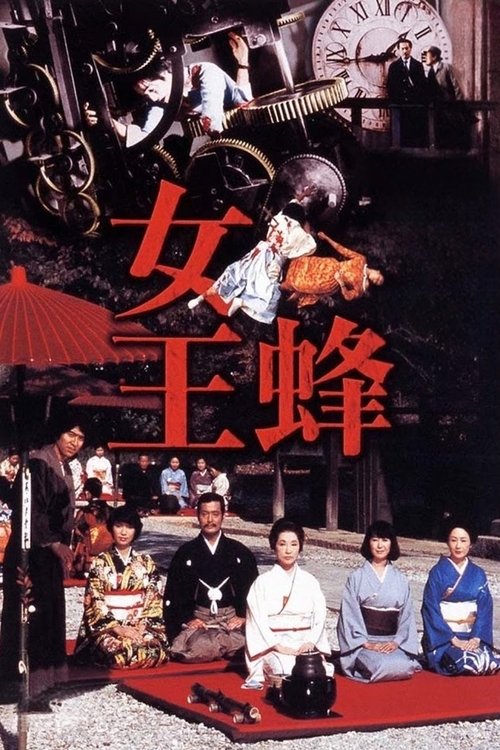
1978
Director
Kon Ichikawa
Runtime
140 minutes
Average Rating
No ratings yetNew Showbiz Analysis
Kon Ichikawa’s thriller serves as a sophisticated deconstruction of social and familial power dynamics. Rather than relying on modern demographic markers, the film finds its depth in the psychological complexity of its characters and the corruption of high-status lineages. The narrative prioritizes a critique of institutional stability. By exposing the secrets of the Daidoji family, the film challenges the perceived sanctity of the traditional household and the rigid expectations of the upper class. While the film lacks explicit representation of certain identities, its strength lies in its moral relativity and its willingness to dismantle traditionalist archetypes through a lens of systemic dysfunction.
Category Breakdown
The film does not explicitly include LGBTQ+ characters or relationships. It touches on repressed desires and social taboos but does not confirm specific LGBTQ+ identities.
The story challenges traditional gender roles by focusing on the fractures within a wealthy patriarchal estate. It highlights the ability to act and potential volatility of the women involved.
The production features a culturally homogeneous Japanese cast. It focuses on class and lineage issues within Japan rather than exploring racial diversity.
The narrative critiques the sanctity of the traditional family unit and upper-class stability. It portrays established social structures as inherently corrupt or performative.
There is no documented evidence regarding the portrayal of physical or neurodivergent disabilities within the film.
Present on Screen
Limited or Absent
Official Synopsis
To solve the mystery of a murder of an old governess which takes place at a wealthy Daidoji family's country estate, family secrets and lies dating back several generations must be sorted out once and for all.
2006
1977
1979
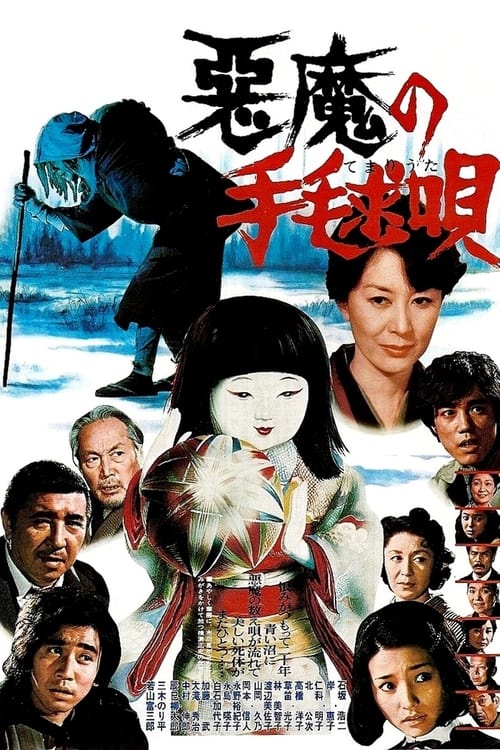
1977
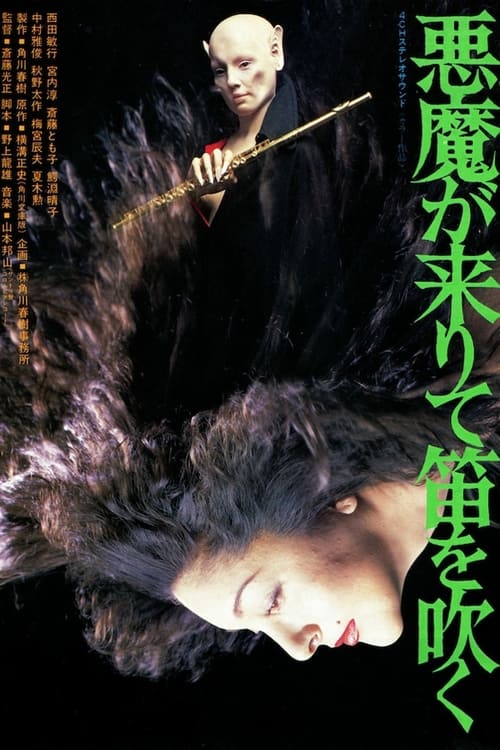
1979
1974
1991
1977
No reviews yet. Be the first to share your thoughts on this movie!
Use the rating form above to leave a star rating and optional review.