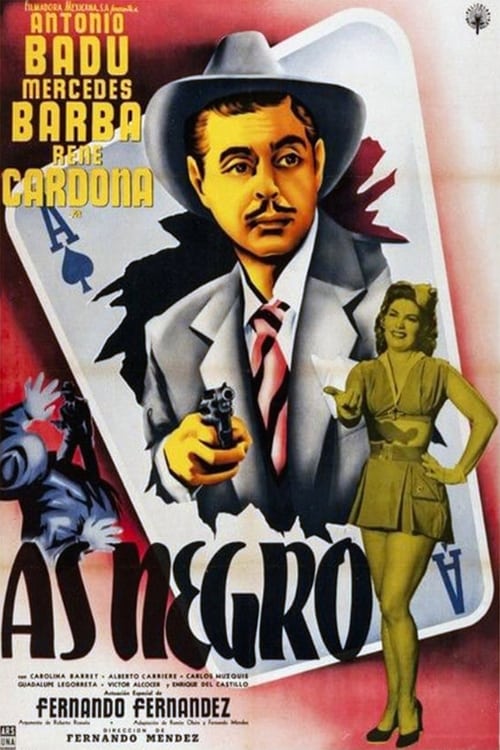
As negro
1954
No user ratings available yet
Representation score: 2.4 out of 10

Representation Score
Fair
1962
Director
Ruy Guerra
Runtime
100 minutes
Average Rating
No ratings yetNew Showbiz Analysis
Ruy Guerra’s film critiques the decline of the upper class. It uses a storyline involving blackmail and financial struggles to break down social hierarchies and explore the tension between personal desires and economic pressures. The characters navigate the collapse of traditional wealth through opportunistic and antisocial behavior. This focus on situational ethics contrasts with traditional stories that emphasize virtuous behavior. While the film challenges Western-centric storytelling through its Cinema Novo roots, it still lacks explicit representations of diverse identities, focusing more on class instability and moral ambiguity.
Category Breakdown
The film doesn't explicitly show LGBTQ identities, but it hints at challenging traditional views of marriage and family through the use of secret affairs and compromising photos.
Leda drives the plot through her personal life. The film turns stereotypes on their head by showing male characters as selfish and unreliable rather than strong leaders.
This Cinema Novo film operates outside Anglo-Saxon norms. It likely highlights Brazil's diverse population by contrasting the lives of the urban elite with those of various social classes.
The story criticizes capitalist systems and traditional family values. It explores moral ambiguity through the actions of characters who turn to crime after facing financial ruin.
There is no depiction of disability in the film.
Present on Screen
Limited or Absent
Official Synopsis
Upon learning that his rich dad is on the brink of bankruptcy, spoiled Vavá summons his friend Jandir with a plan to get some quick cash: they will blackmail an uncle of Vavá by taking compromising photos of his lover, Leda.
1954
1955

1952

2011

1950

1964
1954

1972
No reviews yet. Be the first to share your thoughts on this movie!
Use the rating form above to leave a star rating and optional review.