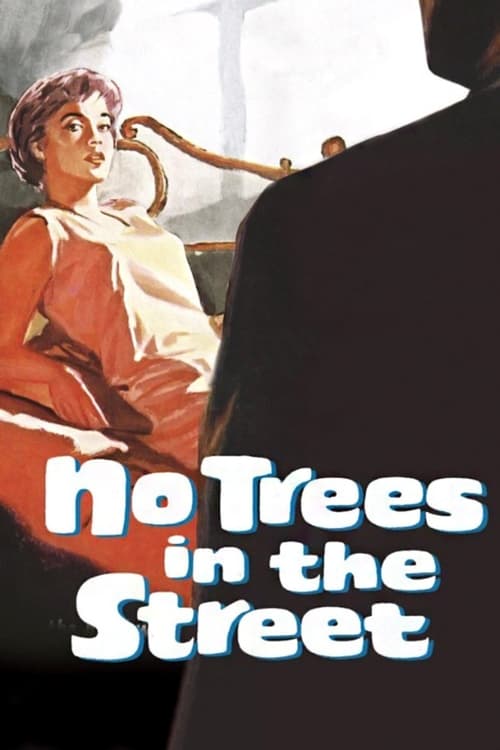
No Trees in the Street
1959
No user ratings available yet
Representation score: 2.4 out of 10

Representation Score
Limited
1950
Director
Lars-Eric Kjellgren
Runtime
102 minutes
Average Rating
No ratings yetNew Showbiz Analysis
While the City Sleeps offers a gritty look at the fringes of urban life, its diversity is limited by the era's social norms. The film's strength lies in its subversion of the 'ideal citizen' archetype, presenting a protagonist who rejects traditional industriousness. However, the narrative remains largely homogeneous, focusing on male-centric criminal dynamics and lacking visible racial or LGBTQ+ representation. Ultimately, the film is a study of social friction rather than multi-layered identity, providing a critique of stability through the lens of delinquency.
Category Breakdown
The film does not include any explicit LGBTQ+ characters or narratives. The story revolves around the criminal underworld and interpersonal dynamics within a traditional social setting.
The narrative centers on a male protagonist and his interactions with other men. Female characters appear to serve as a domestic backdrop without significant influence.
The film reflects a homogeneous social environment typical of 1950s Sweden. There is no evidence of racial blending or non-white casting in the narrative.
The film disrupts mid-century moralism by centering on an unemployed protagonist. It critiques traditional social structures by focusing on the underworld rather than institutional order.
There is no information available regarding the depiction of physical or neurodivergent disabilities.
Present on Screen
Limited or Absent
Official Synopsis
Jompa is unemployed - and not keen on getting a job. He still lives with his parents who are tired of his attitude about employment and regular hours. Jompa and his friends spend their time at nightclubs, cafés and doing petty crimes. While playing poker, Jompa becomes indebted to the criminal Kalle Lund. Of course, Jompa is unable to pay, but Kalle gives him a tip: an old fetcher has always a lot of money at home, and if Jompa could get his hands on the money, his troubles would disappear... Plot by Mattias Thuresson.
1959

1949

1952
1955

1957
1950
1958
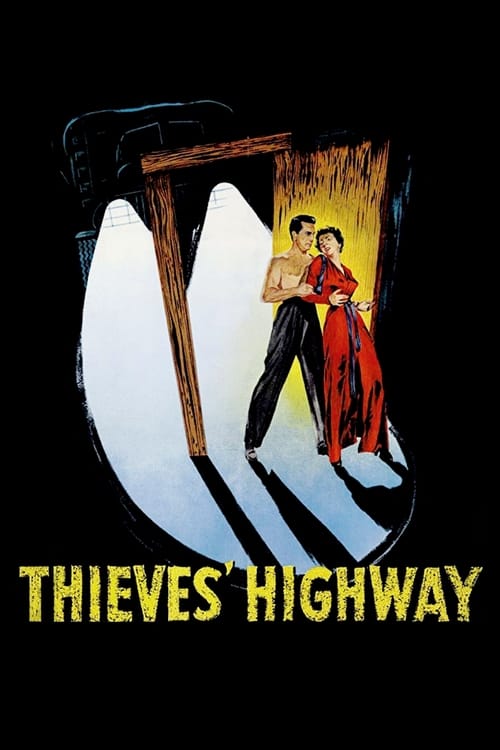
1949
No reviews yet. Be the first to share your thoughts on this movie!
Use the rating form above to leave a star rating and optional review.