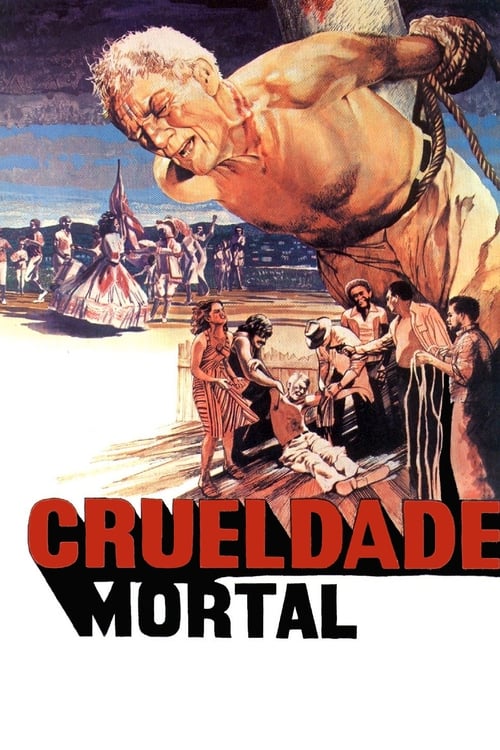
Deadly Cruelty
1976
No user ratings available yet
Representation score: 3.5 out of 10
Representation Score
Limited
1952
Director
Jorge Ileli, Paulo Wanderley
Runtime
88 minutes
Average Rating
No ratings yetNew Showbiz Analysis
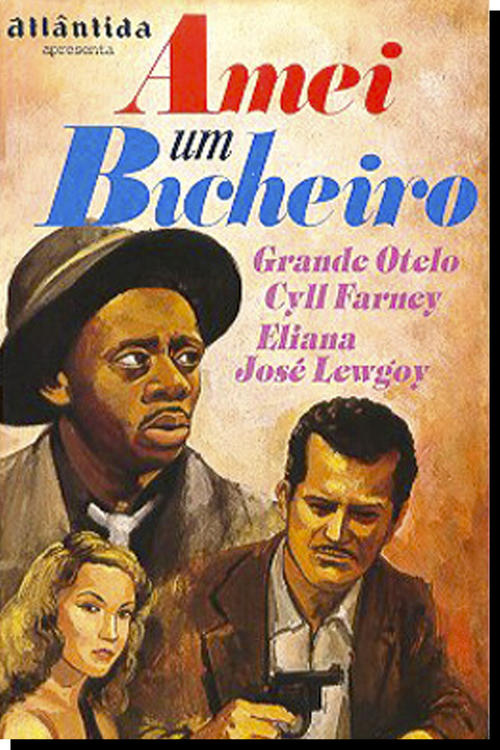
I Loved a Bookie operates as a typical mid-century crime drama. Its narrative structure emphasizes conventional social hierarchies and traditional romantic goals. The film adheres to the era's dramatic conventions without attempting to disrupt them. The protagonist's journey is driven by traditional motivations of economic advancement and providing for a partner. This reinforces established domestic hierarchies common to 1950s cinema. While the urban setting of Rio de Janeiro suggests a diverse backdrop, the film lacks specific evidence of characters who reflect more than one aspect of diversity or ability to act for underrepresented groups.
Category Breakdown
The film does not include any characters with LGBTQ+ identities or same-sex intimacy. The plot revolves around a traditional romantic relationship between a man and his fiancée.
Gender roles adhere to mid-century conventions where the male protagonist is the primary economic provider. The female character is portrayed as a beneficiary of his efforts.
The Rio de Janeiro setting offers potential for ethnic diversity. However, the narrative lacks specific evidence of characters of color playing significant roles in the story.
The story follows a classic narrative focused on achieving economic stability. It does not challenge traditional institutions or provide anti-capitalist perspectives.
There is no information indicating the inclusion of characters with physical or neurodivergent disabilities.
Present on Screen
Limited or Absent
Official Synopsis
Intent on offering his fiancée a better life, countryman heads for Rio de Janeiro in search of a place in the sun...
1976

2008

1951
1949
1951
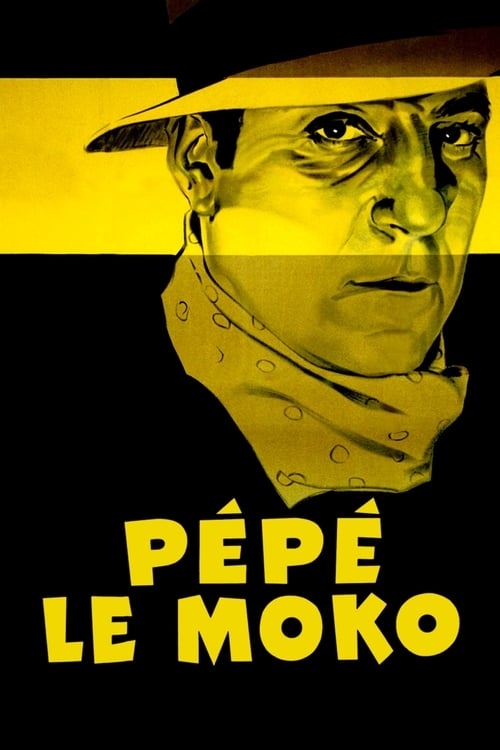
1937
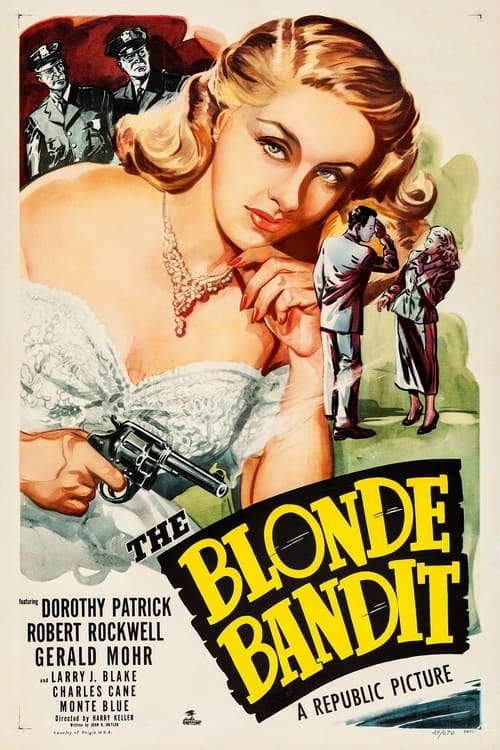
1949
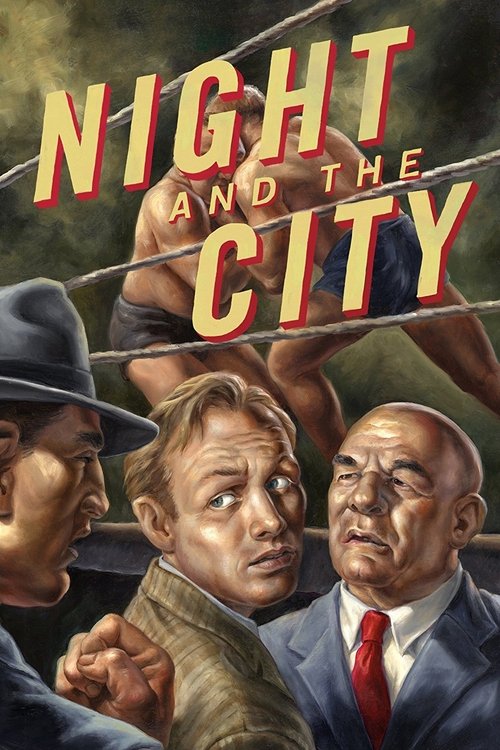
1950
No reviews yet. Be the first to share your thoughts on this movie!
Use the rating form above to leave a star rating and optional review.