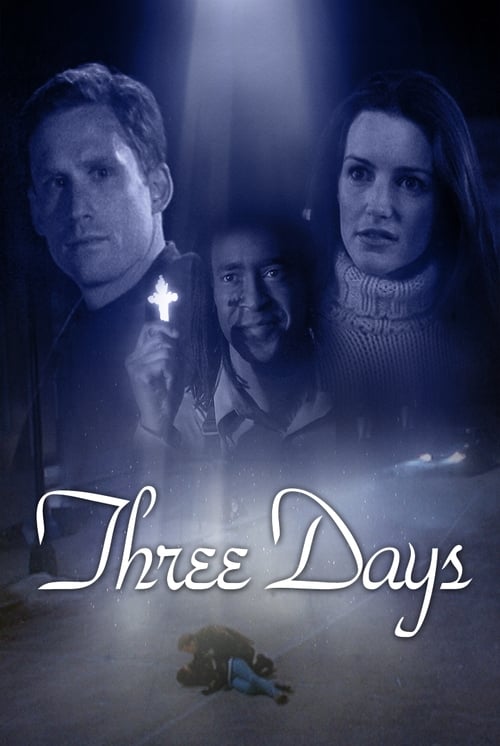
Three Days
2001
No user ratings available yet
Representation score: 2.0 out of 10
Representation Score
Limited
2007
Director
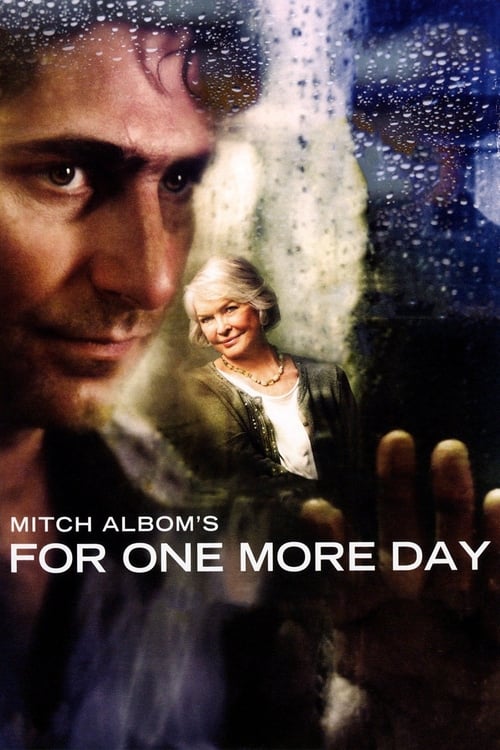
Lloyd Kramer
Runtime
92 minutes
Average Rating
No ratings yetNew Showbiz Analysis
Mitch Albom's For One More Day is a sentimental drama that prioritizes emotional catharsis through a universalized experience of grief. The narrative structure reinforces established social hierarchies and demographic norms rather than disrupting them. The film lacks complexity in its portrayal of diverse identities, focusing instead on a traditional Western, middle-class aesthetic. By centering on a homogeneous cast and conventional familial bonds, the story avoids systemic critique or the inclusion of varied backgrounds. Ultimately, the production serves as a restorative tale of personal responsibility. It relies on traditional archetypes that favor sentimental morality over radical social or political restructuring.
Category Breakdown
The film does not feature any LGBTQ+ characters or explore queer identities. It focuses solely on heterosexual relationships and family structures.
The story relies on traditional gender roles and masculine archetypes. While it criticizes the absentee provider cliché, it does not challenge gender hierarchies or significantly elevate female characters.
The cast is predominantly white, lacking diverse ethnic backgrounds. This reinforces a conventional Western, middle-class aesthetic.
The narrative centers on traditional Western values and the sanctity of the nuclear family. It emphasizes personal moral alignment and familial duty over broader social critique.
The film does not depict physical or neurodivergent disabilities. The protagonist's suicidal thoughts serve as a supernatural plot device rather than a nuanced exploration of mental health.
Present on Screen
Limited or Absent
Official Synopsis
While back in his hometown, a suicidal former baseball player encounters the spirit of his deceased mother, who takes him on a sentimental tour meant to restore his love of life.
2001
2004
2007
1991

1999
2000

2011
1999
No reviews yet. Be the first to share your thoughts on this movie!
Use the rating form above to leave a star rating and optional review.