The Silence of the Dying Fish
2018
No user ratings available yet
Representation score: 7.2 out of 10
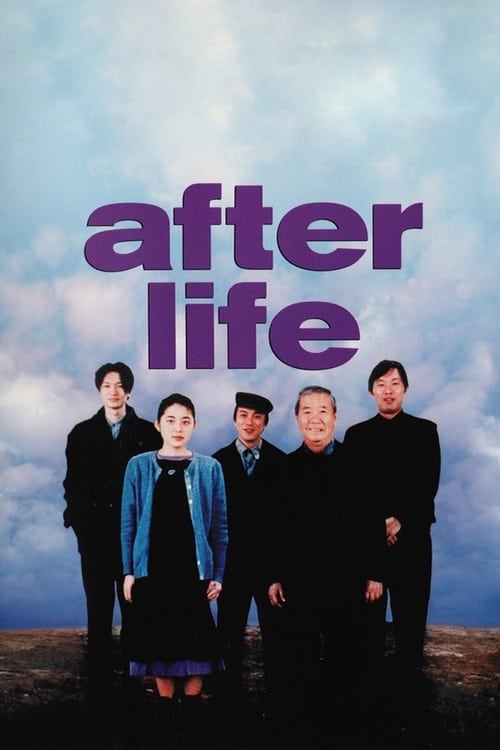
Representation Score
Good
1999
NRDirector
Hirokazu Kore-eda
Runtime
118 minutes
Average Rating
No ratings yetNew Showbiz Analysis
Hirokazu Kore-eda’s film is a philosophical exploration of human existence that prioritizes individual emotional truth over societal milestones. It deconstructs traditional hierarchies of success by valuing personal, subjective memories. The work is deeply humanistic and secular in its approach to the afterlife. However, it remains culturally specific to Japan and lacks the explicit multi-layered identity markers found in contemporary Western media. While the film offers profound insights into the subjective value of life, its lack of diverse identity representation limits its broader social inclusivity.
Category Breakdown
The film does not focus on non-straight or non-cisgender identities. It does not explore same-sex relationships or non-binary gender roles.
Female staff members show strong professional skills and intellectual authority. The film passes the Bechdel test through meaningful conversations about the memory selection process.
The story depicts a homogeneous society typical of its Japanese setting. Diversity is shown through the socioeconomic range of memories rather than ethnic differences.
The film frames the afterlife as a secular, administrative process. It avoids religious doctrine, emphasizing subjective truths over external achievements.
There are no main characters with visible or invisible disabilities. The film touches on the fragility of memory, relating to how humans perceive reality.
Present on Screen
Limited or Absent
Official Synopsis
On a cold Monday morning, a group of counselors clock in at an old-fashioned social services office. Their task is to interview the recently deceased, record their personal details, then, over the course of the week, assist them in choosing a single memory to keep for eternity.
2018
2004

2011

1995

2016

2010

2001
1991
No reviews yet. Be the first to share your thoughts on this movie!
Use the rating form above to leave a star rating and optional review.