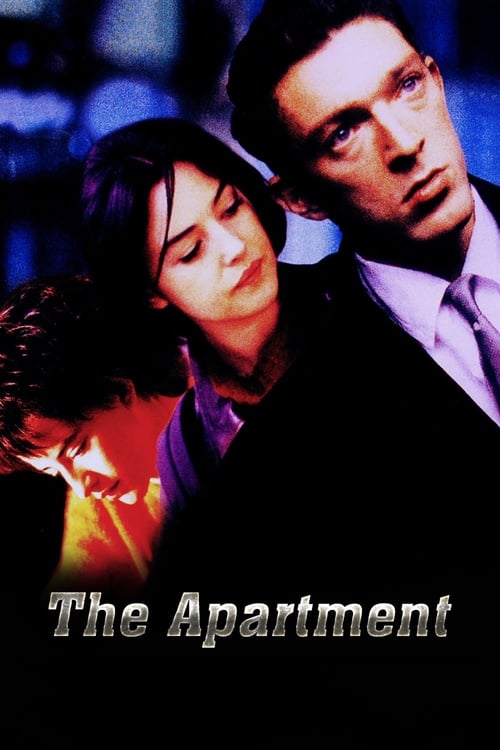
The Apartment
1996
No user ratings available yet
Representation score: 3.6 out of 10
Representation Score
Limited
2000
RDirector
Keith Gordon
Runtime
105 minutes
Average Rating
No ratings yetNew Showbiz Analysis
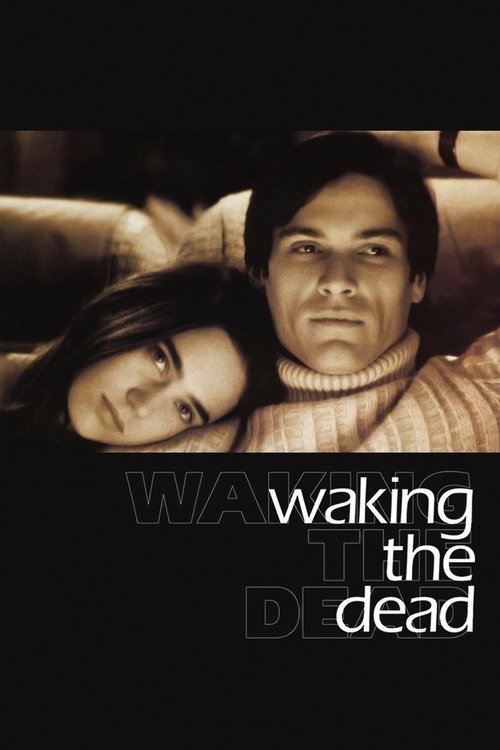
Waking the Dead is a traditional psychological drama that emphasizes individual character development over broader societal issues. The narrative centers on the internal emotional journey of a single protagonist, focusing on personal redemption rather than social commentary. The film adheres to the cinematic conventions of its time, maintaining conventional social hierarchies. By focusing on a white, middle-class demographic and traditional romantic structures, it upholds established social norms. Ultimately, the film serves as a character study of grief and alcoholism. While it addresses these themes with emotional depth, they primarily support the protagonist's journey rather than offering broader insights into disability or diverse identities.
Category Breakdown
The film follows a strictly heterosexual and cisgender perspective. The central storyline revolves around the protagonist's relationship with a presumed deceased female partner, without any hints of LGBTQ+ identities.
Female characters mainly act as emotional catalysts or motivators for the male lead. The plot depends on traditional gender roles where the male protagonist leads the investigation.
The setting and cast predominantly feature white, middle-class professionals. The film creates a homogeneous social environment typical of early 2000s psychological thrillers.
The story delves into personal grief and alcoholism within a Western context. It does not critically examine institutions such as the nuclear family or capitalism.
Mental health and substance abuse are portrayed through the lens of psychological trauma. These elements serve as character obstacles rather than exploring neurodivergent experiences.
Present on Screen
Limited or Absent
Official Synopsis
A congressional candidate questions his sanity after seeing the love of his life, presumed dead, suddenly emerge.
1996
1991

2004

1993

2010

2008

2015

2019
No reviews yet. Be the first to share your thoughts on this movie!
Use the rating form above to leave a star rating and optional review.