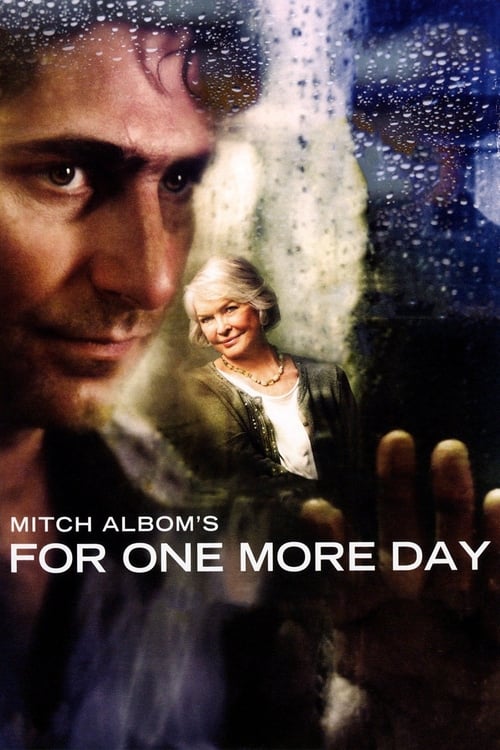
Mitch Albom's For One More Day
2007
No user ratings available yet
Representation score: 2.0 out of 10
Representation Score
Limited
2004
NRDirector
Lloyd Kramer
Runtime
132 minutes
Average Rating
No ratings yetNew Showbiz Analysis
The film is a traditional spiritual drama that emphasizes individual redemption and universal human connection. It relies on a single, homogeneous perspective of the human experience, avoiding exploration of identity politics. While the narrative effectively deconstructs the archetype of the perfect father by highlighting patriarchal abuse, it lacks demographic diversity. The social landscape remains conventional and unchallenging. Overall, the work reinforces established social structures without delving into the multi-layered complexity needed to broaden its perspective.
Category Breakdown
The film focuses on traditional family structures and does not include any non-binary or transgender identities. It also does not critique the assumption that everyone is straight or cisgender.
The story examines the complexities of domestic life through the protagonist's relationship with his wife. While it highlights the negative impact of patriarchal abuse through the father figure, female characters mainly support the male protagonist’s journey towards redemption.
The film presents a predominantly white, working-class community. It does not emphasize the experiences of individuals from different racial backgrounds or cultures.
The narrative revolves around themes of spirituality and human interconnectedness. It focuses on personal growth and moral values without critiquing Western institutions.
The film addresses psychological trauma and the emotional aftermath of war. These elements serve as catalysts for spiritual reflection but do not delve deeply into the lived experience of disability.
Present on Screen
Limited or Absent
Official Synopsis
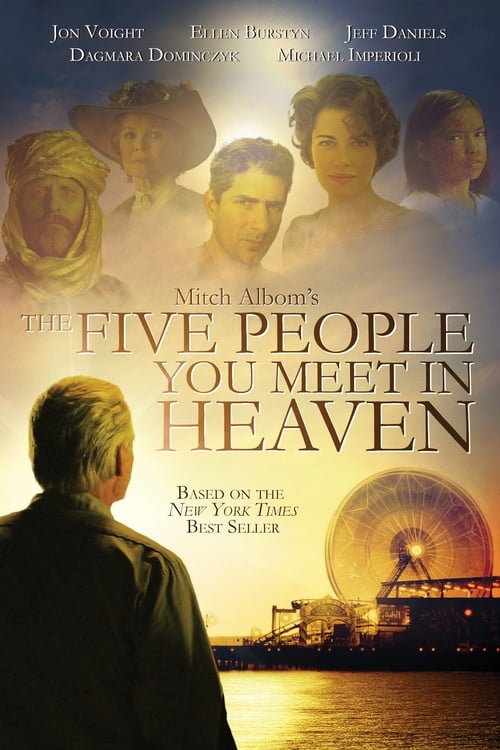
On his 83rd birthday, Eddie, a war vet and a maintenance worker at the Ruby Pier amusement park, dies while trying to save a girl who is sitting under a falling ride. When he awakens in the afterlife, he encounters five people with ties to his corporeal existence who help him understand the meaning of his life.
2007
1999
2010

2010
2014
1991

2015

1995
No reviews yet. Be the first to share your thoughts on this movie!
Use the rating form above to leave a star rating and optional review.