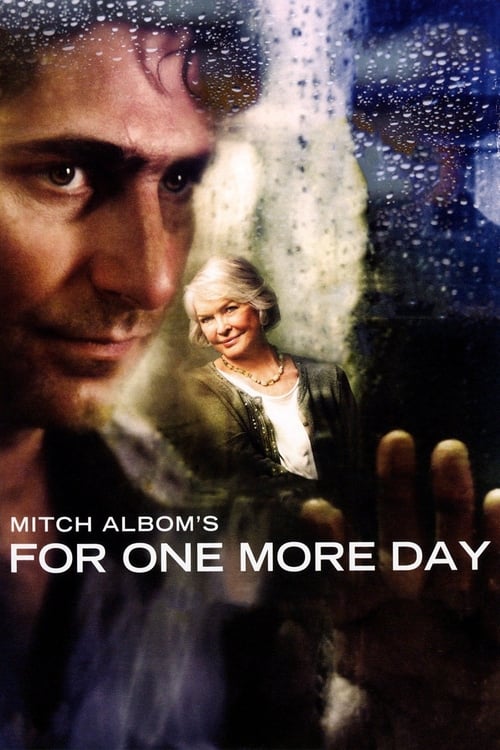
Mitch Albom's For One More Day
2007
No user ratings available yet
Representation score: 2.0 out of 10

Representation Score
Limited
1999
GDirector
Alan Metzger
Runtime
87 minutes
Average Rating
No ratings yetNew Showbiz Analysis
If You Believe is a traditional character study centered on personal redemption. The narrative prioritizes the internal emotional reconciliation of a jaded woman with her childhood self over any systemic social critique. The film adheres to conventional dramatic clichés of the late 90s. It focuses on individualistic healing and professional stability rather than exploring multiple aspects of diversity or disrupting established social hierarchies. Ultimately, the work functions as a sentimental domestic drama. It lacks the breadth of representation required to challenge traditional norms, focusing instead on a singular, restorative character arc.
Category Breakdown
The story focuses on a psychological journey of self-discovery. There are no LGBTQ+ characters or critiques of the assumption that everyone is straight or cisgender.
Susan Stone serves as a central female protagonist navigating professional and familial struggles. The film offers a platform for women's ability to drive the story through her emotional journey.
The film's cast composition is not specified. The narrative appears to follow a potentially homogeneous casting model common to 1999 domestic dramas.
Themes center on individualistic emotional healing within Western narrative traditions. The plot focuses on personal restoration rather than a critique of social or family structures.
The metaphysical concept of an inner child is used for psychological growth. There is no explicit portrayal of neurodivergence or physical disability as a central driver.
Present on Screen
Limited or Absent
Official Synopsis
Bah! Humbug! Susan Stone is definitely what you'd call a modern-day scrooge. She is a young, jaded book editor who is consumed with self-doubt and has lost the passion and drive that defined her childhood persona. On the verge of losing her job and being completely on the "outs" with her family, Susan has nearly given up on happiness. Out of nowhere, a cheerful, carefree seven-year-old girl named Suzie awaits Susan back at her apartment. It turns out that little Suzie is the embodiment of Susan's inner child, she is Susan as she once was years ago. Suzie has come to help the adult Susan rediscover and recapture the love of life that she's lost.
2007

1985

1989

1984

1983

1995

1999

2011
No reviews yet. Be the first to share your thoughts on this movie!
Use the rating form above to leave a star rating and optional review.