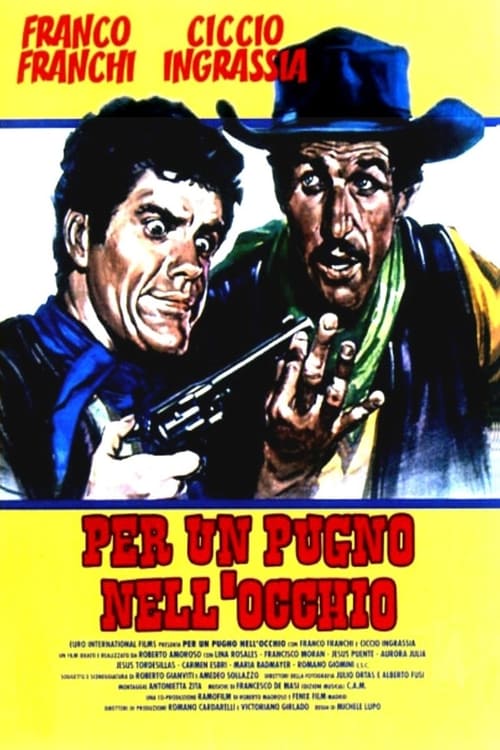
Fistful of Knuckles
1965
No user ratings available yet
Diversity score: 2.8 out of 10
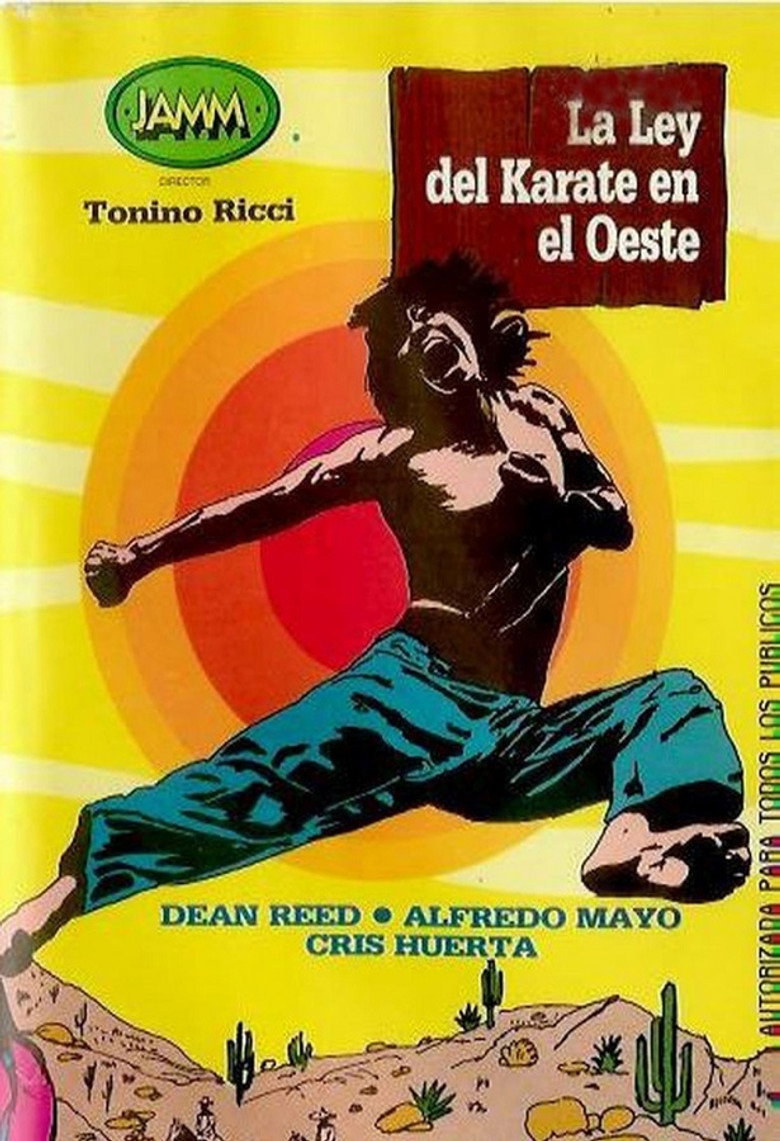
1973
Director
Tonino Ricci
Runtime
92 minutes
Average Rating
No ratings yetSynopsis
Sam and Buddy, two highway robbers, join with Colonel Quint, a big crook, who sold his services to Morgan, the banker, in order to free Baby, the banker's daughter, abducted by Espartero and his killers gang. A plan to 'sell' fake dollars to Espartero goes awry, but the two sons of the forger join Quint, and so does Mokaiko, a brave Japanese cook. The rag-tag band of Quinlan meets Espartero in several scraps, and then a climactic confrontation. All are ugly, bad, and dirty (except Baby), and fight accordingly.
Overall Score
Limited
Category Breakdown
LGBTQ+ Representation
The film lacks LGBTQ+ characters or narratives addressing non-cisnormative identities. Character dynamics focus on traditional masculine archetypes common to the Western comedy genre.
Gender Representation
Gender roles follow conventional 1970s hierarchies. The female character, Baby, serves as a passive figure to be rescued rather than an active agent in the plot.
Racial & Ethnic Diversity
Moderate ethnic inclusion is present through Mokaiko, a Japanese cook. This provides a layer of diversity within the Western setting, though his specific agency is unclear.
Religious & Cultural Diversity
The film utilizes the moral relativism of Spaghetti Westerns, featuring 'ugly, bad, and dirty' protagonists. It functions within standard outlaw comedy frameworks without systemic critique.
Disability Representation
There is no mention of characters with visible or invisible disabilities. The narrative does not appear to include disability as a plot device.
Strengths
Areas for Improvement
AI Analysis
Karate, Fist and Beans operates primarily as a genre-driven comedy that relies on established Spaghetti Western tropes. While it avoids the 'pure hero' archetype by presenting a gritty, morally ambiguous ensemble, it does little to disrupt traditional social hierarchies. The film's diversity is limited by its reliance on conventional character roles. While the inclusion of a Japanese cook provides some ethnic variety, the central narrative engine is driven by masculine-centric agency and a standard rescue motif.
1965
1964
1973

1972
1965
1970
1970
1970
1974
1947

1971
1969
No reviews yet. Be the first to share your thoughts on this movie!
Use the rating form above to leave a star rating and optional review.