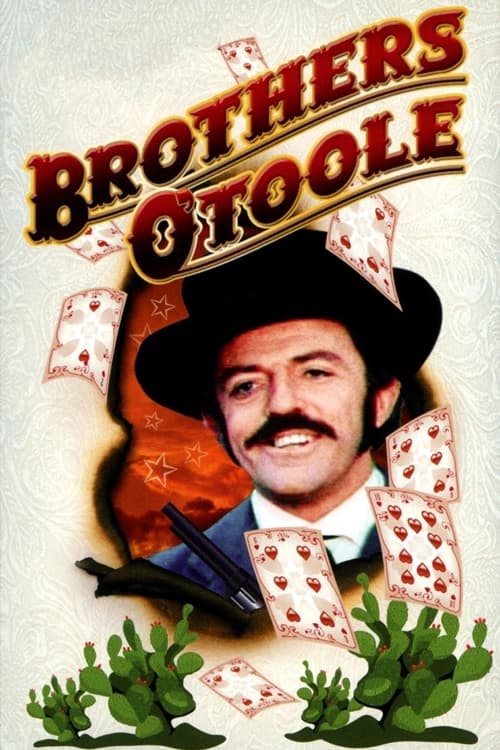
Brothers O'Toole
1973
No user ratings available yet
Representation score: 2.3 out of 10
Representation Score
Limited
1969
PGDirector
Hy Averback
Runtime
98 minutes
Average Rating
No ratings yetNew Showbiz Analysis
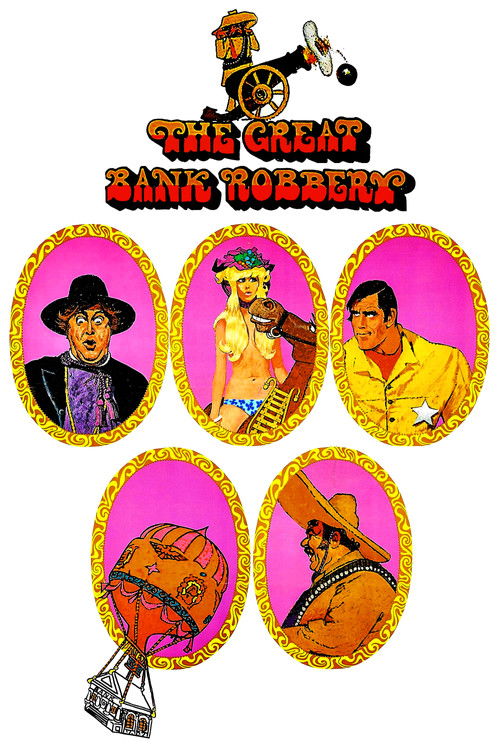
The Great Bank Robbery blends genres to create a Western comedy that prioritizes satirical subversion over diverse representation. While it effectively critiques institutional authority through its portrayal of fraudulent religious figures, it remains tied to traditional Western clichés. The narrative structure leans heavily on masculine archetypes and historical casting norms. The focus on a group of male leaders and bank-controlling brothers suggests a lack of gender and racial diversity typical of 1960s genre films. Ultimately, the film offers a localized social critique rather than a broad overhaul of systemic hierarchies. It functions as a comedic deconstruction of religious sanctity rather than a diverse character study.
Category Breakdown
The film does not include non-binary or LGBTQ+ identities. It focuses on traditional masculine roles, particularly among the fraudulent church leaders.
The story is dominated by male characters, especially among the leaders and those controlling the bank. There are no high-profile female roles.
Set in 1880s Texas, the film likely adheres to the homogeneous casting conventions of the time. No non-white characters are central to the plot.
The film uses satire to critique organized religious authority. By portraying phony church leaders, it challenges traditional notions of sanctity through a lens of moral ambiguity.
There is no documented evidence regarding the inclusion of characters with visible or invisible disabilities.
Present on Screen
Limited or Absent
Official Synopsis
A motley group of phony church leaders attempts to rob a bank controlled by brothers in 1880's Texas.
1973
1960
1960
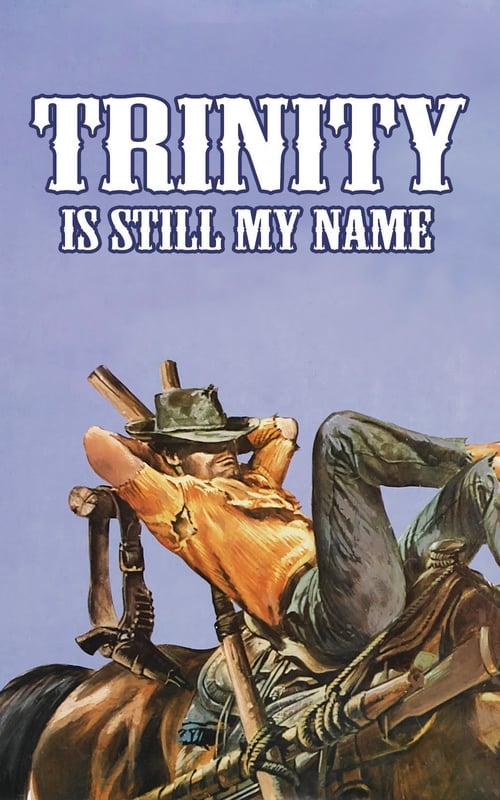
1971
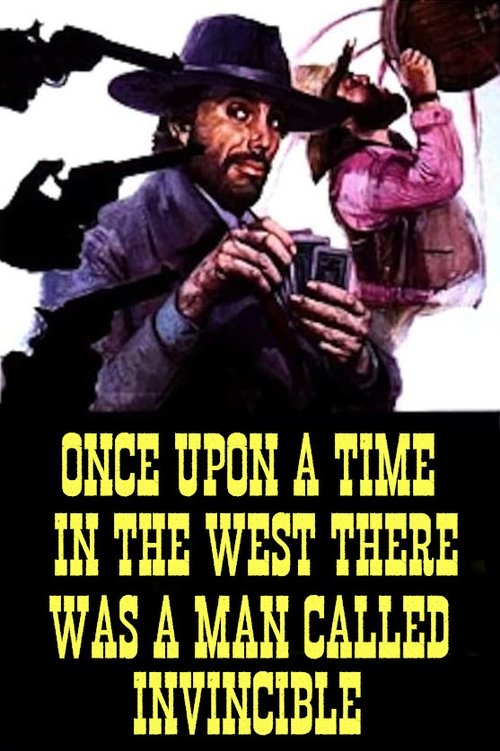
1973
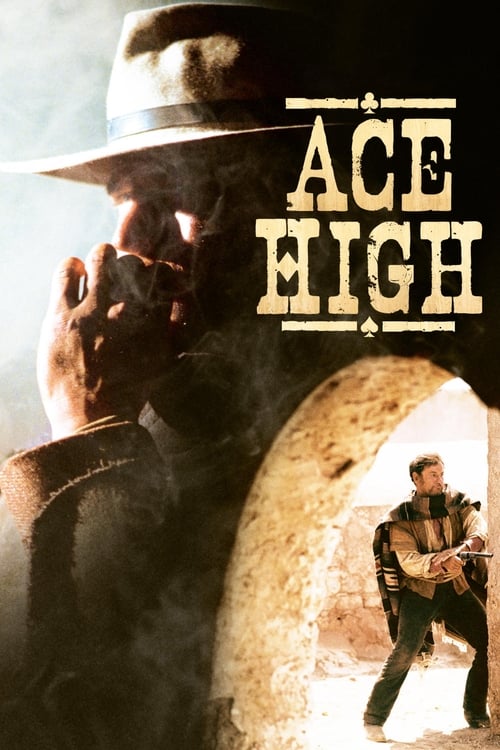
1968
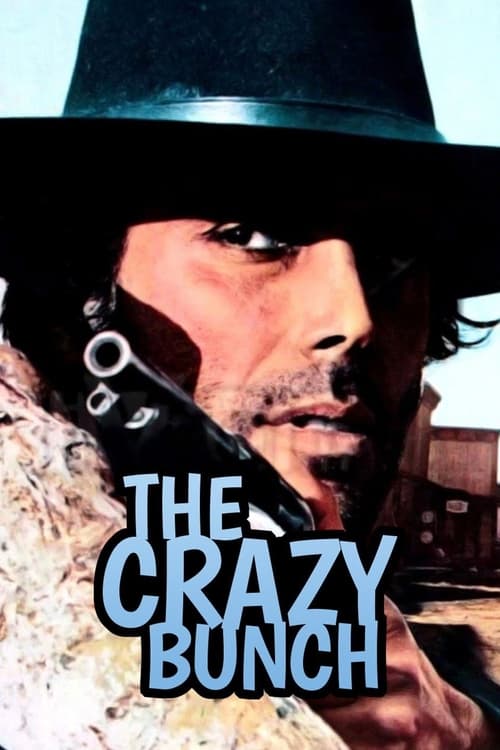
1974
1975
No reviews yet. Be the first to share your thoughts on this movie!
Use the rating form above to leave a star rating and optional review.