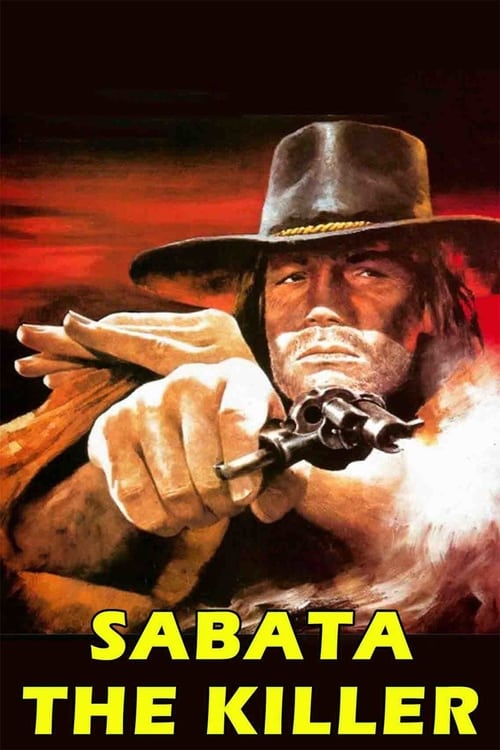
Sabata the Killer
1970
No user ratings available yet
Representation score: 0.5 out of 10
Representation Score
Minimal
1970
NRDirector
Giuliano Carnimeo
Runtime
93 minutes
Average Rating
No ratings yetNew Showbiz Analysis
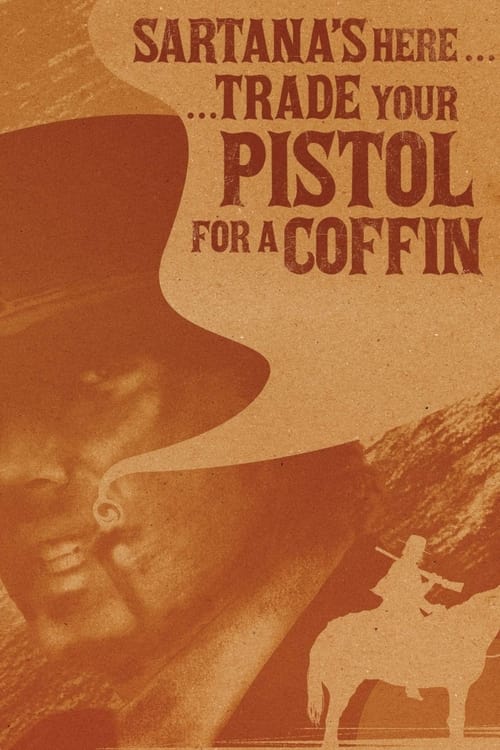
Sartana's Here... Trade Your Pistol for a Coffin is a classic genre film that emphasizes stylistic innovation over social representation. The film centers on the individual pursuit of wealth and survival within a mythical Western setting. While it challenges traditional institutions through vigilantism and moral ambiguity, it adheres to the demographic and gender norms of its time. Its strength lies in its postmodern play with Western themes rather than progressive social engagement.
Category Breakdown
The film does not include any LGBTQ+ characters or identities that challenge heteronormativity. It follows the traditional gender roles and relationships typical of the 1970s.
Women in the film mainly serve secondary roles and motivations for male characters. They rarely demonstrate intellectual or physical independence.
The cast is mostly white, reflecting the demographic uniformity common in Spaghetti Westerns. The film keeps a traditional focus on Anglo characters without giving much importance to characters of color.
The story explores moral relativism through a protagonist who prioritizes personal ethics over legal or religious rules. However, it doesn't have an explicit anti-Western political stance.
The film does not represent physical or neurodivergent disabilities. Characters are defined mainly by their capacity for violence and physical strength.
Present on Screen
Limited or Absent
Official Synopsis
Sartana, bounty hunter and gunfighter, witnesses the robbery of a shipment of gold. He finds his way into town where he meets with a lot of suspicious stares from the locals. He also meets with Samuel Spencer, who seems to own the company in this company town. The gold shipments are being stolen, so Spencer agrees to hire Sartana to protect the next gold shipment. Numerous dull-witted villains make attempts on Sartana's life, but he survives. Eventually, Sartana's nemesis Sabbath (he of the white coat and parasol) rides into town. With a showdown inevitable, Sartana and Sabbath square off to settle the score.
1970
1969
1973
1967
1970
1968

1970
1966
No reviews yet. Be the first to share your thoughts on this movie!
Use the rating form above to leave a star rating and optional review.