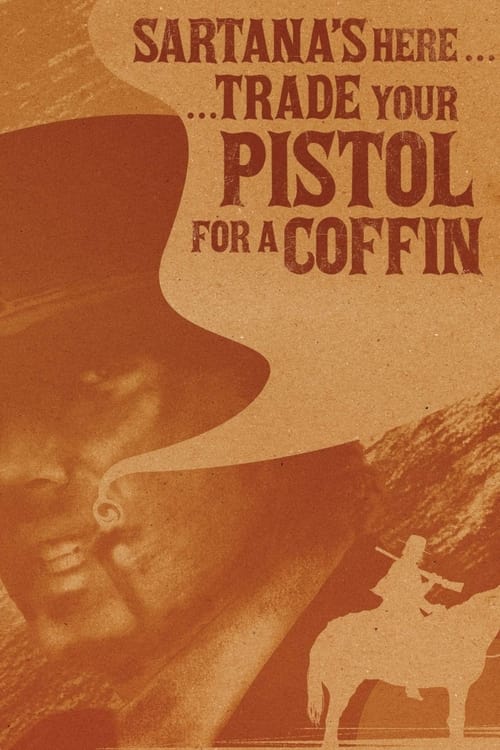
Sartana's Here... Trade Your Pistol for a Coffin
1970
No user ratings available yet
Representation score: 1.5 out of 10
Representation Score
Minimal
1970
Director
Tulio Demicheli
Runtime
87 minutes
Average Rating
No ratings yetNew Showbiz Analysis
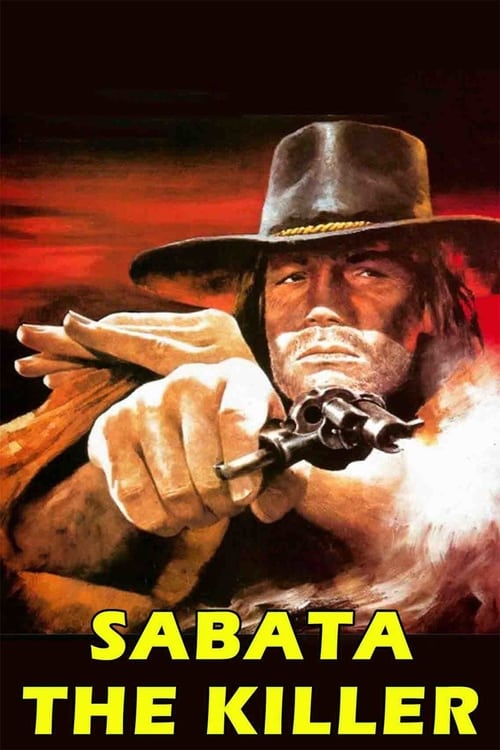
Sabata the Killer is a classic example of Spaghetti Western filmmaking that emphasizes traditional genre elements over social critique. The film centers on masculine competition and racial homogeneity, offering limited space for diverse perspectives or non-traditional identities. The narrative structure reinforces the status quo of its era by focusing on male-driven action and traditional frontier justice. The film does not challenge the established Western genre boundaries, instead adhering to its exclusionary norms.
Category Breakdown
The film follows strict conventions from the 1970s, assuming everyone is straight and cisgender. There is no indication of non-binary or same-sex relationships.
Male characters play the primary roles and have significant control over the story. Women have minor, passive roles that support the male-dominated storyline.
The cast is mostly white, reflecting the typical portrayal of the Old West during this time. The film lacks characters from diverse racial backgrounds who play important roles.
The film sticks to common Western themes of frontier justice and bounty hunting. It does not question the institutions or capitalist structures of the West.
The film does not focus on physical or neurological disabilities. Characters are defined by their combat skills rather than their sensory or physical experiences.
Present on Screen
Limited or Absent
Official Synopsis
After giving a ride to a man who recently ripped-off his thieving business partner, Sabata and his buddy are unaware that a group of men have been hired to kill them and bring back the loot!
1970
1967
1971
1967
1973
1969
1970
1973
No reviews yet. Be the first to share your thoughts on this movie!
Use the rating form above to leave a star rating and optional review.