
The Prisoner
1955
No user ratings available yet
Representation score: 1.2 out of 10
Representation Score
Minimal
1950
NRDirector
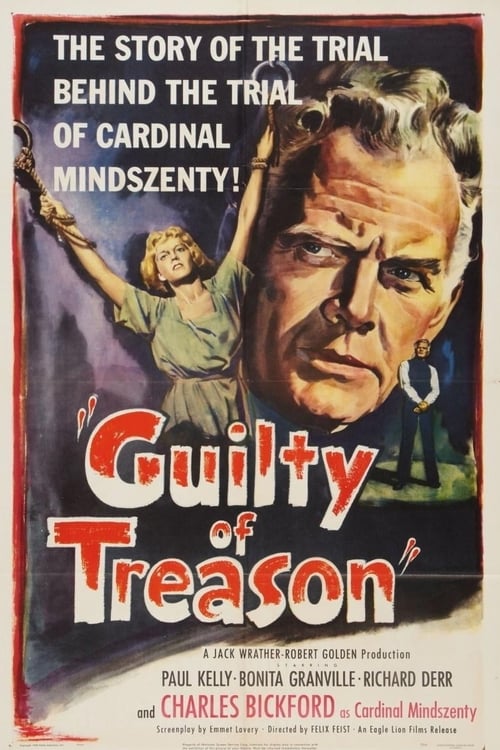
Felix E. Feist
Runtime
86 minutes
Average Rating
No ratings yetNew Showbiz Analysis
Guilty of Treason is a mid-century biographical drama that upholds traditional Western hierarchies. The narrative structure emphasizes the intersection of religious authority and male leadership, offering limited complexity in representing diverse identities. The film focuses on the political and religious struggles of a high-ranking official, reflecting the era's emphasis on singular, institutional perspectives rather than systemic critiques.
Category Breakdown
The film does not depict any non-straight identities or same-sex relationships. It stays within the confines of traditional heterosexual and religious norms of the 1950s.
The story revolves around a single male protagonist who drives the plot. The narrative emphasizes the political and religious authority of male figures within male-dominated institutions.
Set in Hungary, the film features a Hungarian protagonist providing a non-Anglo-Saxon perspective. However, the focus remains on Eurocentric ethnic identities.
The film is centered around the Roman Catholic Church. It highlights religious morality and institutional loyalty as the main sources of moral authority.
There is no information about the depiction of physically or neurodivergent characters in this work.
Present on Screen
Limited or Absent
Official Synopsis
The story of Cardinal Josef Mindzhenty, a Roman Catholic cardinal from Hungary who spoke out against both the Nazi occupation of his country during World War II and the Communist regime that replaced it after the war.
1955

1952
1963
1981
1993

1965
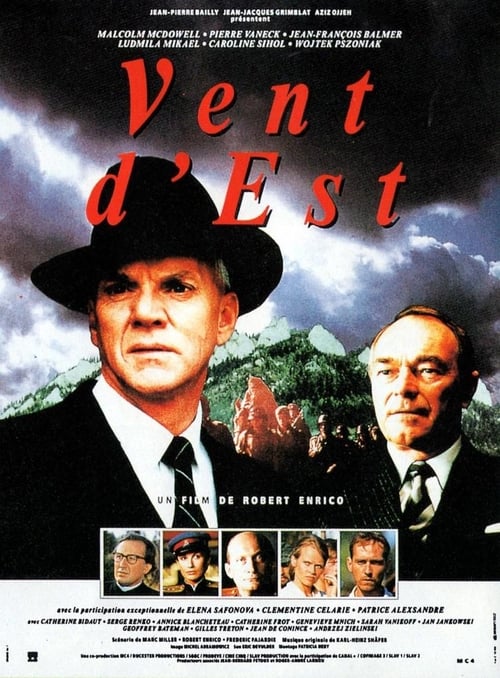
1993

1943
No reviews yet. Be the first to share your thoughts on this movie!
Use the rating form above to leave a star rating and optional review.