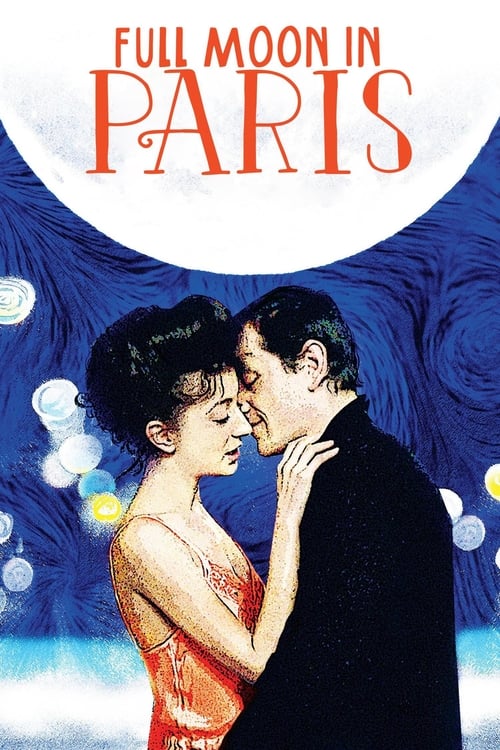
Full Moon in Paris
1984
No user ratings available yet
Representation score: 5.1 out of 10
Representation Score
Limited
1986
RDirector
Éric Rohmer
Runtime
99 minutes
Average Rating
No ratings yetNew Showbiz Analysis
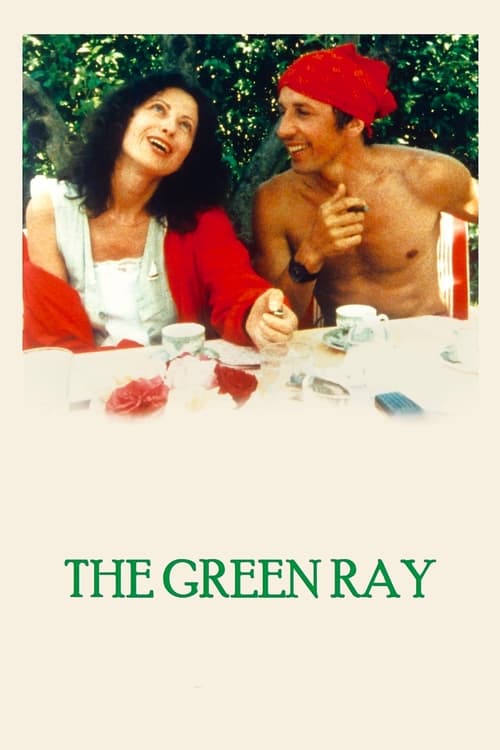
The Green Ray is a character-driven film that highlights female intellectual and emotional independence. By focusing on Delphine's internal world, the film challenges traditional gender roles and romantic conventions. However, the film lacks diversity in other areas. The cast is homogenous, reflecting a specific localized setting, and there is no representation of LGBTQ+ identities or disabilities. Ultimately, the film's strength lies in its subversion of traditional gender roles, despite being constrained by the era's limitations regarding racial and LGBTQ+ diversity.
Category Breakdown
The film focuses solely on heterosexual relationships and does not include any LGBTQ+ identities or subtext.
Delphine is the main character driving the film's philosophical exploration. The narrative challenges traditional gender roles by showing male characters as emotionally inadequate compared to her strong presence.
The cast is predominantly white and reflects the specific social context of a mid-1980s French seaside town. It does not include diverse racial or ethnic backgrounds.
The film delves into subjective truths and existential questions rather than following religious doctrines. It emphasizes the protagonist's personal understanding of reality and mystical experiences.
There are no visible or hidden disabilities shown in the film.
Present on Screen
Limited or Absent
Official Synopsis
A lonely Parisian woman comes to terms with her isolation and anxieties during a long summer vacation.
1984
1974

1998
1992
1970
1986
1972

1972
No reviews yet. Be the first to share your thoughts on this movie!
Use the rating form above to leave a star rating and optional review.