
A Man and a Woman
1966
No user ratings available yet
Representation score: 4.2 out of 10
Representation Score
Limited
1961
NRDirector
Alain Resnais
Runtime
95 minutes
Average Rating
No ratings yetNew Showbiz Analysis
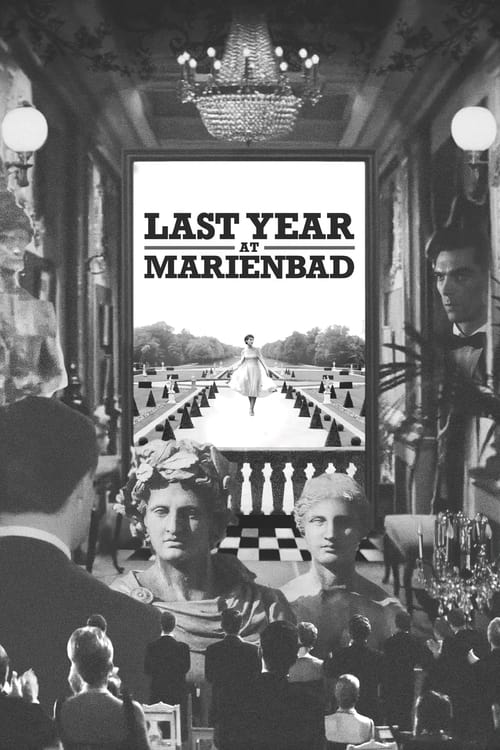
Alain Resnais's masterpiece is a formalist triumph that prioritizes psychological abstraction over linear storytelling. It succeeds in deconstructing the reliability of memory and the authority of objective truth, offering a sophisticated, postmodern perspective on human perception. However, the film's demographic scope is extremely narrow. It is confined to a vacuum of Western, high-society luxury, which limits its multi-layered depth. The lack of racial, ethnic, and LGBTQ+ representation keeps the score low despite its intellectual progressivism. Ultimately, the film is a study of class-specific, European aesthetics. While it challenges traditional romantic clichés through the female lead's active role, it remains a product of its specific, homogeneous cultural milieu.
Category Breakdown
The film focuses solely on the ambiguous relationship between two main characters. It does not include any explicit depictions of non-straight or non-cisgender identities or same-sex relationships.
The female lead avoids traditional passive roles by maintaining intellectual skepticism. She exerts a significant role in driving the story by resisting the male protagonist's attempts to impose a shared history.
The setting is a homogeneous, Eurocentric aristocratic milieu. The cast reflects a high-society European environment with no evidence of racial or ethnic diversity.
The narrative excels by treating truth as a fluid, subjective construct. However, it remains rooted in Western aesthetic traditions without engaging in systemic critiques.
The story centers on psychological abstraction and memory. No physical or neurodivergent disabilities are portrayed as central character traits or plot devices.
Present on Screen
Limited or Absent
Official Synopsis
At a weekend gathering, a man tells a woman that they had spent time there together a year prior. But, the woman has no recollection whatsoever and is convinced that he is simply fabricating the encounter. The more he speaks about their activities the previous year however, the more compelling he becomes. The question remains however – did they meet previously or not?
1966

1961
1973
1948
2010
1962
1986
1961
No reviews yet. Be the first to share your thoughts on this movie!
Use the rating form above to leave a star rating and optional review.