Lost Book Found
1996
No user ratings available yet
Representation score: 8.3 out of 10
Representation Score
Excellent
1990
Director
Robert Frank
Runtime
60 minutes
Average Rating
No ratings yetNew Showbiz Analysis
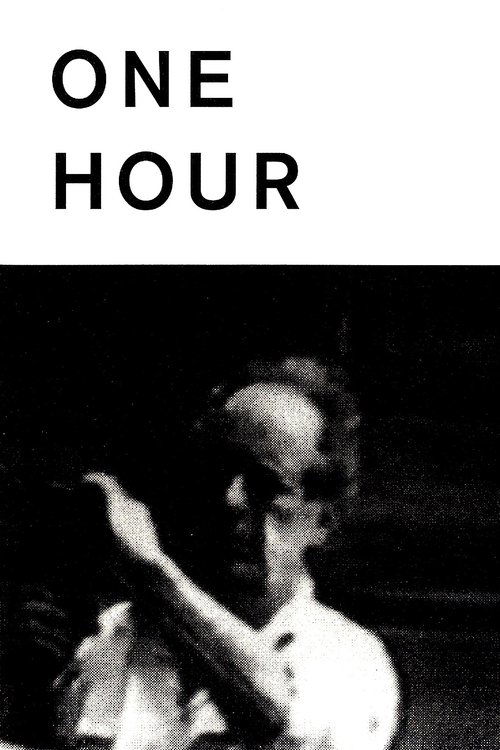
One Hour captures the raw reality of 1990s Manhattan using a continuous, handheld camera technique. It offers an unfiltered look at various social groups through an observational lens. By focusing on the everyday rather than heroic moments, the film provides a rich, organic portrayal of the Lower East Side's diversity. However, specific identity markers for LGBTQ+ and disabled individuals are often implicit rather than central in the film's narrative.
Category Breakdown
The film doesn't explicitly highlight LGBTQ+ stories but allows for non-traditional social interactions among characters in the urban setting.
The film presents men and women as equals, showing them as unscripted participants in the chaotic city life without emphasizing traditional gender roles.
The documentary portrays the Lower East Side as a diverse community where people of different races have ability to act and play active roles in everyday settings.
The film highlights the gritty reality of street life, capturing the breakdown of traditional social order and the impact of capitalism in an authentic manner.
While the film does not focus on neurodivergence or physical disabilities, it captures the varied rhythms of life as a natural part of the urban environment.
Present on Screen
Limited or Absent
Official Synopsis
One of the longest handheld tracking shots in film history, It’s Real documents an hour in the street life of downtown Manhattan. Not only is it a unique record of a particular time and place—July 26, 1990, from 3:45 to 4:45 p.m. in the Lower East Side near Robert Frank’s studio (we note in a Daily News headline that after some 20 years the Zodiac killer still hasn’t been identified)—it’s also an experiment in fragmentary language, gesture, and life caught unawares. Snippets of dialogue captured in passing at phone booths and crosswalks, in alleyways, subways, and diners—chance encounters, only presumably, with people going about their day—have something of the aleatory cut-up technique of the Dadaists in the 1920s and William Burroughs and Byron Gysin in the 1950s, an effort to divine new and deeper meanings in ordinary life. — Museum of Modern Art
1996
1929
2004

1927
1988
1986
2013

1965
No reviews yet. Be the first to share your thoughts on this movie!
Use the rating form above to leave a star rating and optional review.