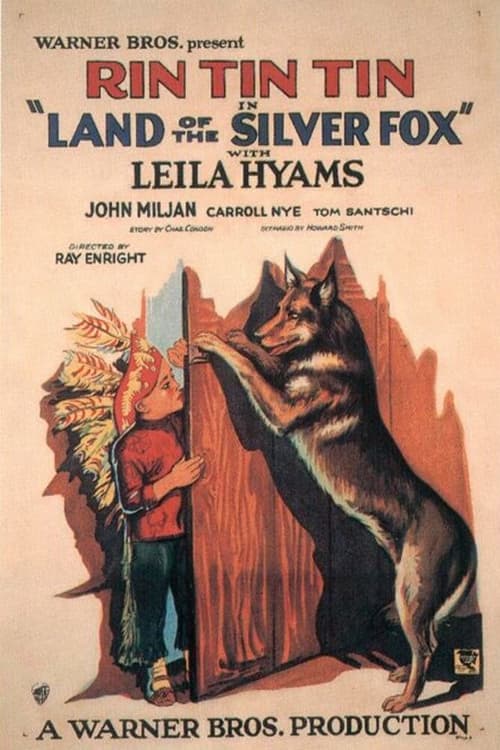
Land of the Silver Fox
1928
No user ratings available yet
Representation score: 4.2 out of 10
Representation Score
Minimal
1935
ApprovedDirector
Edward A. Kull, Thomas Storey
Runtime
62 minutes
Average Rating
No ratings yetNew Showbiz Analysis
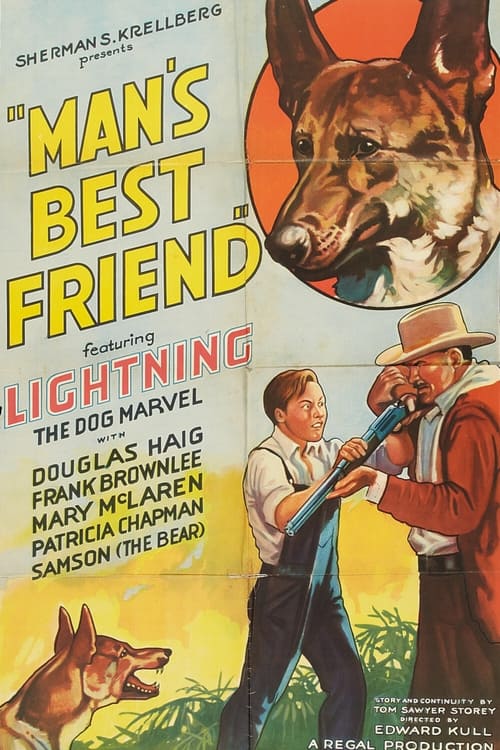
Man's Best Friend is a typical 1930s adventure film that follows conventional storytelling structures. The plot centers on the relationship between a boy named Jed and his dog, Lightning, set against a backdrop of domestic conflict. The film lacks complexity, adhering to the rigid norms of its time. While it explores the tension between a boy and his abusive father, it does so through a narrow, masculine lens without addressing broader social or systemic issues. Overall, the film operates as a traditional melodrama, offering no significant representation for underrepresented identities or diverse cultural perspectives.
Category Breakdown
The film does not include any LGBTQ+ characters or non-straight identities. The story revolves around a boy and his dog, following a traditional, heterosexual framework.
The narrative centers on a boy's struggle for independence from his abusive father, focusing on masculine themes. Female characters have limited roles and there is no challenge to traditional gender roles.
The film appears to depict a homogeneous, Anglo-Saxon community. There is no indication of racial diversity or multicultural casting.
Themes of family dysfunction and authority are explored through personal drama. The film does not address broader critiques of Western institutions or cultural structures.
There are no characters with physical or neurodivergent disabilities in the film.
Present on Screen
Limited or Absent
Official Synopsis
Jed and his dog Lightning contend with the boy's abusive father.
1928
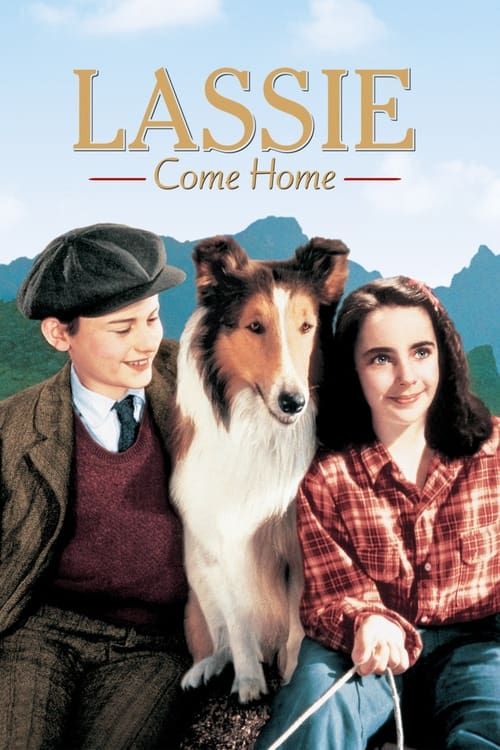
1943
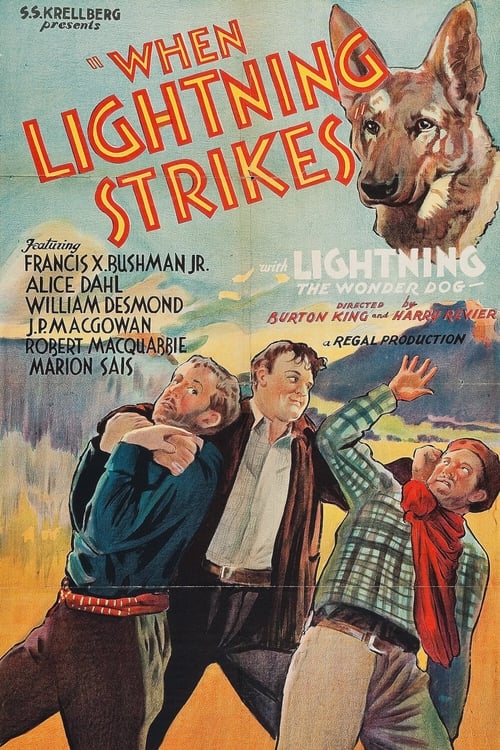
1934
1963

1958
1991
1930
1957
No reviews yet. Be the first to share your thoughts on this movie!
Use the rating form above to leave a star rating and optional review.