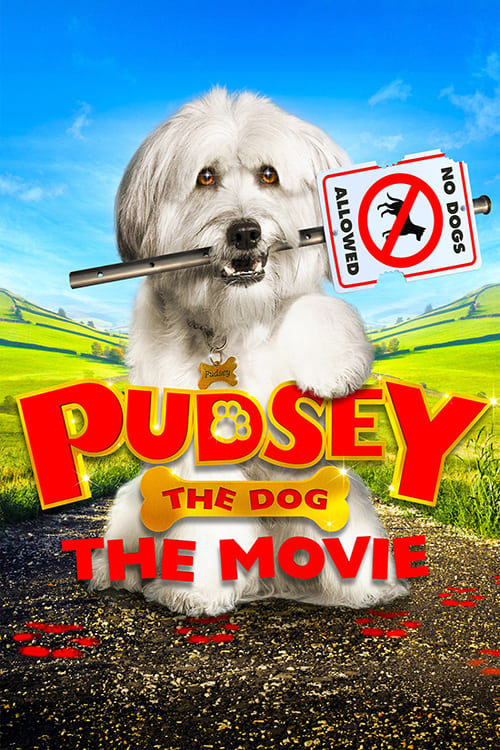
Pudsey the Dog: The Movie
2014
No user ratings available yet
Representation score: 1.9 out of 10
Representation Score
Minimal
1998
GDirector
Shuki Levy
Runtime
90 minutes
Average Rating
No ratings yetNew Showbiz Analysis
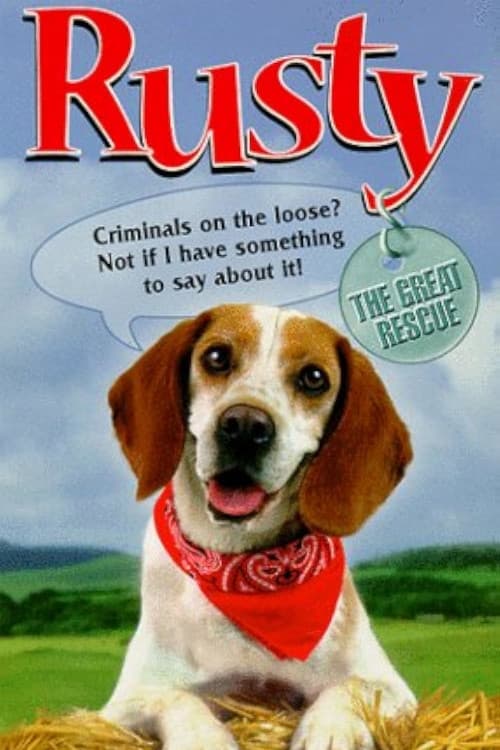
Rusty: A Dog's Tale is a conventional family adventure that relies heavily on established formulas. The plot follows a standard hero's journey where a dog protects vulnerable puppies from greedy relatives, prioritizing traditional moral binaries over complex character development. The film operates within a very narrow social framework. It focuses on a homogeneous Western family structure and lacks any meaningful representation of LGBTQ+ identities, diverse racial backgrounds, or neurodivergent experiences. Ultimately, the movie functions as straightforward children's entertainment. It reinforces existing social hierarchies and traditional domestic structures rather than offering any progressive or subversive perspectives.
Category Breakdown
The film focuses on a traditional family unit consisting of orphans, grandparents, and cousins. It does not include any representation of non-straight identities or stories that challenge the assumption that everyone is straight or cisgender.
Female characters like Tess and Bertha are present, but they seem to fit within typical character roles. The plot centers on familial greed without delving into gender hierarchies.
The story follows a homogeneous, traditional Western family structure. There is no indication of a diverse cast or the use of diverse species as racial metaphors.
The narrative relies on classic adventure clichés and moral binaries regarding property and family stability. It lacks secular themes or critiques of Western institutions.
The film features orphans, but there is no evidence regarding the portrayal of physical, neurodivergent, or mental health disabilities.
Present on Screen
Limited or Absent
Official Synopsis
Two orphans named Jory and Tess live with their grandparents. However, their cousins Bart and Bertha try to take them away because the two kids have trust funds from their dead parents. When Bart and Bertha kidnap the newborn puppies, Rusty the dog decides to save them.
2014
1963
1991
2005

1997

2018
1995

1993
No reviews yet. Be the first to share your thoughts on this movie!
Use the rating form above to leave a star rating and optional review.