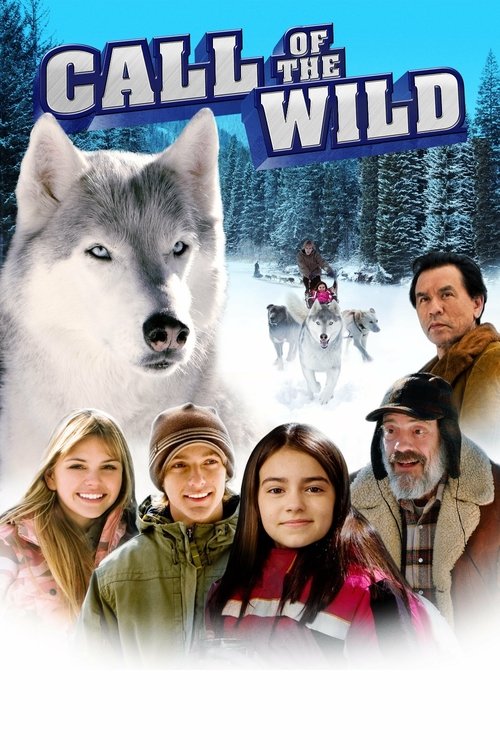
Call of the Wild
2009
No user ratings available yet
Diversity score: 3.3 out of 10
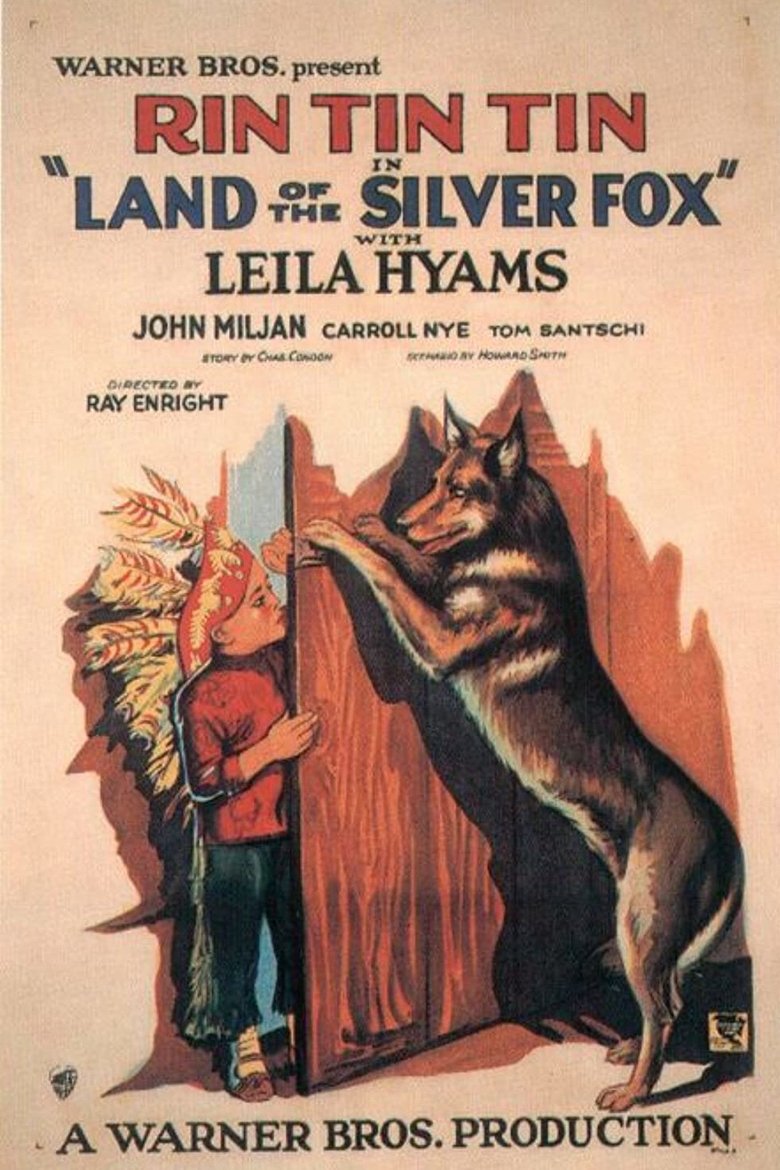
1928
PassedDirector
Ray Enright
Runtime
58 minutes
Average Rating
No ratings yetSynopsis
Rin-Tin-Tin's first sound feature, in which he plays an abused dog recused by a young girl in the far north.
Overall Score
Limited
Category Breakdown
LGBTQ+ Representation
The film lacks LGBTQ+ characters or non-heteronormative narratives. It adheres to the conventional social structures typical of 1928 adventure cinema.
Gender Representation
A young girl provides emotional leadership by rescuing an abused animal. However, her role remains rooted in traditional tropes of innocence and nurturance.
Racial & Ethnic Diversity
Set in the far north, the film does not confirm the presence of indigenous populations or characters of color with high agency. It reflects the homogeneous casting of its era.
Religious & Cultural Diversity
The narrative follows a standard adventure arc centered on traditional morality. It lacks anti-Western or secularist themes, focusing instead on the protection of the vulnerable.
Disability Representation
The central plot involves an abused dog used to elicit pathos. There is no evidence of human disability or neurodivergent representation that challenges traditional tropes.
Strengths
Areas for Improvement
AI Analysis
Land of the Silver Fox is a quintessential product of late 1920s adventure cinema. It prioritizes traditional storytelling and moral clarity over social complexity or narrative subversion. The film relies on established genre tropes, such as the rescue of a vulnerable animal, to drive its emotional arc. While this provides a central focus, it does not expand the scope of representation beyond the era's standard norms. Ultimately, the work functions as a straightforward survival tale. It lacks the intersectional depth or diverse character agency required to disrupt the cinematic status quo of its time.
2009

1949
1994
1958
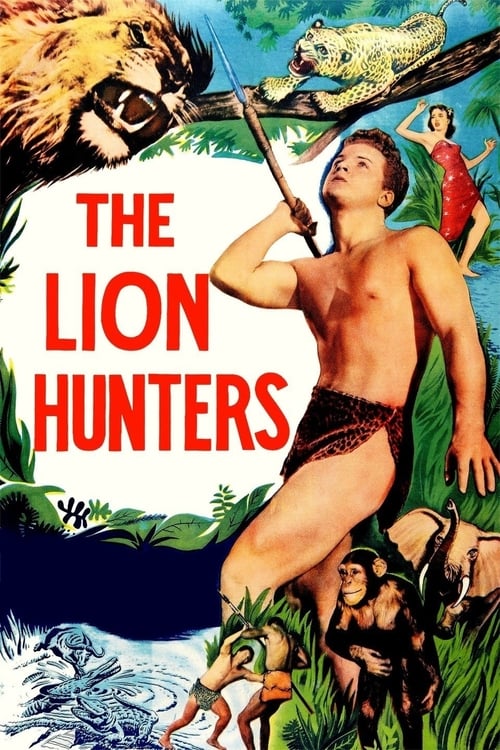
1951
1921
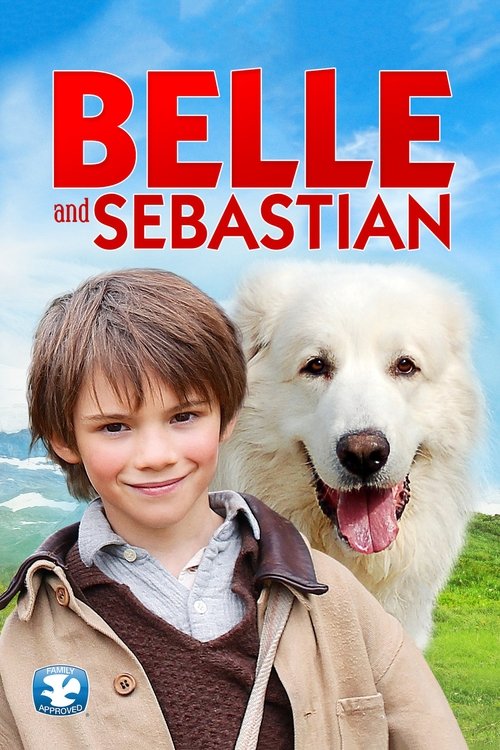
2013
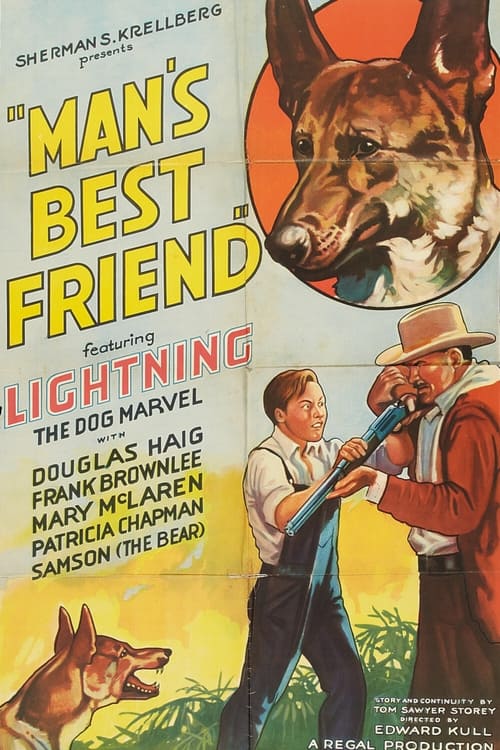
1935
1928
1930
1947

1958
No reviews yet. Be the first to share your thoughts on this movie!
Use the rating form above to leave a star rating and optional review.