
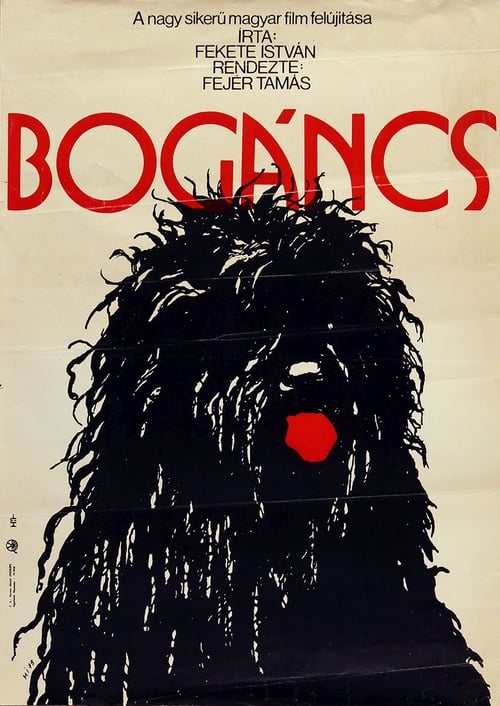
The Littlest Hobo
1958
No user ratings available yet
Representation score: 0.4 out of 10
Representation Score
Fair
1958
K-8Director
Tamas Fejer
Runtime
80 minutes
Average Rating
No ratings yetNew Showbiz Analysis
Bogáncs is a mid-century adventure film that emphasizes character disillusionment over traditional heroic narratives. By focusing on personal melancholy, it avoids some state-sanctioned optimistic clichés. However, the film remains narrowly focused. The primary limitation of the film is its lack of diverse representation. The cast is predominantly male and appears ethnically homogeneous, reflecting the production constraints of 1958 Eastern European cinema. The film's strength lies in its potential for subjective, emotional storytelling rather than rigid moral frameworks, despite the absence of explicit diversity in its character lineup.
Category Breakdown
The film does not include any LGBTQ+ characters or stories about non-cisgender identities. The main focus is on the relationship between a man, his dog, and an aging performer.
The story centers around male characters, particularly Máté Galamb and Dodó. There are no female characters or diverse gender roles mentioned.
The film features a cast that appears ethnically homogeneous, typical of mid-century European cinema. There is no indication of a multi-ethnic cast or challenging ethnic hierarchies.
The film offers some progressive potential by focusing on disillusionment rather than the usual optimistic or patriotic themes of the time.
Dodó, an aging acrobat, may explore themes of physical decline or loss of former abilities. However, it is unclear if this portrayal provides ability to act to the character or merely serves as a plot device.
Present on Screen
Limited or Absent
Official Synopsis
One day, Máté Galamb loses his faithful dog, Bogáncs, of the Puli breed. The runaway dog is found in the woods by the old, disillusioned acrobat, Dodó.
1958
1963
2015

2018

1979
1943

2020

2013
No reviews yet. Be the first to share your thoughts on this movie!
Use the rating form above to leave a star rating and optional review.