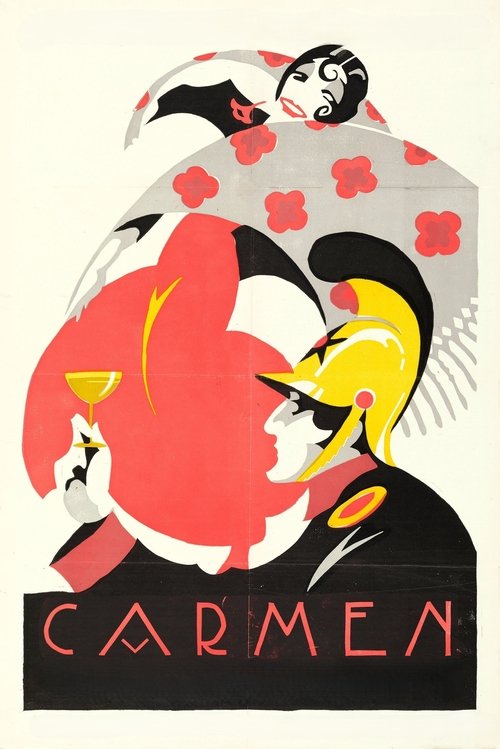
Carmen
1918
No user ratings available yet
Representation score: 3.4 out of 10
Representation Score
Limited
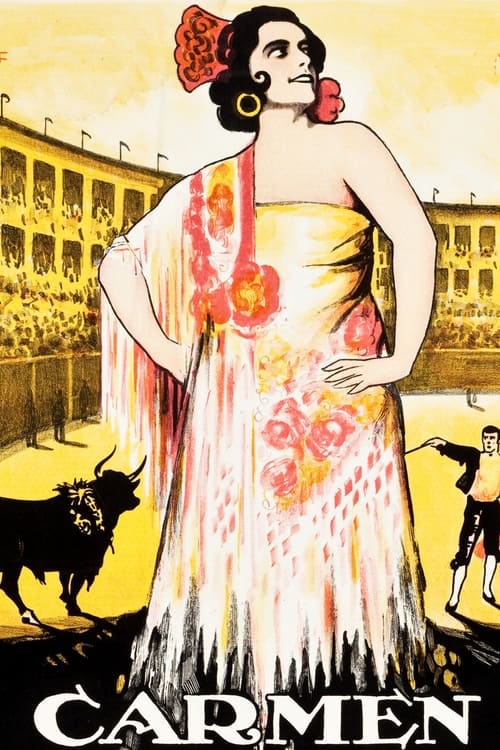
1915
NRDirector
Cecil B. DeMille
Runtime
59 minutes
Average Rating
No ratings yetNew Showbiz Analysis
The film presents a complex portrait of ability to act and social transgression. Carmen serves as a powerful catalyst, driving the plot through her refusal to conform to domestic or legal expectations. This provides a notable disruption of conventional gender roles. However, the film remains tied to a classical tragic framework. While it explores life outside state-sanctioned morality, the conclusion reinforces the idea that deviating from social order leads to destruction. This moralizing tone limits the depth of its cultural exploration. Additionally, the depiction of ethnic identity functions primarily as a dramatic foil. The contrast between the Romani and the military serves to highlight social friction rather than providing a nuanced look at the overlapping aspects of identity.
Category Breakdown
The story focuses on a heterosexual romantic triangle. There are no representations of non-straight or non-cisgender identities or same-sex relationships.
Carmen disrupts traditional gender roles by acting as a primary agent of chaos. She uses her autonomy to challenge male authority and societal norms.
The film highlights Romani and Spanish identities to create a sense of otherness. It contrasts nomadic lifestyles with rigid military structures.
The narrative explores the tension between institutional law and personal passion. It depicts the breakdown of traditional Western institutions through moral relativism.
No visible or invisible disabilities are central to the characters or the narrative development.
Present on Screen
Limited or Absent
Official Synopsis
Hot-blooded gypsy Carmen attempts to seduce Don Jose, a lawman sent to thwart a gang of illegal smugglers in Spain. Carmen's plan backfires when Don Jose's passion for the gypsy girl escalates into a jealous rage as she spurns him for her bullfighter beau, Escamillo, with tragic results.
1918

1930
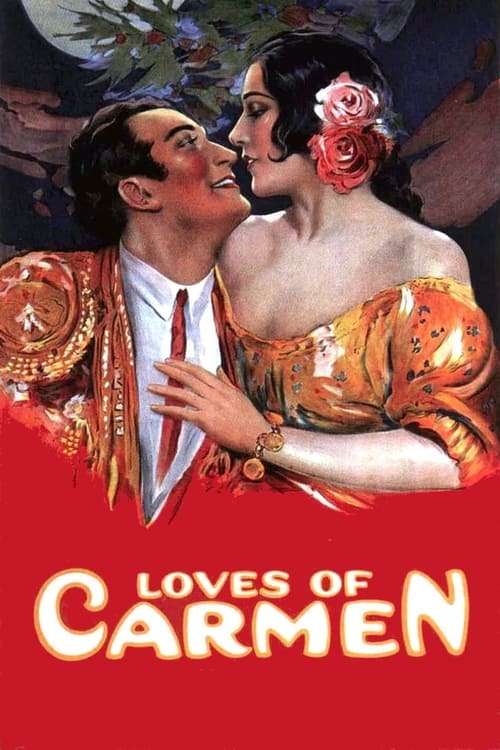
1927

1929

2003
1922
1938
1920
No reviews yet. Be the first to share your thoughts on this movie!
Use the rating form above to leave a star rating and optional review.