Miyori's Forest
2009
No user ratings available yet
Representation score: 5.2 out of 10
Representation Score
Good
2023
PG-13Director
Hayao Miyazaki
Runtime
124 minutes
Average Rating
No ratings yetNew Showbiz Analysis
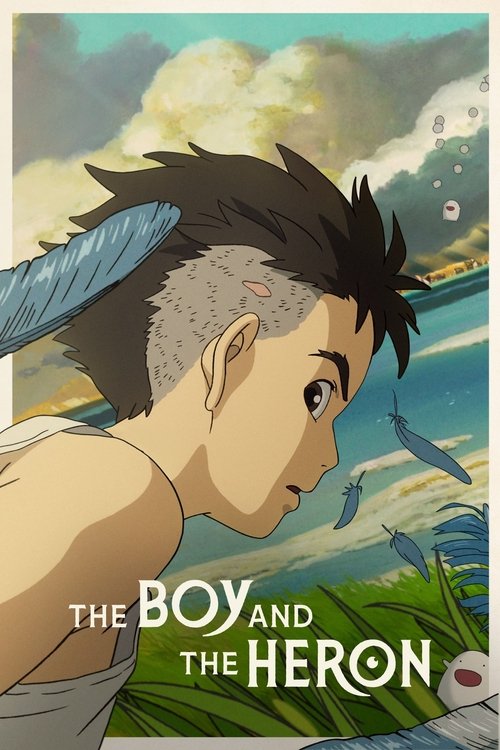
Hayao Miyazaki's latest work is a sophisticated exploration of identity and authority. It succeeds by challenging traditional gender roles and providing a profound critique of systemic power through a surreal lens. The film's strength lies in its psychological depth, particularly regarding grief and the fragmentation of the self. It moves beyond simple demographic checklists to offer a nuanced, culturally specific experience. While the film lacks explicit LGBTQ+ representation and visible physical disabilities, its refusal to adopt a Western-centric worldview provides a necessary departure from standard global animation norms.
Category Breakdown
The story focuses on Mahito's psychological journey and the restoration of family bonds. It does not include explicit representations of LGBTQ+ identities or non-straight relationships.
Female characters such as Kiriko and Natsuko show a significant role in driving the story and independence. The film passes the Bechdel test, using conversations between women to explore themes of motherhood and survival.
Set during wartime Japan, the film presents a non-Western perspective. Although the cast is ethnically uniform, it avoids a Eurocentric viewpoint in its magical elements.
The narrative critiques traditional institutions and the stability of the nuclear family. It employs anti-war sentiments to challenge the destructive impact of nationalism.
The film highlights psychological trauma and grief as central experiences for the protagonist. However, it does not represent visible or neurodivergent physical disabilities.
Present on Screen
Limited or Absent
Official Synopsis
While the Second World War rages, the teenage Mahito, haunted by his mother's tragic death, is relocated from Tokyo to the serene rural home of his new stepmother Natsuko, a woman who bears a striking resemblance to the boy's mother. As he tries to adjust, this strange new world grows even stranger following the appearance of a persistent gray heron, who perplexes and bedevils Mahito, dubbing him the "long-awaited one."
2009
2012
2022
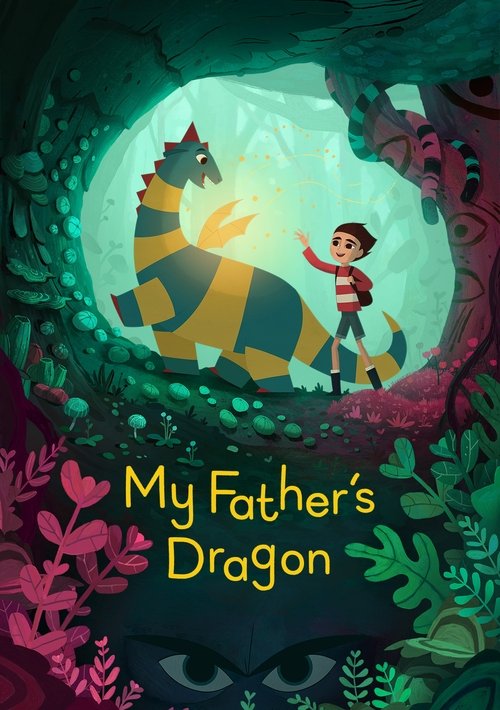
2022
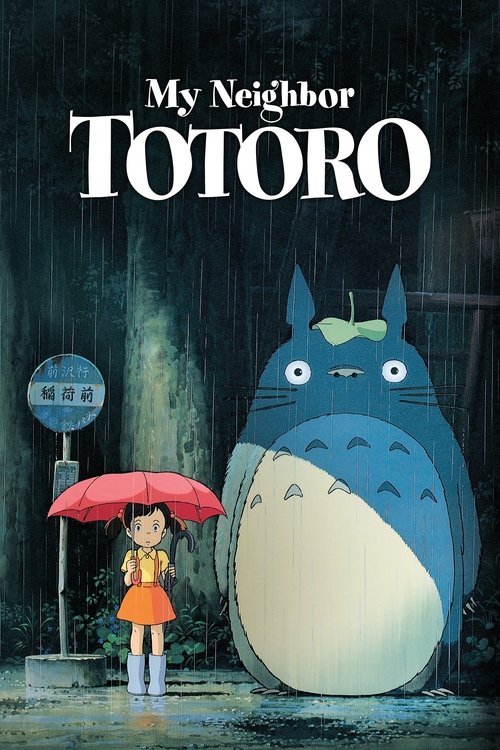
1988
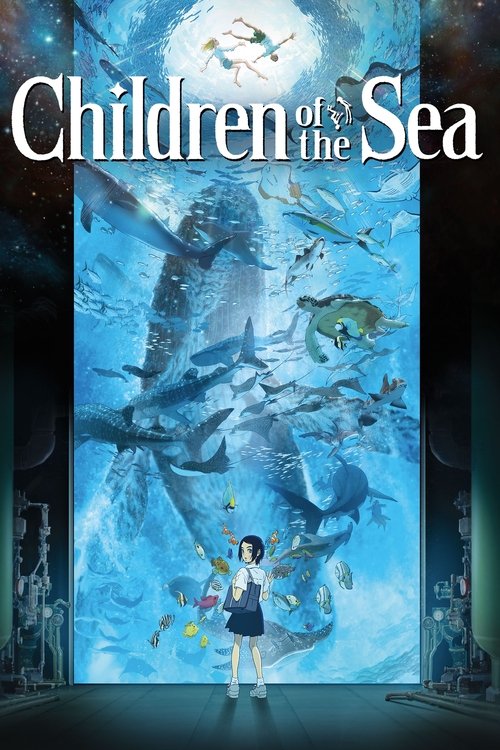
2019
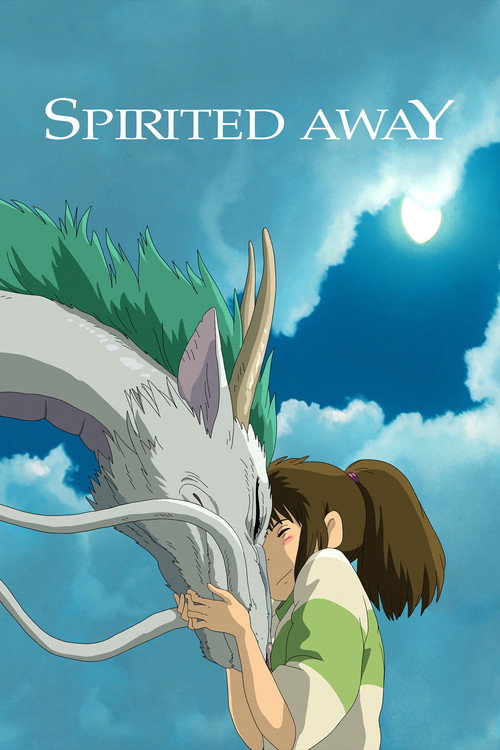
2001
2020
No reviews yet. Be the first to share your thoughts on this movie!
Use the rating form above to leave a star rating and optional review.